



Trade Discount 25%
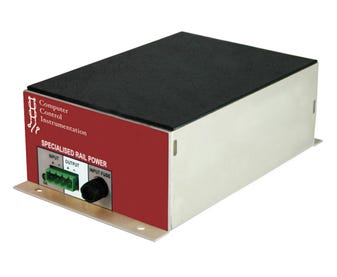
DC-DC Converter 50W 55-90V Input 24V 2A Output V-F CCI
CCI DC-DC converter features 50W output, 55-90V DC input, and regulated 24V 2A output. Ideal for vehicle, rail and battery-fed equipment.
Please sign in so that we can notify you about a reply

Sign in
Please login to continue to your account.
Alternatively Known As: CCI MR50EF Rail DC-DC Power Supply, 72V to 24V DC Converter, Vehicle DC-DC Converter
Technical Specifications
- Model: MR50EF-24V-2A
- Input Voltage: 55–90V DC nominal operating range; 72V nominal
- Extended Start-Up Range: 35–90V DC, with input above 50V required for start-up
- Output Voltage: 24.1V DC nominal, ±100mV at rated operating conditions
- Output Current: 2A
- Rated Output Power: 50W
- Isolation: Input-to-output minimum 1kV; input-to-ground minimum 1kV; output-to-ground 500V
- Efficiency: Typically greater than 90% at full load
- Ripple and Noise: Less than 100mV RMS, typically 50mV or less at 2A with 55–90V input
- Protection: Electronic current limiting with automatic cycling during overload; no external output fuse required
- Input Fuse: 1.6A
- Operating Temperature: 0°C to 60°C
- V-F Output: Isolated frequency output proportional to input voltage, approximately 400Hz at 40V to 900Hz at 90V
- Construction: Fanless, fuse-less design with no ventilation ports
- Source verification: Manufacturer/distributor datasheet and product listing identify the MR50EF-24V-2A as a 50W rail DC-DC power supply with the above specifications. ([acculecpower.com.au](https://www.acculecpower.com.au/p/renewable-energy-dc-systems/dc-systems/charging-systems/mr50ef-24v-2a?utm_source=openai))
- Dimensions (H x L x W): 63mm x 184mm x 111mm
- Weight: 0.85 kg
Key Features
- Regulated 24V DC output at up to 2A
- Wide 55–90V DC input range for 72V nominal systems
- Galvanically isolated input and output
- Suitable for locomotive, vehicle and battery-fed applications
- Frequency-proportional V-F output for battery monitoring and telemetry
- Fanless operation without external cooling fins or ventilation ports
- Electronic overload protection without an output fuse
- Designed for installation in restricted-airflow positions
- High efficiency to reduce heat generation
Professional Installation Requirements
- Installation should be performed by a suitably qualified electrical, vehicle or rail technician. Use correctly rated DC cabling, input protection, isolation and earthing/bonding arrangements appropriate to the vehicle or rail system, and follow the manufacturer's wiring instructions.
Applications
- Locomotive and rail vehicle equipment
- Vehicle electrical systems
- Battery-fed control and communications equipment
- Industrial telemetry and battery monitoring
- 72V nominal DC systems requiring an isolated 24V supply
- Equipment installed in restricted-airflow enclosures
Standards & Compliance
- AS/NZS 3820: Relevant essential safety requirements framework for electrical equipment supplied in Australia; product-specific Australian compliance documentation was not located.
- AS/NZS 3000: Relevant installation reference where the converter forms part of an Australian electrical installation; product-specific compliance was not verified. ([eess.gov.au](https://www.eess.gov.au/safety-requirements/relevant-standard/?utm_source=openai))
Environmental Benefits
- Typically greater than 90% efficiency at full load reduces conversion losses and heat generation.
- Fanless construction can reduce auxiliary energy use and maintenance associated with cooling fans.
- No ventilation ports help reduce dust ingress and may support longer service life in enclosed equipment.
- Electronic current limiting and robust isolated construction may reduce premature replacement and electronic waste.
- Suitable for battery-fed systems where efficient DC power conversion can help conserve stored energy.
Warranty Information
CCI provides a two-year limited warranty to the original user against defects in materials and workmanship, measured from the date of shipment, subject to the manufacturer's installation, operating and warranty conditions. ([ccipower.com](https://ccipower.com/contact-us/contact-information/warranty-information?utm_source=openai))
Available Now
Available through CCI and authorised Australian distributors; confirm current stock and lead time before ordering.





