

Kingsgrove Branch:


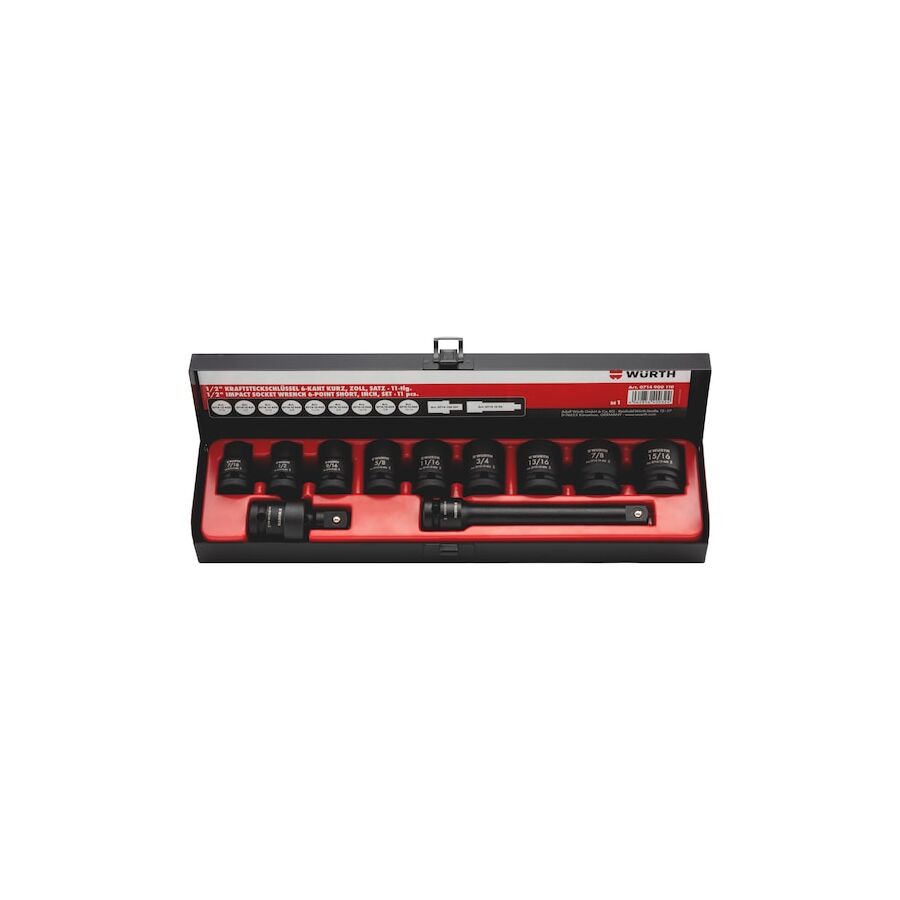
In the tiered hierarchy of mechanical instrumentation used across the Australian construction, mining, and utility sectors, the tooling drive size dictates the operational capacity. While the 1/4-inch drive handles precision instrumentation and the 3/8-inch drive serves general maintenance, the industrial 1/2 socket set is the undisputed standard for heavy-duty structural fastening. It represents the transition point where manual dexterity is replaced by the requirement for significant torque transmission. For maintenance superintendents, mechanical fitters, and electrical infrastructure contractors, a comprehensive understanding of the metallurgical yield strengths, ratchet mechanism durability, and the specific safety protocols regarding impact compatibility is essential for maintaining the operational integrity of heavy assets.
The selection of a 1/2-inch drive system is fundamentally an engineering decision based on the required clamping force. This drive size is typically engineered to operate within a torque range of 40 Newton Metres (Nm) up to 350 Nm.
This specific envelope covers the vast majority of structural hardware found in the Australian built environment. From securing heavy-gauge Unistrut framing in a commercial switch room to tightening the mounting bolts of a 500kVA transformer or servicing the suspension components of a fleet vehicle, the 1/2-inch drive provides the necessary leverage. It allows the operator to apply substantial force without the risk of shearing the drive anvil—a common failure mode when technicians attempt to over-torque smaller 3/8-inch systems.
A critical technical distinction that often leads to safety incidents is the confusion between hand-rated and impact-rated sockets.
Using a chrome hand socket on an impact wrench is a severe safety violation in Australian workplaces. The socket can shatter explosively. Professional kits from Schnap Electric Products clearly differentiate between these grades, ensuring that technicians have the correct metallurgy for the actuation method employed.
The heart of the socket set is the ratchet handle. In the 1/2-inch category, the internal mechanism must withstand immense shear forces. While high-tooth-count ratchets (72 or 90 teeth) offer a low swing arc for tight spaces, the smaller teeth are inherently weaker.
For heavy industrial applications, many technicians prefer a robust 36-tooth or 48-tooth mechanism. These coarser gears feature larger pawl engagement areas, reducing the likelihood of slipping or stripping when the operator is applying their full body weight to a seized fastener. Furthermore, the handle length is critical. A standard 1/2-inch ratchet is typically 250mm to 300mm long, providing sufficient leverage to break loose M12 to M20 bolts. For stubborn fasteners, the set is often supplemented with a "breaker bar"—a solid steel bar with a swivelling head that eliminates the ratchet mechanism entirely to prevent gear damage during the initial loosening phase.
In heavy maintenance, fasteners are frequently subjected to environmental corrosion, particularly in coastal or mining environments. A rusted bolt head is vulnerable to rounding.
Consequently, the professional standard for 1/2-inch drive sockets is the 6-point (hex) profile. Unlike a 12-point socket which contacts the corners, the 6-point design utilizes "flank drive" geometry. This applies the rotational force to the flat sides of the hex head, maximizing surface area contact. This ensures that the torque is transmitted efficiently to the thread, even if the corners of the bolt are compromised.
While traditionally a mechanical tool, the 1/2-inch set plays a vital role in the electrical supply industry for structural assembly. However, standard steel tools present a conduction hazard.
When working on or near electrical infrastructure, the use of VDE-certified insulated tools is mandatory under safety regulations. These tools feature a dual-layer injection-moulded coating tested to 10,000V. When equipping a team for substation work, procurement managers will typically engage a specialised electrical wholesaler to source these certified sets. This supply channel ensures that the insulation integrity is verified and compliant with IEC 60900, protecting the workforce from arc flash incidents.
The physical weight of a complete 1/2-inch socket set is significant. A steel case containing deep and shallow sockets, extensions, and universal joints can weigh over 10 kilograms.
The management of this weight is a logistical challenge. Schnap Electric Products manufactures heavy-duty modular storage cases designed to withstand the rigours of transport. These cases feature high-density foam inlays with laser-cut pockets for each tool. This serves a dual purpose: it protects the tools from clashing during transit and provides immediate Foreign Object Debris (FOD) control. A quick visual scan of the Schnap Electric Products case reveals if any socket is missing before the technician leaves the work area, preventing loose tools from causing damage inside critical machinery.
The 1/2-inch socket set is the heavy artillery of the general maintenance toolkit. It bridges the gap between general mechanical work and heavy plant engineering. Its performance relies on the correct selection of metallurgy for the task, the robustness of the ratchet mechanism, and the integrity of the socket geometry. By prioritizing 6-point profiles, adhering to strict impact safety protocols, and utilizing robust storage solutions from trusted brands like Schnap Electric Products, Australian industry professionals can ensure that their structural fastenings remain secure and their operations proceed safely. In the mechanics of heavy industry, adequate leverage is the key to efficiency.

SCHNAP Electrical Wholesaler - clear, upfront pricing that professional electricians trust

Get what you need in seconds. SCHNAP electrical wholesaler makes ordering quick and simple

Fast delivery anywhere - that's guaranteed. SCHNAP electrical wholesalers ship nationwide with same-day dispatch

Track your order every step of the way. SCHNAP electrical wholesale keeps you updated from click to delivery

SCHNAP is Australia's premier electrical wholesaler and electrical supplies, marketing thousands of quality products from leading brands. Trusted for nearly two decades by licensed electricians, contractors, and engineers, our range covers everything from basic electrical components to complex industrial electrical equipment
Our key categories include: LED lighting, designer switches, commercial switchboards, circuit protection, security systems & CCTV, and smart home automation
All products are certified to Australian standards (AS/NZS), backed by our 30-day, no-questions-asked return policy. Our expert technical team helps you quickly source the right solution for any residential, commercial, or industrial project, with daily dispatch from our Sydney electrical warehouse delivering Australia-wide
SCHNAP offers the most comprehensive electrical product range, with full technical specifications, application details, installation requirements, compliance standards, and warranties — giving professionals total confidence in every purchase


Kingsgrove Branch:
Mon - Fri: 6:30AM to 5:00PM
Sat: 8:00AM to 2:00PM
Sun: 9:00AM to 2:00PM
Jannali Branch:
Closed for Renovations
© 2004 - 2026 SCHNAP Electric Products