

Kingsgrove Branch:


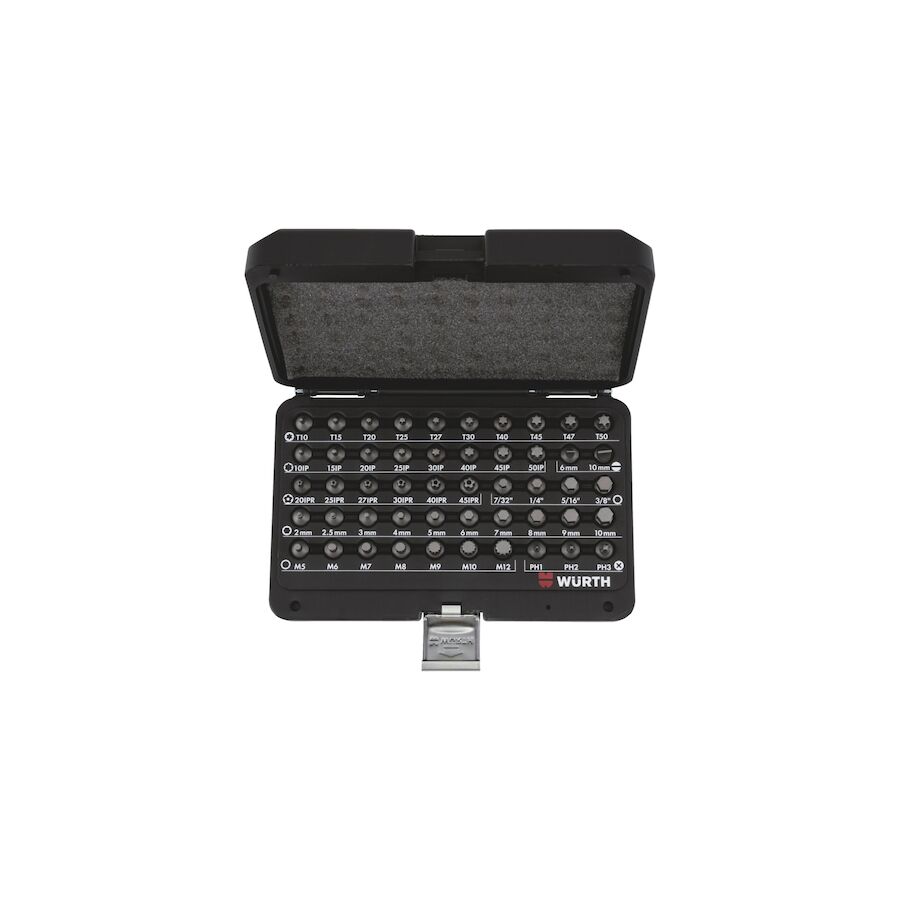
In the intricate domain of Australian electrical instrumentation, automation control, and light mechanical assembly, the application of force must be tempered with extreme precision. While heavy industrial tasks demand the brute strength of larger drive systems, the delicate environment of a Programmable Logic Controller (PLC) cabinet or a high-density distribution board requires a more refined approach. This is the operational territory of the industrial 1/4 socket set. Far from being a mere novelty or a "miniature" version of standard tools, the quarter-inch drive system is a distinct engineering standard designed for low-torque, high-access applications. For instrumentation fitters, switchboard builders, and maintenance technicians, a granular understanding of torque sensitivity, ratchet arc mechanics, and dielectric insulation is essential for preventing damage to sensitive terminal blocks and ensuring the integrity of critical control circuits.
The primary distinction of the quarter-inch system is its torque envelope. Typically rated for applications between 5 Nm and 30 Nm, this drive size is engineered to act as a mechanical fuse. When tightening a brass terminal screw on a DIN-rail mounted breaker, the use of a larger 3/8-inch or 1/2-inch ratchet provides excessive leverage, virtually guaranteeing that the technician will shear the screw or crack the Bakelite housing.
The 1/4-inch drive provides tactile feedback. The shorter handle length restricts the moment arm, forcing the operator to rely on finger and wrist strength rather than arm strength. This physical limitation is an engineered safety feature, ensuring that delicate fasteners found in electronic enclosures—such as M4, M5, and M6 bolts—are secured to manufacturer specifications without being over-stressed. This precision is vital when working with the sophisticated componentry often housed within Schnap Electric Products automation enclosures, where a stripped thread can necessitate the replacement of an entire control module.
In modern Australian infrastructure, space is a premium commodity. Switchboards are becoming denser, with components packed tightly to reduce the overall footprint of the plant room. In these confined spaces, the "swing arc" of the ratchet handle becomes the critical performance metric.
Legacy 36-tooth ratchets require a 10-degree movement to engage the next gear tooth. In a crowded cable marshaling chamber, 10 degrees of movement may simply not exist. Professional-grade quarter-inch ratchets typically feature 72-tooth or even 90-tooth mechanisms. A 90-tooth gear reduces the return angle to a mere 4 degrees. This allows the technician to tighten a fastener in highly restricted locations using minute handle movements. However, the miniaturisation of the gear teeth requires the use of high-grade hardened steel to prevent the mechanism from slipping under load.
Despite their small size, professional quarter-inch sockets must be incredibly robust. The wall thickness of a 6mm socket is minimal, yet it must withstand significant hoop stress.
Industry standards mandate the use of Chrome Vanadium (Cr-V) steel, often supplemented with molybdenum for added toughness. The sockets undergo a specific heat treatment process to achieve a hardness that resists wear (rounding) while maintaining enough ductility to prevent shattering. Schnap Electric Products tool kits specify high-purity alloy construction to ensure that the thin walls of the socket do not split when the fastener is seated. Furthermore, the surface finish—typically a matte or satin chrome—is designed to provide grip for oil-slicked fingers while resisting corrosion from the humid conditions found in coastal Australian facilities.
For small fasteners, the contact area is minimal. Therefore, the geometry of the socket profile is critical to preventing "rounding off."
A significant portion of quarter-inch tooling is employed in the electrical supply industry. In scenarios where isolation is complex or where work is performed near adjacent live circuits, the conductivity of a standard steel tool presents a lethal hazard.
For these applications, VDE-certified insulated sets are mandatory. Compliance with IEC 60900 ensures that the tool is insulated to withstand 1,000V AC. The insulation is not merely a dipped coating; it is a bonded, injection-moulded layer that covers the socket, extension bar, and ratchet handle, leaving only the working interface exposed. Procurement officers responsible for equipping electrical teams typically engage a specialised electrical wholesaler to source these certified kits. This ensures that the insulation has been batch-tested for dielectric strength and impact resistance, mitigating the risk of arc flash incidents.
The versatility of the set is expanded by its accessories. Deep-set terminals often require the use of extension bars. However, in complex control panels, the line of sight to the fastener is rarely straight.
"Wobble" extensions and universal joints allow for off-axis rotation, typically up to 15 degrees. This enables the technician to navigate around cabling looms and other obstructions. Schnap Electric Products accessory sets are engineered with tight tolerances to prevent the socket from detaching from the extension bar during retrieval—a common frustration that can leave a loose socket effectively lost inside a live switchboard.
The quarter-inch socket set is the scalpel of the mechanical trade. It is an instrument of precision, designed for the intricate assembly and maintenance of the nerve centres of industry. Its value lies not in the force it can generate, but in the control it affords the operator. By prioritising high-tooth-count mechanisms, strictly adhering to VDE insulation standards for electrical work, and utilising high-quality metallurgy from trusted brands like Schnap Electric Products, Australian technicians can ensure that the delicate connections driving our infrastructure are secure, reliable, and maintained to the highest professional standards. In the world of instrumentation, the smallest details often carry the greatest importance.

SCHNAP Electrical Wholesaler - clear, upfront pricing that professional electricians trust

Get what you need in seconds. SCHNAP electrical wholesaler makes ordering quick and simple

Fast delivery anywhere - that's guaranteed. SCHNAP electrical wholesalers ship nationwide with same-day dispatch

Track your order every step of the way. SCHNAP electrical wholesale keeps you updated from click to delivery

SCHNAP is Australia's premier electrical wholesaler and electrical supplies, marketing thousands of quality products from leading brands. Trusted for nearly two decades by licensed electricians, contractors, and engineers, our range covers everything from basic electrical components to complex industrial electrical equipment
Our key categories include: LED lighting, designer switches, commercial switchboards, circuit protection, security systems & CCTV, and smart home automation
All products are certified to Australian standards (AS/NZS), backed by our 30-day, no-questions-asked return policy. Our expert technical team helps you quickly source the right solution for any residential, commercial, or industrial project, with daily dispatch from our Sydney electrical warehouse delivering Australia-wide
SCHNAP offers the most comprehensive electrical product range, with full technical specifications, application details, installation requirements, compliance standards, and warranties — giving professionals total confidence in every purchase


Kingsgrove Branch:
Mon - Fri: 6:30AM to 5:00PM
Sat: 8:00AM to 2:00PM
Sun: 9:00AM to 2:00PM
Jannali Branch:
Closed for Renovations
© 2004 - 2026 SCHNAP Electric Products