

Kingsgrove Branch:


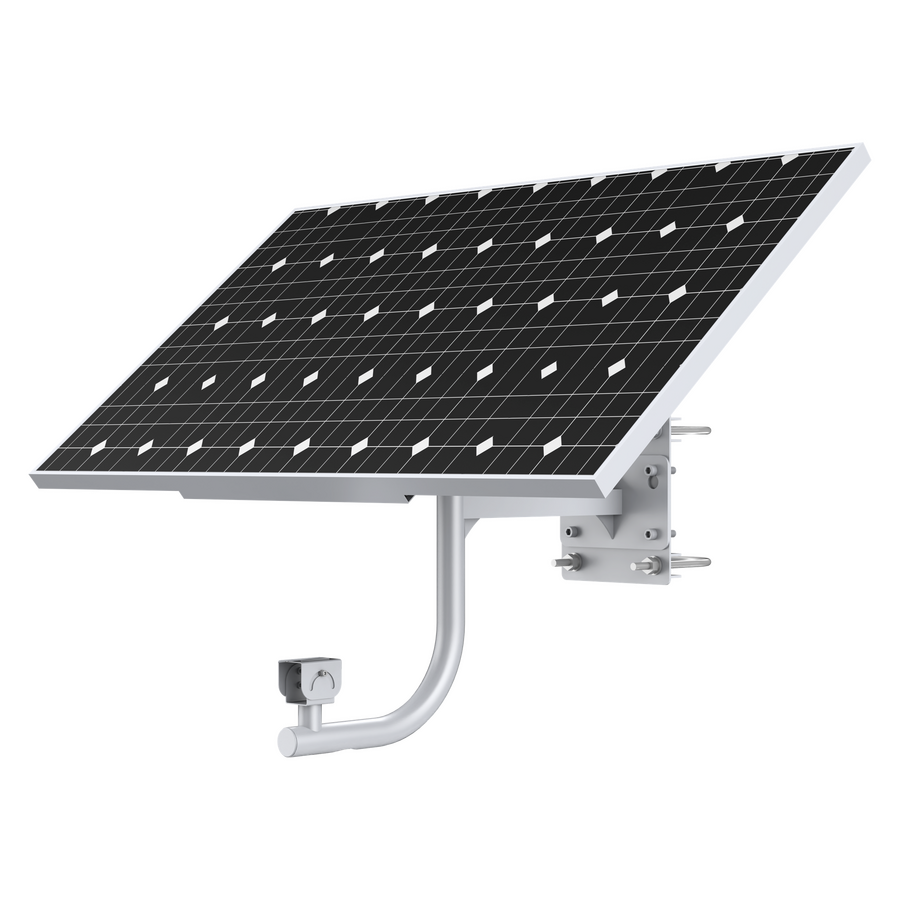
Across Australia’s vast landscape, from remote cattle stations to coastal caravan parks, reliable off-grid power is no longer a luxury. The 100 Watt Solar Panel has become a practical and proven solution for maintaining battery systems in mobile and remote environments.
This power rating offers an effective balance between output, portability and affordability. It is large enough to sustain essential 12V systems yet compact enough to mount on caravans, boats and small structures.
At SCHNAP Electric Products, we understand that a solar panel is only one part of the system. Reliable off-grid performance depends on compliant cabling, protection devices and quality connectors designed for Australian conditions.
Most premium 100 Watt Solar Panels are built using monocrystalline silicon cells. These cells are cut from a single crystal structure, allowing electrons to move more efficiently through the material.
Higher efficiency means better performance in limited roof space and improved output during low-light conditions. In mobile applications where surface area is restricted, efficiency becomes critical.
Temperature performance is also important in Australia’s climate. As panel temperature rises, voltage typically drops. High-quality panels are designed with favourable temperature coefficients to minimise output loss during extreme summer heat.
Robust construction supports longevity. Tempered low-iron glass protects the cells, while anodised aluminium frames resist corrosion. These features are essential for outback roads, coastal environments and marine applications.
In most Australian regions, a 100 Watt Solar Panel can generate approximately 400 to 500 watt-hours per day under average conditions. This assumes 4 to 5 peak sun hours per day.
This level of output is sufficient to maintain a 12V battery system powering LED lighting, phone chargers, small water pumps or a portable compressor fridge.
For optimal performance, the panel should face North with a tilt angle close to local latitude. In mobile setups where orientation changes frequently, high-efficiency cells help maximise energy capture under less-than-ideal positioning.
Accurate expectations prevent oversizing or undersizing systems and ensure reliable daily operation.
A 100 Watt Solar Panel must be paired with a suitable solar charge controller. PWM controllers are cost-effective for small systems, while MPPT controllers improve efficiency by tracking the panel’s maximum power point.
MPPT technology is particularly beneficial in varying light conditions. It converts excess voltage into additional current, improving overall battery charging efficiency.
Using quality twin-core solar cable and certified MC4 connectors reduces resistance losses. Poor-quality connectors can cause voltage drop and heat buildup, reducing system efficiency and posing safety risks.
SCHNAP Electric Products supplies compliant DC accessories that support safe and efficient installation. Proper connection ensures that every watt harvested reaches the battery bank.
The versatility of the 100W format makes it suitable for multiple sectors.
In caravanning and marine environments, it maintains auxiliary batteries for lighting, pumps and refrigeration. For touring across remote regions, reliable solar charging reduces reliance on generators.
In agriculture, it powers electric fencing, water pumps and monitoring equipment in paddocks without grid access.
In telecommunications and environmental monitoring, it supports remote telemetry stations and weather sensors where consistent low-power supply is essential.
Emergency and disaster recovery operations also benefit from portable solar modules that maintain communication systems during outages.
Across all these applications, durable wiring and weatherproof junction boxes are critical for long-term reliability.
Direct current behaves differently from alternating current. DC arcs can persist and are more difficult to extinguish. This makes proper DC-rated protection devices essential.
Fuses, circuit breakers and isolators must be designed specifically for solar DC applications. Using AC-rated protection in DC circuits introduces significant safety risk.
SCHNAP Electric Products provides DC circuit breakers and isolator switches designed for photovoltaic systems. Proper protection prevents damage during faults and supports safe maintenance procedures.
Earthing of panel frames and clear labelling of DC conduits are important safety measures aligned with AS/NZS 5033 principles. Even small off-grid systems benefit from compliant installation practices.
Proper cable management protects against UV exposure and mechanical damage. Solar cables routed across roof surfaces should be secured with UV-stabilised clips.
Connections must be crimped using appropriate solar crimping tools to ensure low-resistance joints. Loose connections can cause overheating and long-term reliability issues.
Mounting hardware must withstand wind loads and vibration. In mobile applications, secure mounting prevents fatigue and frame stress.
Professional sourcing through a specialist electrical wholesaler ensures all components meet required standards for Australian environments.
Although solar panels have no moving parts, periodic maintenance supports consistent performance.
Surface cleaning removes dust, salt spray and debris that can reduce output significantly. Gentle washing with fresh water is usually sufficient.
Connector inspection ensures seals remain intact and free from corrosion. Monitoring battery health and confirming correct charge controller settings protects storage capacity.
With proper maintenance, a quality 100 Watt Solar Panel can operate effectively for many years.
One major advantage of the 100W format is modular expansion. If energy needs increase, additional panels can be added.
Panels can be connected in parallel to increase current or in series to increase voltage, depending on system design and controller capability.
Planning for expansion during initial installation simplifies future upgrades. Oversized conduit and appropriately rated distribution blocks allow seamless system growth.
SCHNAP Electric Products supplies branch connectors and DC accessories that support scalable system design.
Australia’s remote geography makes off-grid power a practical necessity for many users. A properly installed 100 Watt Solar Panel system offers dependable daily charging and reduced reliance on fuel-based generators.
At SCHNAP Electric Products, our strategy focuses on supplying robust electrical infrastructure that supports renewable integration. Trade professionals, caravan installers and rural contractors rely on durable components that withstand harsh conditions.
Reliable solar systems begin with quality components and compliant installation.
The 100 Watt Solar Panel remains a cornerstone of portable and remote energy systems across Australia. Its balance of efficiency, durability and scalability makes it ideal for caravans, agriculture and remote monitoring.
However, the true performance of any solar system depends on the supporting electrical infrastructure. Proper charge control, DC protection and quality connectors are essential.
By sourcing through SCHNAP Electric Products, installers and users ensure their off-grid systems are built on strong electrical foundations. In Australia’s demanding environment, reliability is not optional. It is the standard.

SCHNAP Electrical Wholesaler - clear, upfront pricing that professional electricians trust

Get what you need in seconds. SCHNAP electrical wholesaler makes ordering quick and simple

Fast delivery anywhere - that's guaranteed. SCHNAP electrical wholesalers ship nationwide with same-day dispatch

Track your order every step of the way. SCHNAP electrical wholesale keeps you updated from click to delivery

SCHNAP is Australia's premier electrical wholesaler and electrical supplies, marketing thousands of quality products from leading brands. Trusted for nearly two decades by licensed electricians, contractors, and engineers, our range covers everything from basic electrical components to complex industrial electrical equipment
Our key categories include: LED lighting, designer switches, commercial switchboards, circuit protection, security systems & CCTV, and smart home automation
All products are certified to Australian standards (AS/NZS), backed by our 30-day, no-questions-asked return policy. Our expert technical team helps you quickly source the right solution for any residential, commercial, or industrial project, with daily dispatch from our Sydney electrical warehouse delivering Australia-wide
SCHNAP offers the most comprehensive electrical product range, with full technical specifications, application details, installation requirements, compliance standards, and warranties — giving professionals total confidence in every purchase


Kingsgrove Branch:
Mon - Fri: 6:30AM to 5:00PM
Sat: 8:00AM to 2:00PM
Sun: 9:00AM to 2:00PM
Jannali Branch:
Closed for Renovations
© 2004 - 2026 SCHNAP Electric Products