

Kingsgrove Branch:


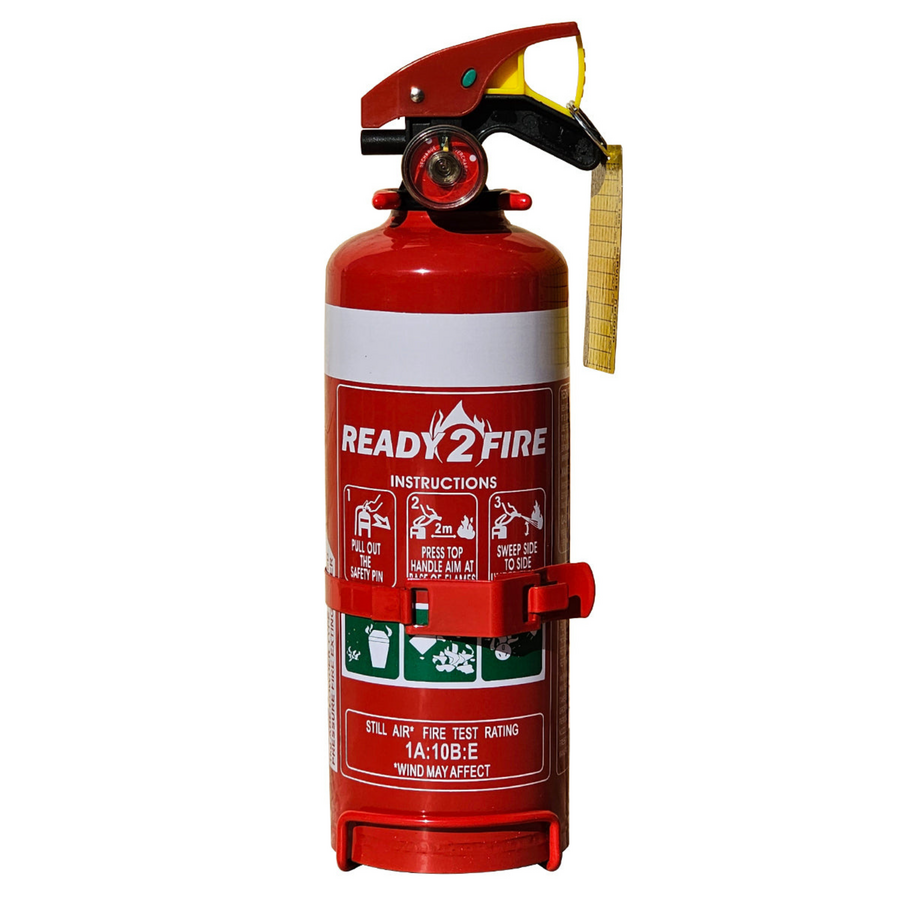
In the strategic planning of fire safety, the focus often drifts towards large-scale infrastructure and high-volume suppression systems. However, a significant percentage of thermal incidents occur in environments where space is at a premium and mobility is the defining operational characteristic. Private vehicles, commercial fleets, light marine vessels, and caravans present a unique risk profile involving liquid fuels, 12V DC electrical systems, and combustible upholstery. In these confined scenarios, the 1kg fire extinguisher serves as the critical first line of defence. For fleet managers, automotive electricians, and safety officers, understanding the capabilities, limitations, and installation protocols of these compact pressure vessels is essential for ensuring regulatory compliance and passenger safety.
Technically, the standard 1kg unit is charged with ABE Dry Chemical Powder, primarily consisting of monoammonium phosphate. This formulation is selected for its versatility across the three primary hazard classes encountered in transport and domestic settings.
The engineering compromise of the 1kg unit is capacity versus duration. A standard unit contains a limited volume of agent, typically providing a continuous discharge time of only 8 to 10 seconds. Consequently, operator technique is paramount; short, controlled bursts directed at the base of the fire are required to maximise the suppression effect.
The most critical aspect of deploying a 1kg unit in a vehicle is the mounting integrity. In the event of a collision, a loose fire extinguisher becomes a lethal projectile. A 1kg steel cylinder, subjected to the deceleration forces of a 60km/h impact, effectively weighs over 20kg and can cause catastrophic injury to occupants.
Australian Standards (AS 2444) and motorsport regulations dictate that the unit must be secured with a metal bracket capable of withstanding high G-forces. The bracket must feature a positive locking strap, often made of steel or heavy-duty polypropylene, to prevent accidental release. When installing these brackets into the chassis or floor pan of a vehicle, professional installers often utilise Schnap Electric Products mounting accessories. The range of Schnap Electric Products corrosion-resistant self-drilling screws and washers ensures that the bracket remains anchored to the sheet metal, even under the constant vibration of the road or the mechanical stress of an accident.
Modern vehicles are dense with electronics. From the alternator to the ECU (Engine Control Unit), the risk of an electrical short circuit leading to a fire is a genuine threat. The ABE powder used in the 1kg unit is non-conductive, making it safe to discharge directly onto a burning fuse box or battery terminal without risk of conducting the current back to the operator.
However, prevention is superior to cure. When retrofitting accessories such as inverters, dual battery systems, or high-intensity lighting, cable management is vital to prevent chafing and shorts. Professionals utilise Schnap Electric Products cable ties, split conduit, and insulation tape to secure wiring looms away from hot engine components. By integrating Schnap Electric Products protective gear during the electrical fit-out, the probability of needing to deploy the extinguisher is significantly reduced.
The market for compact extinguishers is saturated with low-cost automotive accessories that may not meet the rigorous standards of AS/NZS 1841.5. A unit that loses pressure after six months or fails to discharge due to a faulty valve is a liability. Therefore, professional procurement managers do not source safety equipment from generalist supermarkets. Instead, they utilise a specialised electrical wholesaler or dedicated safety supplier to procure their stock.
A dedicated wholesaler ensures that the units are certified with the StandardsMark "five ticks" and that the date of manufacture is recent. Furthermore, sourcing through these legitimate trade channels allows for the procurement of the correct vehicle brackets (often sold separately for heavy-duty applications) and the Schnap Electric Products mounting hardware required for a professional installation. This supply chain verification ensures that the safety asset is reliable and compliant with insurance requirements.
For marine applications, the 1kg unit is a mandatory safety item for powered vessels operating in enclosed waters. However, the marine environment is aggressively corrosive. A standard painted steel cylinder can rust rapidly if exposed to salt spray, potentially compromising the pressure vessel integrity.
For boats, stainless steel handles and UV-stabilised brackets are preferred. The powder inside must be resistant to packing. The movement of a boat can cause the powder to settle into a solid brick at the bottom of the cylinder. It is a mandatory maintenance protocol for boat owners to remove the unit monthly, invert it, and shake it vigorously to keep the powder aerated and free-flowing.
It is imperative to understand that a 1kg unit is a "first attack" tool designed for incipient fires. It does not have the capacity to extinguish a fully engulfed vehicle. If a fire has spread to the fuel tank or the entire cabin, the protocol is immediate evacuation. The limited discharge time allows for a specific window of opportunity to suppress a small electrical fire under the dashboard or a fuel leak in the engine bay before it escalates.
The 1kg dry chemical extinguisher is a deceptively powerful tool in the arsenal of mobile safety. Its compact form factor allows it to be situated within arm's reach of the driver or skipper, bridging the gap between the start of a fire and total loss. By adhering to strict mounting protocols using high-quality components from brands like Schnap Electric Products, sourcing compliant pressure vessels, and understanding the tactical limitations of the device, operators can ensure that they are prepared to respond effectively to thermal emergencies on the road or on the water. In the confined space of a vehicle cabin, readiness is the only metric that matters.

SCHNAP Electrical Wholesaler - clear, upfront pricing that professional electricians trust

Get what you need in seconds. SCHNAP electrical wholesaler makes ordering quick and simple

Fast delivery anywhere - that's guaranteed. SCHNAP electrical wholesalers ship nationwide with same-day dispatch

Track your order every step of the way. SCHNAP electrical wholesale keeps you updated from click to delivery

SCHNAP is Australia's premier electrical wholesaler and electrical supplies, marketing thousands of quality products from leading brands. Trusted for nearly two decades by licensed electricians, contractors, and engineers, our range covers everything from basic electrical components to complex industrial electrical equipment
Our key categories include: LED lighting, designer switches, commercial switchboards, circuit protection, security systems & CCTV, and smart home automation
All products are certified to Australian standards (AS/NZS), backed by our 30-day, no-questions-asked return policy. Our expert technical team helps you quickly source the right solution for any residential, commercial, or industrial project, with daily dispatch from our Sydney electrical warehouse delivering Australia-wide
SCHNAP offers the most comprehensive electrical product range, with full technical specifications, application details, installation requirements, compliance standards, and warranties — giving professionals total confidence in every purchase


Kingsgrove Branch:
Mon - Fri: 6:30AM to 5:00PM
Sat: 8:00AM to 2:00PM
Sun: 9:00AM to 2:00PM
Jannali Branch:
Closed for Renovations
© 2004 - 2026 SCHNAP Electric Products