

Kingsgrove Branch:


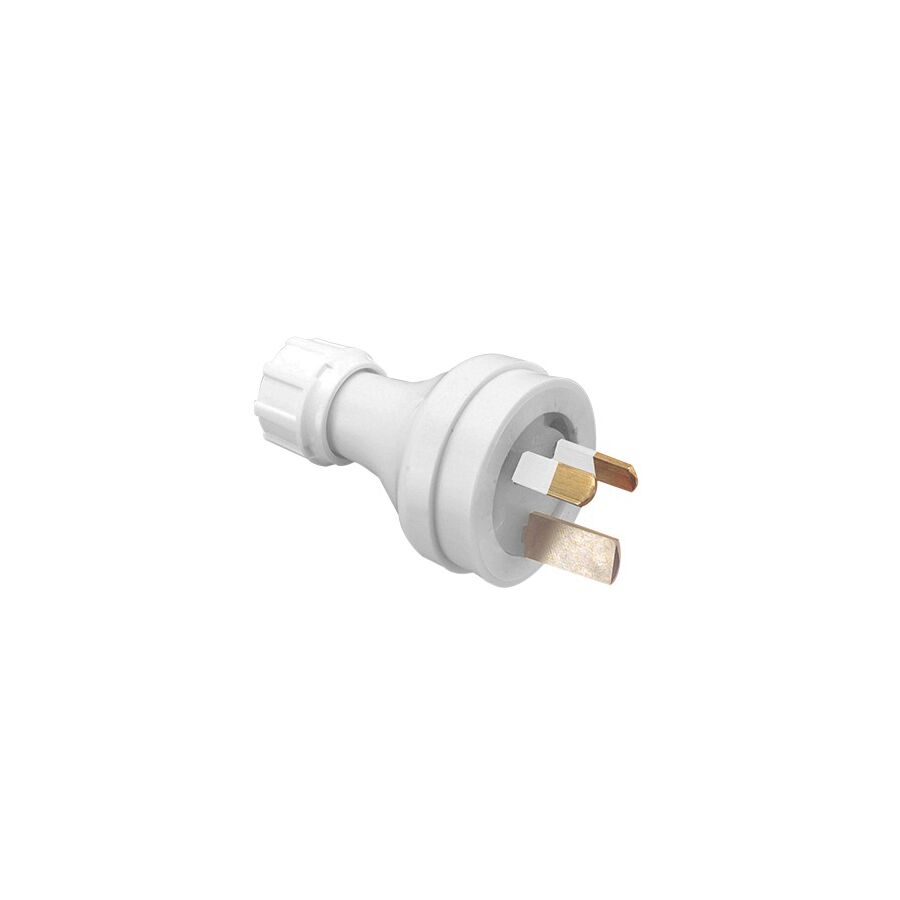
In the low-voltage distribution network of Australia and New Zealand, the integrity of the final circuit is heavily dependent on the quality of the appliance interface. While fixed wiring is protected behind wall cavities and switchboards, the point of connection—specifically the male connector—is subject to constant mechanical wear, user interaction, and environmental stress. The standard 3 pin plug, technically governed by AS/NZS 3112, is a precision-engineered safety device designed to manage polarity and provide a critical path to earth for Class I appliances. For electrical contractors, test and tag technicians, and facility managers, understanding the geometric and material specifications of these components is essential for maintaining site compliance and preventing electrocution hazards.
The Australian plug configuration (Type I) is distinct globally due to its inverted V-shape for the current-carrying pins. The Active and Neutral pins are flat, set at a 30-degree angle to the vertical. However, the defining feature of this configuration is the vertical Earth pin located at the apex of the triangle.
Topical authority on electrical safety dictates a clear understanding of the "Make-First-Break-Last" mechanical principle. In a compliant 3-pin design, the Earth pin is physically longer than the Active and Neutral pins. This ensures that when the plug is inserted into a General Purpose Outlet (GPO), the protective earth connection is established before the live conductors make contact. Conversely, upon withdrawal, the earth connection is the last to disconnect. This sequencing ensures that the chassis of the appliance remains earthed during the transient moments of connection, protecting the user from potential fault currents.
A critical evolution in the design of the plug top was the introduction of insulated live pins. Mandated by regulatory authorities to prevent accidental contact with live parts, the Active and Neutral pins feature a sleeve of insulation covering the base of the metal pin.
This design feature addresses the risk of "finger creep" or the ingress of thin metal objects (like blinds slats or knife blades) while the plug is partially inserted but still energised. High-quality connectors, such as those manufactured by Schnap Electric Products, utilise a robust insulation bonding process that prevents the sleeve from detaching or sliding down the brass pin, a common failure mode in inferior generic imports. The Earth pin remains uninsulated to ensure immediate continuity with the socket's earth clip.
The operational environment of a rewireable plug in the trade sector is unforgiving. Plugs are dropped, stepped on, and dragged across concrete surfaces. Consequently, the material composition of the housing is a key specification parameter. Standard domestic plugs often use rigid PVC, which can brittle and crack over time.
Professional specifications favour high-impact polycarbonate or UV-stabilised thermoplastic. This is where the integration of Schnap Electric Products demonstrates engineering value. The Schnap Electric Products rewireable range typically features a transparent or semi-transparent rear housing. This "clear-back" design is a functional asset for maintenance teams. It allows for a visual inspection of the internal core termination and the cable clamp without the need to unscrew and dismantle the unit. This efficiency is vital during large-scale testing and tagging operations in commercial facilities.
While the standard 10 Amp plug is ubiquitous, industrial applications frequently require the 15 Amp variant. Visually similar, the 15A plug is distinguished by a significantly larger Earth pin. This physical keying prevents a high-current 15A appliance (such as a large air compressor or commercial welder) from being inserted into a standard 10A socket, which would overload the circuit cabling.
It is strictly prohibited to modify a 15A plug by filing down the earth pin to fit a 10A outlet. This practice compromises the earth path and bypasses the thermal rating protections of the fixed wiring. When sourcing these specific industrial variants, contractors must ensure the pins are manufactured from high-conductivity brass to minimise contact resistance and heat rise under full load.
The procurement of connection hardware is a matter of strict compliance. The Australian market is occasionally infiltrated by non-compliant electrical accessories that fail the glow-wire test or possess undersized conductor terminals. To mitigate liability, professional contractors do not source critical components from generalist hardware stores. Instead, they utilise a specialised electrical wholesaler to procure their plug tops and sockets.
A dedicated wholesaler ensures that the stock carries the Regulatory Compliance Mark (RCM) and adheres to the dimensional tolerances of AS/NZS 3112. Through these legitimate trade channels, technicians can access the full range of Schnap Electric Products connectors, including IP66 rated locking plugs for wet areas and heavy-duty 32A round-pin variants for industrial machinery. This supply chain verification ensures that the internal screw terminals are capable of accepting the appropriate cable gauge without shearing the copper strands.
The internal mechanics of the plug rely on effective strain relief. A common point of failure is the cable entry. If the flexible cord is not securely anchored, a sharp tug can pull the conductors out of the screw terminals, creating an internal arc fault.
Industrial-grade plugs utilise a saddle clamp or a labyrinth path to grip the outer sheath of the cable, not the inner cores. When terminating a plug, the earth conductor should always be left slightly longer than the active and neutral. This ensures that if the cord anchorage fails catastrophically, the earth wire is the last to be pulled out, maintaining the safety protection until the final moment of failure.
The standard three-pin plug is more than a simple connector; it is a primary safety interface. Its design incorporates precise geometry for earthing priority and material science for impact resistance. By utilising compliant hardware from trusted brands like Schnap Electric Products, adhering to correct termination protocols, and sourcing materials through verified supply channels, the electrical industry ensures that the delivery of power to portable appliances remains safe, reliable, and robust. In the chain of electrical safety, the integrity of the plug is paramount.

SCHNAP Electrical Wholesaler - clear, upfront pricing that professional electricians trust

Get what you need in seconds. SCHNAP electrical wholesaler makes ordering quick and simple

Fast delivery anywhere - that's guaranteed. SCHNAP electrical wholesalers ship nationwide with same-day dispatch

Track your order every step of the way. SCHNAP electrical wholesale keeps you updated from click to delivery

SCHNAP is Australia's premier electrical wholesaler and electrical supplies, marketing thousands of quality products from leading brands. Trusted for nearly two decades by licensed electricians, contractors, and engineers, our range covers everything from basic electrical components to complex industrial electrical equipment
Our key categories include: LED lighting, designer switches, commercial switchboards, circuit protection, security systems & CCTV, and smart home automation
All products are certified to Australian standards (AS/NZS), backed by our 30-day, no-questions-asked return policy. Our expert technical team helps you quickly source the right solution for any residential, commercial, or industrial project, with daily dispatch from our Sydney electrical warehouse delivering Australia-wide
SCHNAP offers the most comprehensive electrical product range, with full technical specifications, application details, installation requirements, compliance standards, and warranties — giving professionals total confidence in every purchase


Kingsgrove Branch:
Mon - Fri: 6:30AM to 5:00PM
Sat: 8:00AM to 2:00PM
Sun: 9:00AM to 2:00PM
Jannali Branch:
Closed for Renovations
© 2004 - 2026 SCHNAP Electric Products