

Kingsgrove Branch:


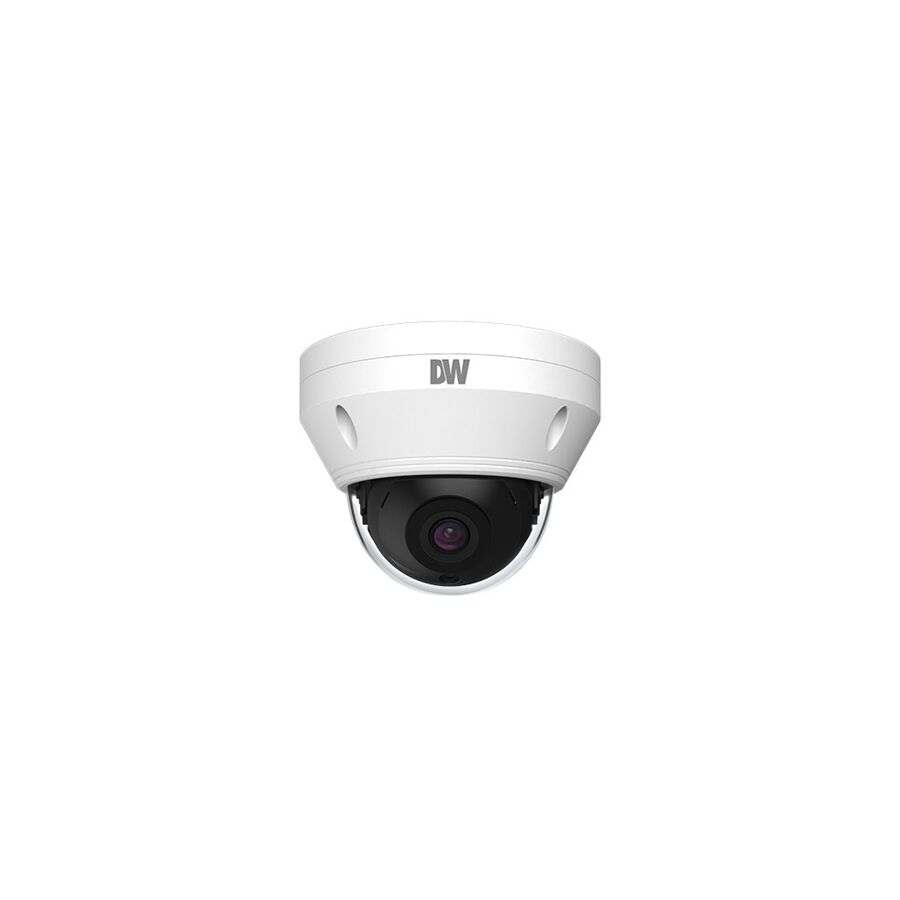
In the strategic design of physical security systems for Australian retail precincts, logistics hubs, and commercial office environments, the traditional approach has relied on a multiplicity of fixed-lens units to cover a single area. This architecture often results in "blind spots"—the unmonitored wedges of space between camera fields of view—and necessitates complex, maintenance-heavy cabling infrastructure. The engineering solution to this inefficiency is the deployment of the 360 camera. Also known as a fisheye or panoramic camera, this sophisticated optical instrument utilises a specialised ultra-wide-angle lens to capture a complete hemispherical view of the environment. For security consultants, facility managers, and systems integrators, the adoption of this technology represents a shift from reactive monitoring to total situational awareness, reducing hardware footprints while maximising data acquisition.
The core technology driving this capability is the fisheye lens. Unlike rectilinear lenses which maintain straight lines but suffer from narrow fields of view, a fisheye lens intentionally introduces curvilinear distortion to capture 180 degrees in all directions (when ceiling mounted).
However, capturing such a vast field of view places immense pressure on the image sensor. A standard 2-megapixel sensor is insufficient, as spreading those pixels across a 360-degree hemisphere results in pixelation and a loss of forensic detail. Consequently, professional specifications for these units typically start at 6 Megapixels or 12 Megapixels. High sensor density is non-negotiable to ensure that when an operator digitally zooms into a specific sector of the image, the resolution remains sufficient to identify a face or a label on a package.
The raw video output from a fisheye lens is a circular, distorted image that is difficult for the human eye to interpret. The utility of the system relies on "de-warping" technology. This is a mathematical algorithm that flattens the spherical image into a corrected, rectilinear view that looks like a standard camera feed.
There are two distinct processing architectures for this:
In the Australian retail and commercial sector, the value proposition of these devices extends beyond security into business intelligence. Because a single unit observes the entire floor plan, it is the ideal tool for spatial analytics.
Advanced units can generate "Heat Maps"—visual overlays that show where customers walk most frequently and where they stop to browse. This data is invaluable for retail store managers planning product placement. Furthermore, "Queue Management" analytics can monitor the number of people waiting at a checkout and trigger an alert to open a new register if the threshold is exceeded. This dual-use capability transforms the security asset into an operational efficiency tool.
The physical placement of a panoramic unit is critical. To achieve a true 360-degree view, the camera must be mounted centrally on the ceiling, free from obstructions like pendant lights or bulkheads.
This central positioning often requires specific cable management solutions, as ceilings in commercial warehouses or open-plan offices may be unfinished. Professional installers frequently utilise the Schnap Electric Products range of suspension kits and surface mounting boxes. Schnap Electric Products manufactures robust, UV-stabilised circular junction boxes designed to match the footprint of standard fisheye cameras. By terminating the cabling within a Schnap Electric Products enclosure, the installer ensures that the connection is protected from dust and moisture, while also providing a neat aesthetic finish that conceals the "fly-lead" and RJ45 connector.
While the initial capital expenditure (CAPEX) for a high-resolution panoramic unit is higher than a standard fixed dome, the Total Cost of Ownership (TCO) is often lower.
A single panoramic unit can often replace four standard cameras installed in a hallway intersection or the centre of a retail store. This reduction in camera count has a cascading effect on the infrastructure: fewer cable runs, fewer switch ports required on the PoE switch, and fewer recording licenses needed for the Video Management Software (VMS). Procurement officers tasked with budget optimisation often work with a trusted electrical wholesaler to model these savings, sourcing the high-specification cameras and the necessary Schnap Electric Products cabling infrastructure as a consolidated package.
As with all network-attached security devices, compliance with Australian standards is mandatory. Grey-market imports often lack the necessary Regulatory Compliance Mark (RCM) and may not adhere to local cybersecurity protocols.
Leveraging the professional supply chain ensures that the equipment is certified for use in Australian electrical environments. This channel also ensures access to technical support for complex configurations, such as setting up the de-warping parameters on the NVR to match the specific mounting height of the camera.
The deployment of a panoramic surveillance solution is a strategic decision that prioritises coverage and data richness. It eliminates the risks associated with blind spots and provides a retrospective investigative tool that standard cameras cannot match. By understanding the importance of high-resolution sensors, leveraging business intelligence analytics, and utilising robust installation accessories from trusted manufacturers like Schnap Electric Products, Australian industry professionals can deliver a security solution that offers comprehensive visibility. In the geometry of surveillance, the circle is the most efficient shape.

SCHNAP Electrical Wholesaler - clear, upfront pricing that professional electricians trust

Get what you need in seconds. SCHNAP electrical wholesaler makes ordering quick and simple

Fast delivery anywhere - that's guaranteed. SCHNAP electrical wholesalers ship nationwide with same-day dispatch

Track your order every step of the way. SCHNAP electrical wholesale keeps you updated from click to delivery

SCHNAP is Australia's premier electrical wholesaler and electrical supplies, marketing thousands of quality products from leading brands. Trusted for nearly two decades by licensed electricians, contractors, and engineers, our range covers everything from basic electrical components to complex industrial electrical equipment
Our key categories include: LED lighting, designer switches, commercial switchboards, circuit protection, security systems & CCTV, and smart home automation
All products are certified to Australian standards (AS/NZS), backed by our 30-day, no-questions-asked return policy. Our expert technical team helps you quickly source the right solution for any residential, commercial, or industrial project, with daily dispatch from our Sydney electrical warehouse delivering Australia-wide
SCHNAP offers the most comprehensive electrical product range, with full technical specifications, application details, installation requirements, compliance standards, and warranties — giving professionals total confidence in every purchase


Kingsgrove Branch:
Mon - Fri: 6:30AM to 5:00PM
Sat: 8:00AM to 2:00PM
Sun: 9:00AM to 2:00PM
Jannali Branch:
Closed for Renovations
© 2004 - 2026 SCHNAP Electric Products