

Kingsgrove Branch:


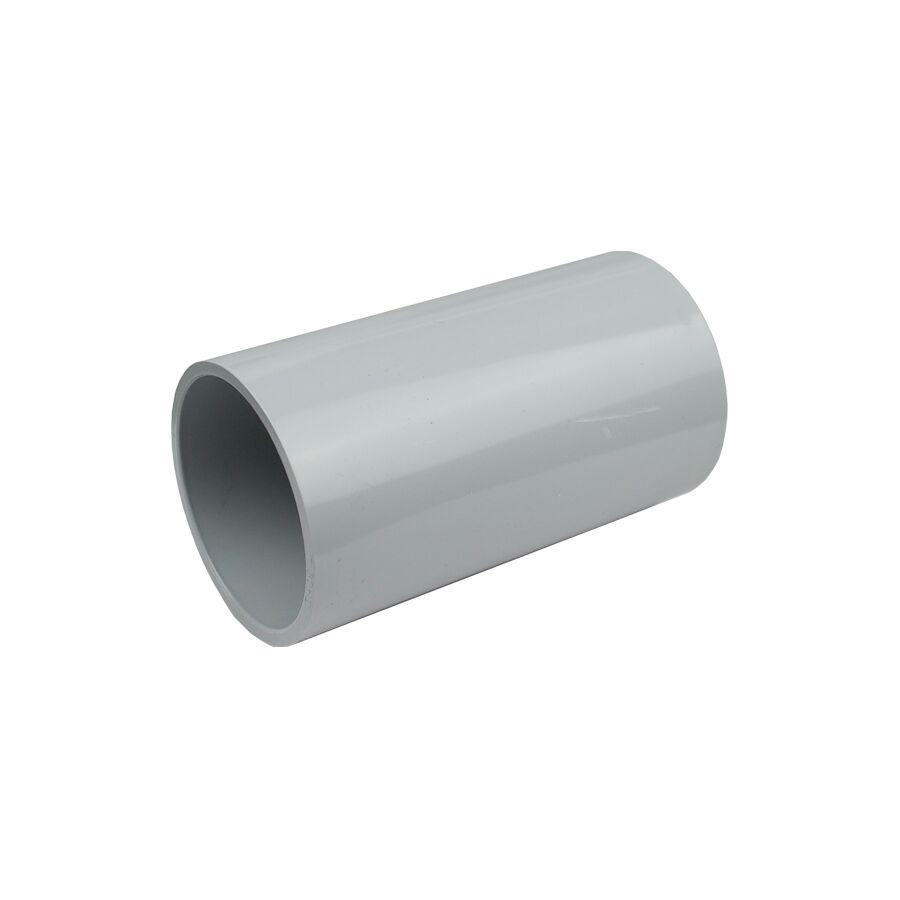
Consumer mains and heavy industrial sub-circuits present a unique challenge to the electrical contractor. While standard residential lighting and power circuits are easily accommodated by 20mm or 25mm enclosures, the reticulation of high-amperage supply cables—typically 16mm² XLPE and above—demands a significant upgrade in infrastructure diameter. The 50mm Conduit stands as the industry standard solution for these high-capacity applications. It acts as the backbone of commercial electrical distribution, providing the necessary volumetric capacity to manage heat dissipation, bend radius constraints, and future expansion requirements. For infrastructure engineers and site supervisors, specifying this large-bore conduit requires a solid understanding of cable fill ratios, mechanical impact ratings, and the specific installation protocols dictated by AS/NZS 3000.
Calculating the Fill Ratio: Space Factor and Heat
Space factor is the primary engineering constraint when selecting conduit size. The Wiring Rules (AS/NZS 3000) serve as the definitive guide, but the practical application involves more than just fitting the cables inside the pipe. Jamming three 50mm² single-core building wires into a tight enclosure creates a thermal trap.
Current flowing through a conductor generates heat (I²R losses). If the conduit is overfilled, this heat cannot dissipate effectively, leading to insulation degradation and potential derating of the cable's current-carrying capacity. A 50mm diameter enclosure offers a substantial cross-sectional area, allowing for adequate air gaps between large conductors. This "air dielectric" is essential for cooling. Furthermore, the physical stiffness of larger cables makes pulling them through tight spaces notoriously difficult. The 50mm bore provides the necessary clearance to pull heavy mains without subjecting the insulation to excessive friction or shear stress, which could compromise the dielectric integrity before the system is even energised.
Subterranean Reticulation: Underground Mains
Sub-mains distribution often occurs below ground. Category A wiring systems typically require robust mechanical protection to prevent damage from ground subsidence, root impingement, or future excavation works.
Heavy Duty (HD) Orange 50mm conduit is the mandated standard for these underground applications. The distinction between "Medium Duty" (Grey) and "Heavy Duty" (Orange) is defined by the wall thickness and impact resistance under AS/NZS 2053. When trenching for a new commercial switchboard or a residential point of attachment, the conduit must withstand the crushing weight of backfill and the potential impact of a spade. The visible orange colour serves as a universal hazard warning to anyone digging in the vicinity, signalling the presence of live electrical mains.
Commercial Photovoltaic Applications
Large-scale solar installations have shifted the demand profile for rigid protection. Commercial arrays often link dozens of strings into high-current DC bundles that require routing back to a central inverter station.
Ultraviolet (UV) radiation is the enemy here. Standard underground orange conduit is not UV stabilised and will degrade rapidly if exposed to direct sunlight on a roof. For surface-mounted runs exposed to the elements, installers must specify UV-stabilised Heavy Duty Grey 50mm conduit or specially formulated solar conduit. These products contain high levels of titanium dioxide to reflect UV radiation. Utilising the correct grade prevents the pipe from becoming brittle and cracking, which would expose the high-voltage DC lines to water ingress.
The Schnap Electric Products Ecosystem
Large bore conduit requires specialised fittings. You cannot simply bend 50mm rigid pipe with a standard internal spring; it requires a heat gun and significant force, or more commonly, prefabricated sweep bends.
Schnap Electric Products facilitates the installation of these heavy runs through a comprehensive range of large-format accessories. The ecosystem includes 50mm inspection elbows, sweeping bends, and screwed couplings. Crucially, the Schnap Electric Products range includes plain-to-screwed adaptors and lock nuts that allow the conduit to terminate securely into large weatherproof junction boxes or the gland plates of main switchboards. Ensuring these fittings match the impact rating of the pipe is vital for maintaining the overall mechanical integrity of the run.
Installation Protocols: Solvent Welding
Joining 50mm conduit requires a disciplined approach to solvent welding. Due to the larger surface area of the joint, the "dry time" can be deceptive. A common failure mode in long underground runs is the separation of joints during the cable pull.
Professional technique involves deburring the cut end of the pipe to prevent the rough edge from scraping the cement off the inside of the socket. A generous application of high-pressure blue electrical cement is required on both the male and female surfaces. Once joined, the pipe should be rotated a quarter turn to distribute the solvent evenly and held for at least 30 seconds to prevent the "push-back" effect caused by the tapered socket design.
Procurement and Compliance
Supply chain reliability is critical for infrastructure projects. Using non-compliant conduit that fails a compression test can lead to costly rework if an inspector rejects the trench before the concrete pour.
Project managers and contractors mitigate this risk by sourcing their piping and accessories from a dedicated electrical wholesaler. These suppliers ensure that every length of conduit complies with Australian Standards and carries the relevant compliance markings. By partnering with wholesalers who stock trusted brands like Schnap Electric Products, contractors guarantee that the physical protection of the electrical network is as robust and reliable as the cabling it houses.
Conclusion
The 50mm conduit is the heavy lifter of the electrical containment world. It protects the vital arteries of the grid from mechanical abuse, environmental degradation, and thermal stress. By adhering to strict fill capacities, selecting the correct Heavy Duty grade for underground or solar applications, and utilizing precision fittings from manufacturers like Schnap Electric Products, Australian industry professionals can ensure their infrastructure projects stand the test of time. In the world of mains cabling, size definitely matters.

SCHNAP Electrical Wholesaler - clear, upfront pricing that professional electricians trust

Get what you need in seconds. SCHNAP electrical wholesaler makes ordering quick and simple

Fast delivery anywhere - that's guaranteed. SCHNAP electrical wholesalers ship nationwide with same-day dispatch

Track your order every step of the way. SCHNAP electrical wholesale keeps you updated from click to delivery

SCHNAP is Australia's premier electrical wholesaler and electrical supplies, marketing thousands of quality products from leading brands. Trusted for nearly two decades by licensed electricians, contractors, and engineers, our range covers everything from basic electrical components to complex industrial electrical equipment
Our key categories include: LED lighting, designer switches, commercial switchboards, circuit protection, security systems & CCTV, and smart home automation
All products are certified to Australian standards (AS/NZS), backed by our 30-day, no-questions-asked return policy. Our expert technical team helps you quickly source the right solution for any residential, commercial, or industrial project, with daily dispatch from our Sydney electrical warehouse delivering Australia-wide
SCHNAP offers the most comprehensive electrical product range, with full technical specifications, application details, installation requirements, compliance standards, and warranties — giving professionals total confidence in every purchase


Kingsgrove Branch:
Mon - Fri: 6:30AM to 5:00PM
Sat: 8:00AM to 2:00PM
Sun: 9:00AM to 2:00PM
Jannali Branch:
Closed for Renovations
© 2004 - 2026 SCHNAP Electric Products