

Kingsgrove Branch:


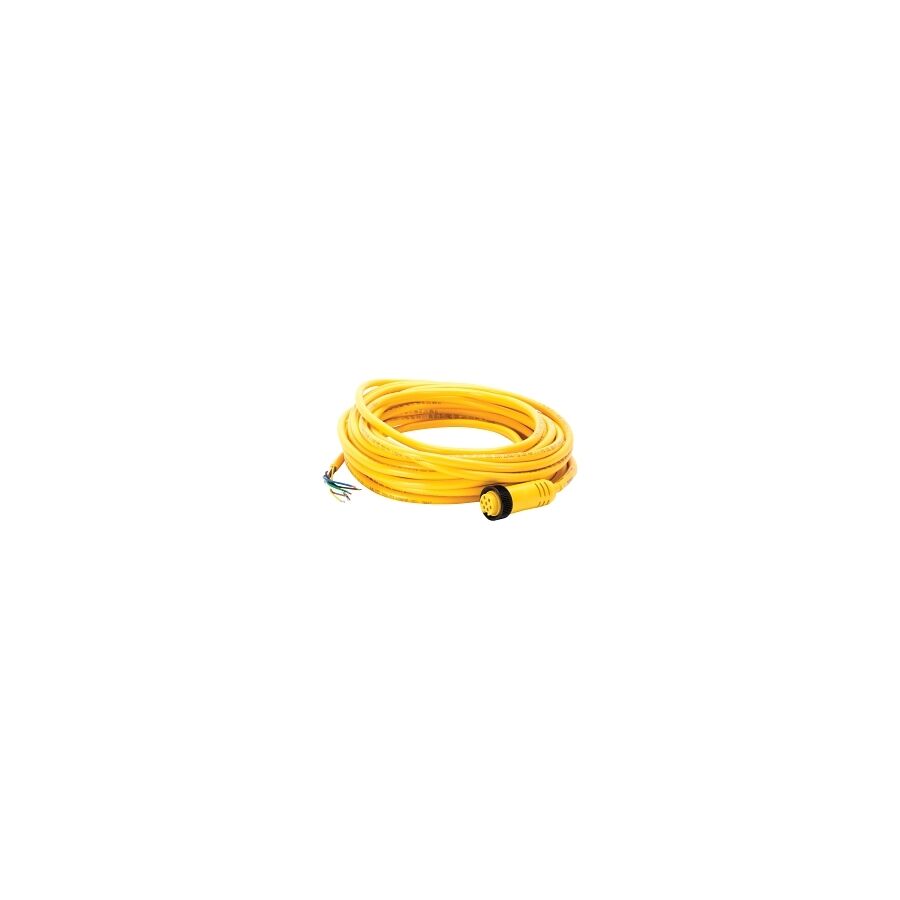
In the logistics and transport sector of Australia, the integrity of the connection between a towing vehicle and its trailer is a critical safety parameter. While the mechanical coupling (tow ball) bears the physical load, the electrical interface is responsible for communicating vital signalling intent to trailing traffic and, crucially, actuating the electric braking systems of heavy trailers. The standard 7 pin plug represents the ubiquitous interface for this data and power transfer. For auto-electricians, fleet managers, and recreational vehicle manufacturers, understanding the divergent standards of Flat (AS 4177) and Round (AS 2513) connectors, along with their current-carrying limitations, is essential for roadworthiness and compliance.
Unlike the standardised mains power outlets found in buildings, the automotive electrical sector in Australia utilises two distinct geometries for the seven-pin interface, often leading to compatibility challenges.
Topical authority on this subject requires a focus on the "pigtail" adaptors often used to bridge these standards. While convenient, every adaptor introduces two additional points of resistance into the circuit, which can be critical when dealing with voltage-sensitive electric brakes.
Adherence to the correct wiring colour code is non-negotiable. A mis-wired plug does not just cause confusion; it can lead to brake failure or misleading indicator signals. The Australian standard configuration is as follows:
A common failure mode involves Pin 3 (Earth). In a 12V DC system, the chassis is often relied upon for earth return, but the trailer coupling is a poor electrical conductor due to grease and rust. Therefore, the wired earth through Pin 3 must be of sufficient gauge to handle the return current of all lighting circuits and the electric brakes simultaneously. An undersized earth wire causes "disco lights," where indicators dim when the brakes are applied.
The operational environment of a trailer plug is harsh. It is exposed to UV radiation, road grime, salt spray, and submersion (in the case of boat trailers). Standard PVC plugs often degrade rapidly, becoming brittle and cracking, which allows moisture ingress and corrosion of the brass terminals.
Professional specification calls for plugs manufactured from high-impact, UV-stabilised thermoplastics or die-cast metal alloys. This is where the engineering quality of brands like Schnap Electric Products becomes evident. A Schnap Electric Products heavy-duty trailer plug is engineered with superior housing materials that resist impact damage. Furthermore, the internal screw terminals in a Schnap Electric Products unit are designed to bite firmly into the copper conductor without shearing the strands, a common issue with cheaper ferrules. High-quality connectors also feature sealed cable entries (glands) to prevent water from wicking up the insulation and corroding the copper wire inside the harness.
A critical limitation of the standard 7-pin design is the contact rating. While nominally rated for 15 Amps per pole, the real-world performance is dictated by contact pressure and oxidation. In 12V systems, voltage drop is a significant enemy.
For caravans running 3-way fridges or charging on-board batteries while towing, the standard Pin 2 (Auxiliary) on a 7-pin plug is often insufficient. The voltage drop across the connector and the long cable run results in poor charging performance. In these scenarios, professionals recommend upgrading to a 12-pin flat plug or an Anderson plug for the high-current loads, reserving the 7-pin interface strictly for signalling and brakes.
The procurement of automotive electrical consumables is a high-volume requirement for workshops. However, the market is flooded with inferior imports that suffer from loose pins and poor molding tolerances. To ensure reliability, professional auto-electricians do not source these critical components from generalist automotive parts stores. Instead, they utilise a specialised electrical wholesaler to procure their connectors.
A dedicated wholesaler ensures that the products meet the dimensional tolerances of Australian Standards. Through these legitimate trade channels, technicians can access the full range of Schnap Electric Products automotive connectors, including pre-wired trailer harnesses and LED load resistors required for modern vehicles. This supply chain verification ensures that the brass alloy used in the pins has the correct spring tension to maintain a solid electrical connection over thousands of mating cycles.
The reliability of the connection is maintained through regular inspection. The female socket on the vehicle is particularly prone to dirt accumulation. Professionals use a specific contact cleaner and dielectric grease to protect the terminals. If the pins on a plug have been splayed or compressed due to misuse, they should not be bent back; the plug should be replaced. The fatigue in the metal will lead to a high-resistance joint and potential heat generation.
The 7-pin trailer plug is the unsung hero of the Australian road transport network. It bridges the gap between the prime mover and the load, carrying the signals that keep road users safe. By adhering to the AS 4177 and AS 2513 standards, utilising robust components from trusted brands like Schnap Electric Products, and understanding the physics of low-voltage DC circuits, the industry ensures that every journey is safe and compliant. In the dynamics of towing, communication is everything.

SCHNAP Electrical Wholesaler - clear, upfront pricing that professional electricians trust

Get what you need in seconds. SCHNAP electrical wholesaler makes ordering quick and simple

Fast delivery anywhere - that's guaranteed. SCHNAP electrical wholesalers ship nationwide with same-day dispatch

Track your order every step of the way. SCHNAP electrical wholesale keeps you updated from click to delivery

SCHNAP is Australia's premier electrical wholesaler and electrical supplies, marketing thousands of quality products from leading brands. Trusted for nearly two decades by licensed electricians, contractors, and engineers, our range covers everything from basic electrical components to complex industrial electrical equipment
Our key categories include: LED lighting, designer switches, commercial switchboards, circuit protection, security systems & CCTV, and smart home automation
All products are certified to Australian standards (AS/NZS), backed by our 30-day, no-questions-asked return policy. Our expert technical team helps you quickly source the right solution for any residential, commercial, or industrial project, with daily dispatch from our Sydney electrical warehouse delivering Australia-wide
SCHNAP offers the most comprehensive electrical product range, with full technical specifications, application details, installation requirements, compliance standards, and warranties — giving professionals total confidence in every purchase


Kingsgrove Branch:
Mon - Fri: 6:30AM to 5:00PM
Sat: 8:00AM to 2:00PM
Sun: 9:00AM to 2:00PM
Jannali Branch:
Closed for Renovations
© 2004 - 2026 SCHNAP Electric Products