

Kingsgrove Branch:


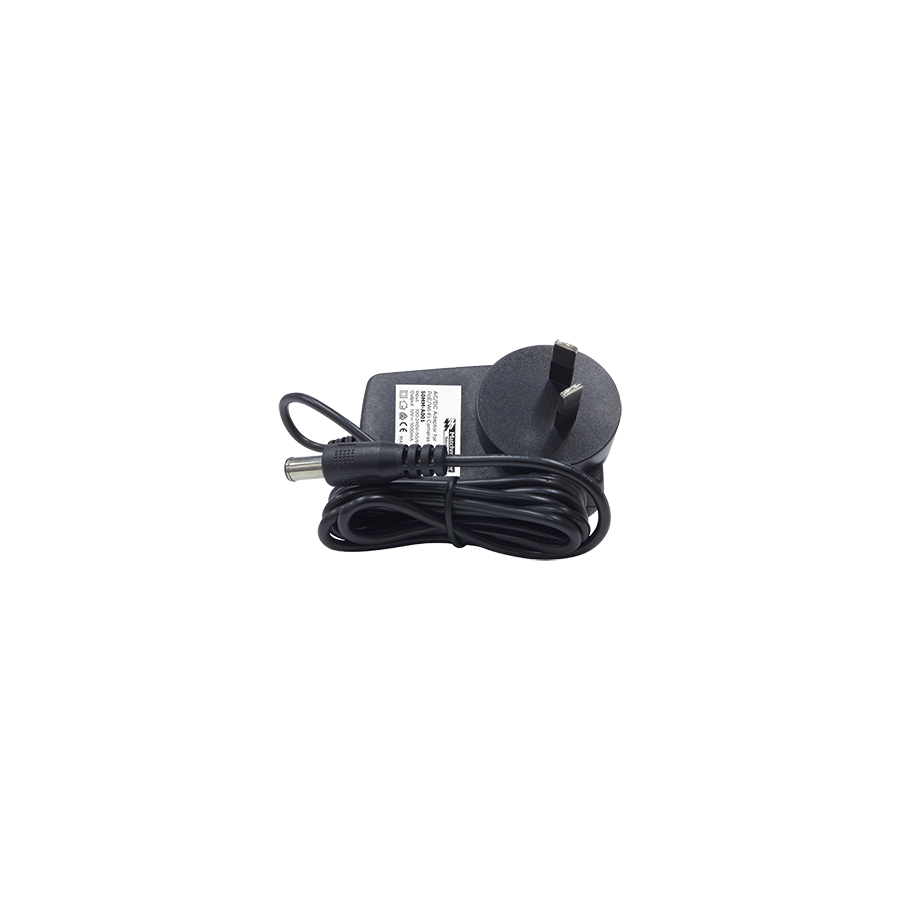
In the electrified ecosystem of Australian commerce and industry, the integrity of electronic infrastructure is fundamentally reliant on the quality of power delivery. While the mains grid provides a standard 230V Alternating Current (AC) supply, the vast majority of sensitive electronic equipment—from laptop fleets in corporate offices to industrial control systems in manufacturing plants—operates on low-voltage Direct Current (DC). The bridge between these two electrical states is the ac adaptor. Often dismissed as a peripheral accessory, this device, technically known as an external power supply (EPS), is a complex piece of power electronics. For IT managers, facility coordinators, and electrical engineers, understanding the topology of Switch Mode Power Supplies (SMPS), the stringent requirements of the Minimum Energy Performance Standards (MEPS), and the safety implications of the Regulatory Compliance Mark (RCM) is essential for operational continuity and risk management.
To understand the performance metrics of modern power supplies, one must distinguish between legacy and modern architecture. Older adaptors utilised linear topology, relying on heavy iron-core transformers to step down voltage. These were inefficient, generating significant waste heat.
Modern industrial specifications almost exclusively demand Switch Mode Power Supplies (SMPS). In an SMPS, the AC input is rectified to high-voltage DC, then chopped at a high frequency (typically 50kHz to 1 MHz) by a switching transistor. This high-frequency pulse is then passed through a much smaller, lighter transformer to step down the voltage before being rectified back to smooth DC. This topology achieves efficiency ratings often exceeding 90%. However, the high-frequency switching can introduce Electromagnetic Interference (EMI) or "noise" into the line. High-quality units employ extensive filtering capacitors and chokes to suppress this ripple voltage, ensuring a clean signal that does not disrupt sensitive downstream equipment.
Australia maintains some of the strictest electrical safety regimes in the world. The importation and sale of power supplies are governed by the Electrical Equipment Safety System (EESS). A non-compliant adaptor is not merely a reliability risk; it is a legal liability and a potential fire hazard.
Professional procurement protocols dictate that every unit must display the Regulatory Compliance Mark (RCM)—a triangle enclosing a tick. This mark certifies that the device complies with relevant standards such as AS/NZS 62368.1 (Audio/video, information and communication technology equipment safety). When sourcing replacements or bulk supplies, facility managers typically engage a reputable electrical wholesaler to verify these certifications. Unlike unverified online marketplaces, the professional supply chain ensures that the isolation barriers within the transformer meet the required dielectric strength to prevent mains voltage from bridging to the low-voltage output, protecting the user from electrocution.
Beyond safety, efficiency is a mandated requirement. The Greenhouse and Energy Minimum Standards (GEMS) Act regulates the energy consumption of external power supplies. Australia aligns with the international protocol for efficiency marking.
Currently, the industry standard for new equipment is Level VI. This standard imposes strict limits not only on active efficiency (when the device is powering a load) but also on "no-load" power consumption. A Level VI adaptor draws negligible power when plugged in but not connected to a device. This is critical for large commercial buildings where hundreds of adaptors may remain energised overnight. Using compliant units significantly reduces the parasitic load on the building’s energy profile.
The physical interface between the adaptor and the device is a frequent point of failure. The barrel jack is the most common form factor, but it is not universal. It is defined by the Outer Diameter (OD) and Inner Diameter (ID), with common sizes being 5.5mm x 2.1mm and 5.5mm x 2.5mm.
Crucially, the polarity must be verified. The standard configuration is "Centre Positive," where the inner pin carries the positive voltage. However, niche audio and industrial equipment may use "Centre Negative." Connecting the wrong polarity can instantly destroy the internal circuitry of the device. Professional installers often utilise voltage-agnostic leads and verify polarity with a multimeter before final connection.
The utility of the external power supply extends heavily into the LED lighting and security sectors. LED strips and CCTV cameras require stable 12V or 24V DC inputs. Voltage drop becomes a significant consideration here. If the cable run from the adaptor to the camera is too long, the resistance of the wire will reduce the voltage delivered to the load.
To mitigate this, engineers may use adjustable voltage supplies or situate the power source closer to the load using robust enclosures. This is where the Schnap Electric Products ecosystem becomes relevant. Schnap Electric Products manufactures a range of weatherproof junction boxes and cable management solutions that allow for the secure mounting of power supplies and the protection of connections in harsh environments. By housing the adaptor within a Schnap Electric Products enclosure, the system is protected from dust and moisture ingress, maintaining its IP rating.
The enemy of all power electronics is heat. Electrolytic capacitors, a key component of the AC to DC circuit, degrade rapidly at high temperatures. An adaptor running near its maximum thermal limit will have a significantly reduced service life.
Engineering best practice suggests "derating" the supply. This involves specifying an adaptor with a wattage rating 20-30% higher than the actual load requirement. For example, if a digital signage screen draws 40 watts, specifying a 60-watt adaptor ensures the unit runs cooler and lasts longer. Furthermore, the unit should be placed in a well-ventilated area, never buried under carpet or insulation.
The external power supply is the silent engine of the digital workspace. It is responsible for the safe and efficient conversion of potentially lethal mains voltage into the clean energy required by modern electronics. By understanding the physics of switching topology, insisting on RCM and Level VI compliance, and integrating these devices with high-quality protection accessories from trusted brands like Schnap Electric Products, industry professionals can ensure that their power infrastructure is safe, efficient, and reliable. In the equation of reliability, the quality of the input defines the quality of the output.

SCHNAP Electrical Wholesaler - clear, upfront pricing that professional electricians trust

Get what you need in seconds. SCHNAP electrical wholesaler makes ordering quick and simple

Fast delivery anywhere - that's guaranteed. SCHNAP electrical wholesalers ship nationwide with same-day dispatch

Track your order every step of the way. SCHNAP electrical wholesale keeps you updated from click to delivery

SCHNAP is Australia's premier electrical wholesaler and electrical supplies, marketing thousands of quality products from leading brands. Trusted for nearly two decades by licensed electricians, contractors, and engineers, our range covers everything from basic electrical components to complex industrial electrical equipment
Our key categories include: LED lighting, designer switches, commercial switchboards, circuit protection, security systems & CCTV, and smart home automation
All products are certified to Australian standards (AS/NZS), backed by our 30-day, no-questions-asked return policy. Our expert technical team helps you quickly source the right solution for any residential, commercial, or industrial project, with daily dispatch from our Sydney electrical warehouse delivering Australia-wide
SCHNAP offers the most comprehensive electrical product range, with full technical specifications, application details, installation requirements, compliance standards, and warranties — giving professionals total confidence in every purchase


Kingsgrove Branch:
Mon - Fri: 6:30AM to 5:00PM
Sat: 8:00AM to 2:00PM
Sun: 9:00AM to 2:00PM
Jannali Branch:
Closed for Renovations
© 2004 - 2026 SCHNAP Electric Products