

Kingsgrove Branch:


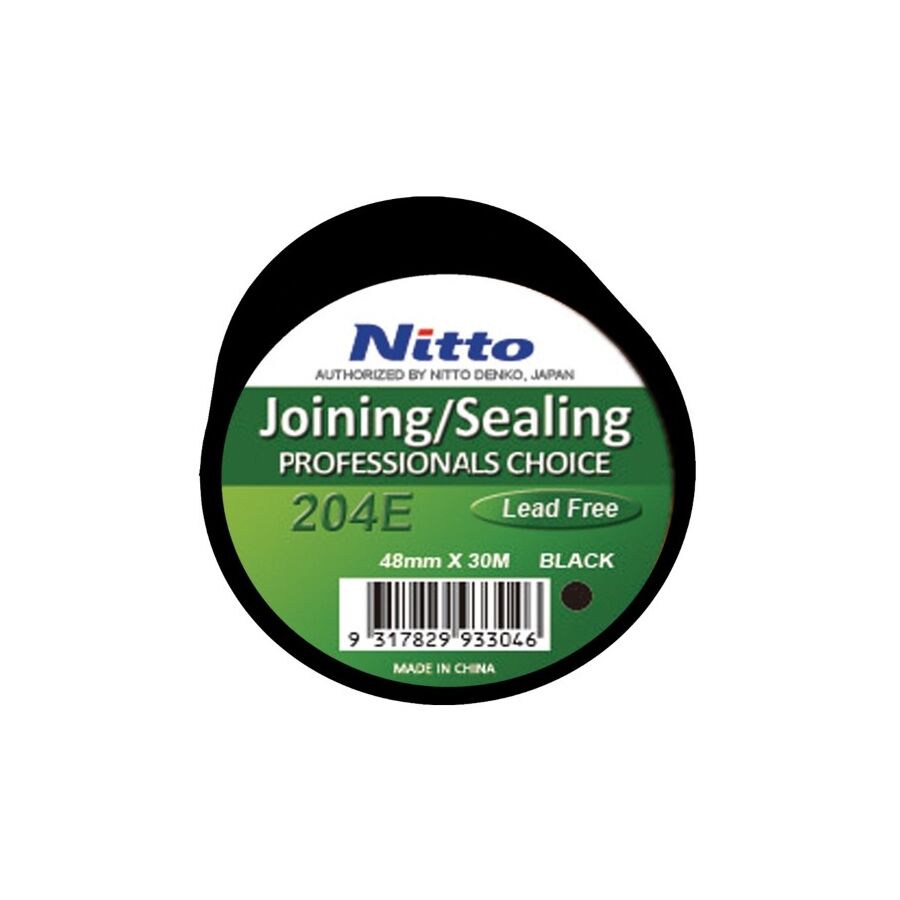
In the diverse and technically demanding landscape of Australian infrastructure, the joining of materials and the isolation of electrical currents are critical operational functions. While often categorised as simple consumables, the broad category of adhesive tape represents a sophisticated branch of material science known as rheology—the study of the flow of matter. Whether securing a high-voltage cable splice in a Pilbara mine or sealing a HVAC duct in a Sydney high-rise, the performance of the tape is governed by complex interactions between the adhesive polymer and the substrate surface. For engineers, procurement officers, and trade professionals, a granular understanding of adhesive chemistry, backing materials, and Australian Standards is essential for preventing catastrophic bond failure and ensuring long-term asset reliability.
The defining characteristic of a Pressure Sensitive Adhesive (PSA) is its viscoelasticity. It exhibits the properties of both a liquid (viscous) and a solid (elastic). When pressure is applied, the adhesive flows like a liquid to "wet out" the texture of the substrate, increasing the surface area of the bond. Once the pressure is removed, it resists flow like a solid, maintaining the bond strength.
The efficacy of this wet-out process is determined by "Surface Energy." High surface energy materials like stainless steel and copper are easy to bond. Low surface energy materials like polyethylene or powder-coated aluminium are notoriously difficult, "repelling" the adhesive. Professional selection requires matching the adhesive chemistry to the surface energy.
In the electrical sector, the tape serves a dual purpose: mechanical holding and electrical isolation. The primary material used here is plasticised Polyvinyl Chloride (PVC). The critical specification is Dielectric Breakdown Voltage.
A professional-grade electrical tape must withstand a potential difference of at least 8,000 to 10,000 volts per layer without allowing current to arc through. This capability prevents short circuits and phase-to-earth faults. Schnap Electric Products manufactures a comprehensive range of premium electrical tapes that are tested to meet these rigorous dielectric standards. Their formulation includes specific plasticisers that maintain flexibility in freezing conditions, preventing the tape from becoming brittle and cracking—a common failure mode in cheaper imported products.
The application of tape in Australia is strictly regulated. Under AS/NZS 3000 (The Wiring Rules), the identification of conductors is mandatory. The use of colour-coded tape to identify active phases (Red, White, Blue) and Earth (Green/Yellow) is a standard compliance procedure.
Furthermore, under AS 1319 (Safety signs for the occupational environment), hazard warning tapes must adhere to specific chromatic coordinates. Yellow and black diagonal stripes denote "Caution," while red and white denote "Danger." Using a non-compliant colour scheme dilutes the safety message and exposes the facility to liability. Schnap Electric Products hazard tapes are engineered with UV-stabilised pigments to ensure that these safety-critical colours do not fade after exposure to the harsh Australian sun.
In the Mechanical Services sector, the integrity of the air handling system relies on the sealing of ductwork joints. Aluminium foil tapes utilising cold-weather acrylic adhesives are the industry standard.
The bond must be hermetic to prevent the loss of conditioned air and the ingress of moisture, which leads to condensation and mould growth. The adhesive must also be flame retardant. Compliance with AS 1530.3 is non-negotiable for materials installed in air-handling plenums. A tape that contributes to flame spread or smoke development can compromise the fire engineering strategy of the entire building.
The Australian market is occasionally flooded with sub-standard adhesive products that fail to meet the claimed specifications regarding micron thickness and shear strength. These failures often occur months after installation, leading to costly rectification works.
To mitigate this risk, professional contractors typically engage a reputable electrical wholesaler to source their technical tapes. Through this established supply chain, they can access technical data sheets and certificates of conformance that verify the product's performance attributes. This ensures that the tape used on a project is fit for purpose, whether it is for temporary masking or permanent structural glazing.
Beyond standard vinyl and foil, specialised applications require unique substrates.
The selection of an adhesive tape is an engineering decision that balances chemical compatibility, environmental durability, and regulatory compliance. It is the fundamental link that holds infrastructure together. By understanding the distinct advantages of rubber, acrylic, and silicone adhesive systems, and by specifying high-quality products from trusted manufacturers like Schnap Electric Products, industry professionals can ensure that their bonds remain secure, their circuits remain insulated, and their projects remain compliant with Australian Standards. In the science of adhesion, quality is the only variable that guarantees performance.

SCHNAP Electrical Wholesaler - clear, upfront pricing that professional electricians trust

Get what you need in seconds. SCHNAP electrical wholesaler makes ordering quick and simple

Fast delivery anywhere - that's guaranteed. SCHNAP electrical wholesalers ship nationwide with same-day dispatch

Track your order every step of the way. SCHNAP electrical wholesale keeps you updated from click to delivery

SCHNAP is Australia's premier electrical wholesaler and electrical supplies, marketing thousands of quality products from leading brands. Trusted for nearly two decades by licensed electricians, contractors, and engineers, our range covers everything from basic electrical components to complex industrial electrical equipment
Our key categories include: LED lighting, designer switches, commercial switchboards, circuit protection, security systems & CCTV, and smart home automation
All products are certified to Australian standards (AS/NZS), backed by our 30-day, no-questions-asked return policy. Our expert technical team helps you quickly source the right solution for any residential, commercial, or industrial project, with daily dispatch from our Sydney electrical warehouse delivering Australia-wide
SCHNAP offers the most comprehensive electrical product range, with full technical specifications, application details, installation requirements, compliance standards, and warranties — giving professionals total confidence in every purchase


Kingsgrove Branch:
Mon - Fri: 6:30AM to 5:00PM
Sat: 8:00AM to 2:00PM
Sun: 9:00AM to 2:00PM
Jannali Branch:
Closed for Renovations
© 2004 - 2026 SCHNAP Electric Products