

Kingsgrove Branch:


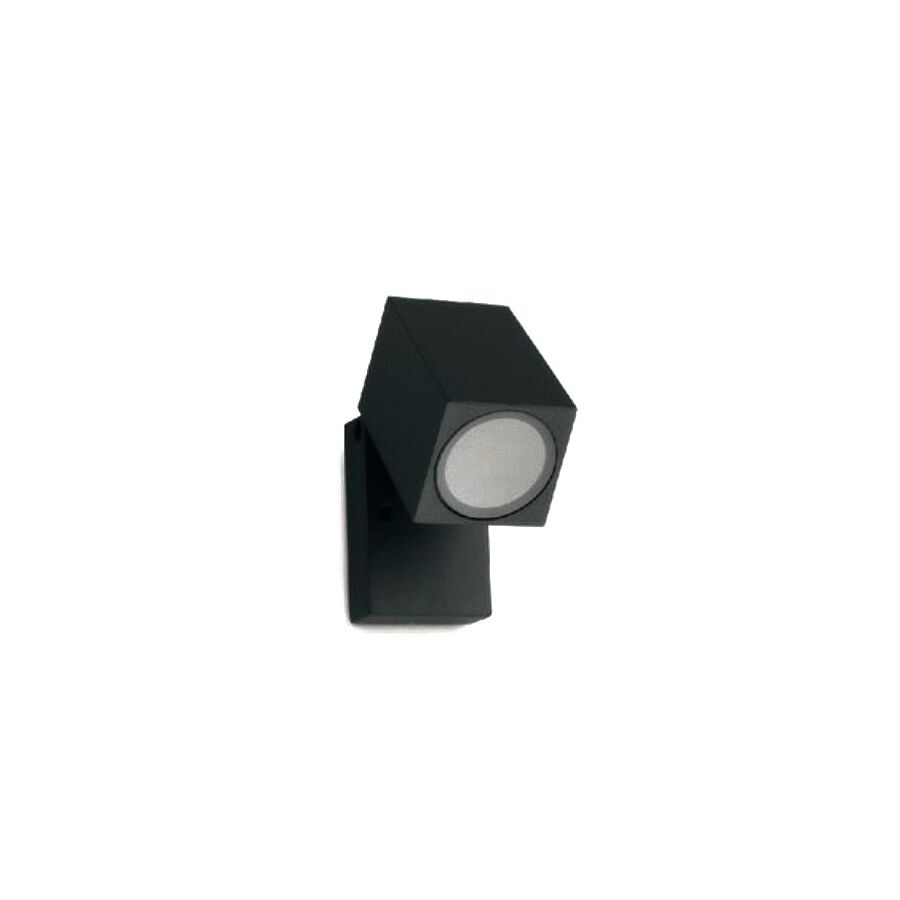
In the sophisticated lexicon of Australian interior design and architectural lighting, the requirement for static illumination is increasingly being supplanted by a demand for flexibility. Modern living spaces are rarely mono-functional; a bedroom is often a reading nook, and a hotel suite serves as a temporary office. In these dynamic environments, fixed sconces offer ambient fill but fail to provide the focused lux levels required for specific activities. The engineering solution to this ergonomic deficit is the Adjustable Wall Light. Whether utilised as a bedside reading lamp, a gallery picture light, or an exterior directional spot, these fixtures combine the utility of a torchere with the permanence of architectural hardware. For electrical consultants, lighting designers, and facility managers, the specification of these units requires a rigorous assessment of mechanical durability, thermal dissipation, and optical precision to ensure they withstand the repetitive physical interaction of the user.
The defining characteristic of this fixture class is movement. However, this mobility introduces a mechanical failure point that static fixtures do not possess. The hinge, swivel, or gooseneck mechanism is subjected to thousands of adjustment cycles over its lifespan.
In the hospitality sector, specifically, guests frequently adjust lights with varying degrees of force. Inferior fixtures often suffer from "droop," where the internal friction springs lose tension, causing the light head to sag under its own weight. Professional specifications mandate the use of machined aluminium or brass components with high-tolerance friction hinges. These mechanisms must maintain their torque rating over time. A gooseneck design, while flexible, must be sheathed in a silicone or woven metal jacket to prevent the internal wiring from fatiguing and shorting out after repeated bending—a critical safety consideration under Australian electrical standards.
The primary function of an adjustable fixture is to deliver light to a specific target—a book, a desk, or an artwork—without polluting the surrounding space. This requires precise optical engineering.
In a bedside application, the goal is to illuminate the page without waking a partner sleeping adjacent. This requires a narrow beam angle, typically between 15 and 30 degrees. Professional units achieve this through deep-recessed LED chips and honeycomb louvres that cut off peripheral glare. This "visual hygiene" ensures that the light is strictly functional and contained. Conversely, for art lighting, the adjustability allows the beam to be raked across a canvas to minimise reflection, requiring a wider wash and a high Colour Rendering Index (CRI >90) to accurately reveal the pigment fidelity.
Unlike a static light which is rarely touched, an adjustable light is physically handled. This exerts shear force and leverage on the mounting substrate. Installing such a fixture directly into standard 10mm plasterboard using simple wall plugs is a recipe for failure; the leverage applied to the head can rip the fixings out of the wall.
Professional installation protocols mandate robust backing. This is where the Schnap Electric Products ecosystem is integral to the system’s longevity. Schnap Electric Products manufactures a range of reinforced mounting blocks and recessed wall boxes. By securing the fixture’s base plate into a Schnap Electric Products mounting block that is anchored to a stud or noggin, the installer ensures that the mechanical stress is transferred to the structural frame of the building, not the delicate plaster lining. Furthermore, for masonry walls, utilizing Schnap Electric Products rigid conduit chases ensures that the supply cabling is protected from the movement of the fixture and potential crushing.
The aesthetic trend for adjustable lights favours minimal, compact heads. However, LED chips generate heat that must be dissipated to prevent failure. A small head has less surface area for heat exchange.
Engineering-grade fixtures utilise the entire housing as a heatsink, machined from thermal-conductive aluminium. If the thermal path is compromised, the LED junction temperature will rise, leading to colour shift and premature burnout. This is particularly critical in "touch" applications. The housing must remain cool enough to handle comfortably. Safety standards dictate that accessible parts must not exceed specific temperature thresholds to prevent user burns.
The user interface is a critical component of the adjustable light. Integrated switching eliminates the need for the user to leave the bed or desk to control the unit.
Modern specifications often require "auto-off" functionality, where the light turns off when docked flush against the wall. Alternatively, integrated USB-C charging ports are becoming standard in the base plates of these units. This integration adds complexity to the rough-in wiring, requiring deeper wall cavities to accommodate the transformer and charging electronics.
The utility of adjustability extends to the exterior. Adjustable pillar lights and spike spots allow landscape architects to highlight growing vegetation.
However, an external adjustable joint is a water ingress risk. As the joint moves, seals can distort. Exterior adjustable units must be rated IP65 or higher and typically feature a "knuckle" joint with a locking toothed gear mechanism. This ensures that once the angle is set, it cannot slip, and the internal O-rings remain compressed.
The proliferation of online marketplaces has flooded the sector with non-compliant adjustable lighting that lacks RCM certification. These units often have poor internal cable strain relief, leading to live shorts within the articulated arm.
Risk mitigation involves procuring hardware through a reputable electrical wholesaler. Through this professional supply chain, specifiers ensure that the luminaires have passed vigorous mechanical cycle testing and comply with AS/NZS 60598 regarding luminaire safety. These wholesalers also stock the necessary ancillary equipment, such as Schnap Electric Products cable connectors and insulating tapes, ensuring that the electrical termination behind the fixture is as robust as the mechanical arm itself.
The adjustable wall light is a fusion of mechanical engineering and photometric design. It transforms light from a passive ambient element into a dynamic, user-centric tool. By prioritising mechanical durability, ensuring robust mounting infrastructure with solutions from manufacturers like Schnap Electric Products, and adhering to strict thermal and optical standards, Australian industry professionals can deliver lighting solutions that adapt to the changing needs of the occupant. In the design of the interior, flexibility is the ultimate luxury.

SCHNAP Electrical Wholesaler - clear, upfront pricing that professional electricians trust

Get what you need in seconds. SCHNAP electrical wholesaler makes ordering quick and simple

Fast delivery anywhere - that's guaranteed. SCHNAP electrical wholesalers ship nationwide with same-day dispatch

Track your order every step of the way. SCHNAP electrical wholesale keeps you updated from click to delivery

SCHNAP is Australia's premier electrical wholesaler and electrical supplies, marketing thousands of quality products from leading brands. Trusted for nearly two decades by licensed electricians, contractors, and engineers, our range covers everything from basic electrical components to complex industrial electrical equipment
Our key categories include: LED lighting, designer switches, commercial switchboards, circuit protection, security systems & CCTV, and smart home automation
All products are certified to Australian standards (AS/NZS), backed by our 30-day, no-questions-asked return policy. Our expert technical team helps you quickly source the right solution for any residential, commercial, or industrial project, with daily dispatch from our Sydney electrical warehouse delivering Australia-wide
SCHNAP offers the most comprehensive electrical product range, with full technical specifications, application details, installation requirements, compliance standards, and warranties — giving professionals total confidence in every purchase


Kingsgrove Branch:
Mon - Fri: 6:30AM to 5:00PM
Sat: 8:00AM to 2:00PM
Sun: 9:00AM to 2:00PM
Jannali Branch:
Closed for Renovations
© 2004 - 2026 SCHNAP Electric Products