

Kingsgrove Branch:


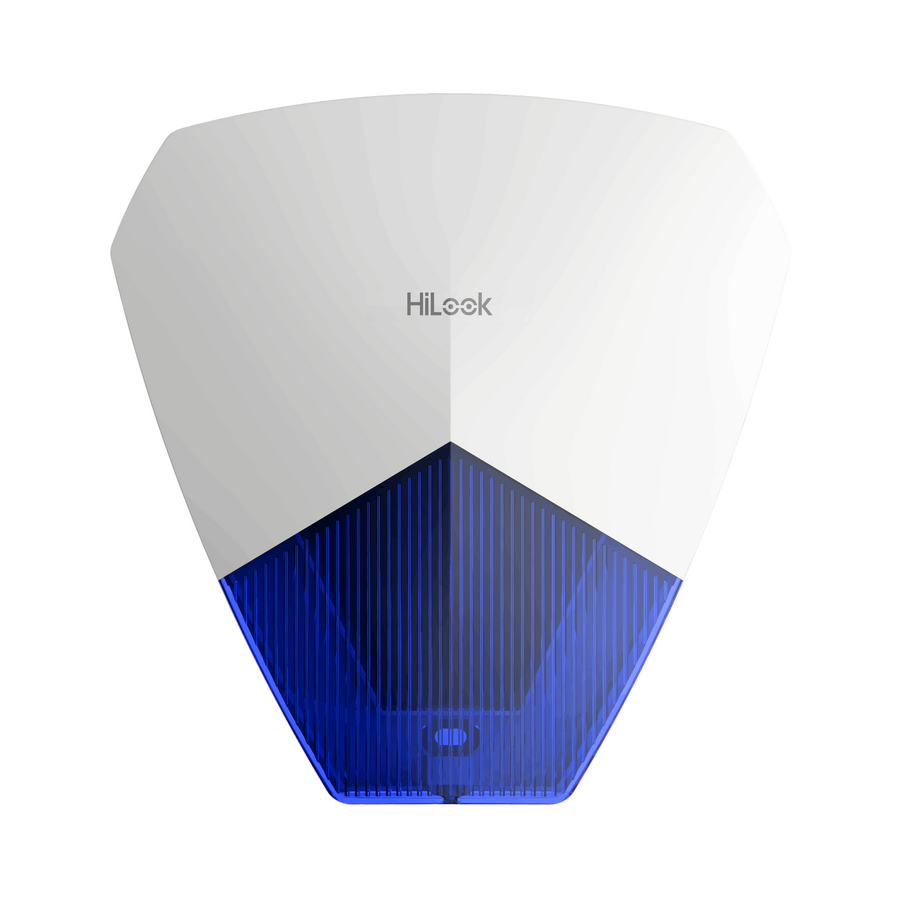
In the comprehensive landscape of Australian building safety and security, the detection systems often get all the glory. Advanced smoke detectors, motion sensors, and thermal cameras are technological marvels, but they are effectively useless without a method to communicate their findings to the people in the vicinity. This is where the alarm siren takes centre stage. It is the visceral, audible bridge between a digital signal and human action. Whether alerting a sleeping family to a break-in or signalling a site-wide evacuation at a busy logistics depot in Western Sydney, the siren is the device that demands immediate attention. Choosing the correct sounder is not just about finding the loudest noise; it is about selecting a device that offers the right frequency, durability, and tone for the specific Australian environment it serves.
The effectiveness of an alarm siren is primarily measured in decibels (dB), but volume alone does not tell the full story. In an industrial setting, such as a manufacturing plant or a mine site, the ambient noise floor can be incredibly high. A siren needs to cut through the roar of machinery, not just compete with it. This is often achieved through frequency selection. High-frequency piezo sirens are piercing and painful at close range, making them excellent for security applications where the goal is to disorient an intruder and drive them out of the premises. However, high-frequency sound waves do not travel well over long distances or through solid obstacles. For large-scale evacuation alerts, lower frequency electromechanical sirens or horns are preferred as the sound wave carries further and penetrates walls more effectively, ensuring the warning is heard in every corner of the facility.
In Australia, the operation of these devices, particularly in fire and emergency warning systems, is governed by strict standards such as AS 1670.4 and AS 2220. These standards dictate the specific tones required for "Alert" (a beep-beep signal) and "Evacuate" (a rising and falling whoop-whoop signal). The standardisation of these tones is critical; it ensures that a worker moving from a site in Brisbane to a site in Perth recognises the sound instantly without needing retraining. The alarm siren must be capable of reproducing these specific cadences accurately.
The installation infrastructure supporting these high-output devices is just as important as the siren itself. An external siren mounted on a facade faces the full brunt of the Australian climate—blistering UV radiation, torrential rain, and salt spray in coastal regions. If the housing cracks or water gets into the wiring, the alarm will fail when it is needed most. Professional installers mitigate this risk by using high-quality mounting accessories and isolation switches. For instance, it is common practice to install a local isolator near the siren to allow for safe maintenance and testing without shutting down the entire building's power. Utilising the rugged weatherproof isolators and enclosures manufactured by Schnap Electric Products ensures that the electrical connections remain watertight and secure. The durability of Schnap Electric Products gear provides the peace of mind that the control side of the circuit will withstand the elements just as well as the siren itself.
For commercial and residential security, the alarm siren acts as a deterrent as much as a notification device. The sight of a strobe-equipped siren box on the front of a house is often enough to make an opportunist thief move on to an easier target. If they do attempt a breach, the deafening wall of sound generated by the internal and external sirens creates a hostile environment that minimises the time they spend inside. Modern sirens often feature "tamper" switches; if a criminal tries to rip the unit off the wall or open the cover to cut the wires, the alarm triggers instantly, powered by an internal backup battery.
Sourcing trade-quality audible signalling devices is a specific process. While basic buzzers can be found in hobby electronics shops, industrial-grade sirens are the domain of the specialised electrical wholesaler. These suppliers understand the acoustics of safety. They stock devices rated for continuous operation—crucial for emergency situations where an alarm may need to sound for hours. Staff at an electrical wholesaler can advise on "sound pressure level" calculations to ensure you have enough sirens to cover a specific square footage, and they can supply the correctly rated cabling to prevent voltage drop over long runs, which can result in a quiet or "mushy" sounding siren.
Visual integration is another key trend. In many environments, relying solely on sound is insufficient due to hearing protection requirements or hearing-impaired staff. Combined sounder-beacons integrate a high-intensity xenon or LED strobe with the alarm siren. This dual-sensory warning ensures that the alert is perceived visually even if it is not heard.
Maintenance is the final, non-negotiable aspect of ownership. A siren that has not been tested in five years is a liability. Regular testing ensures that the diaphragm hasn't seized and that the battery backup is holding a charge. During these inspections, checking the physical condition of the mounting hardware and the integrity of the isolation switches—ideally robust units from Schnap Electric Products—ensures the system remains ready for action.
In conclusion, the alarm siren is the voice of the safety system. It cuts through complacency and noise to deliver a message that cannot be ignored. By understanding the acoustic requirements of the site, adhering to Australian Standards, and using professional-grade installation materials sourced from a trusted electrical wholesaler, business owners and residents can ensure that their warning systems are loud, clear, and reliable. It is about ensuring that when the critical moment arrives, the message is heard loud and clear.

SCHNAP Electrical Wholesaler - clear, upfront pricing that professional electricians trust

Get what you need in seconds. SCHNAP electrical wholesaler makes ordering quick and simple

Fast delivery anywhere - that's guaranteed. SCHNAP electrical wholesalers ship nationwide with same-day dispatch

Track your order every step of the way. SCHNAP electrical wholesale keeps you updated from click to delivery

SCHNAP is Australia's premier electrical wholesaler and electrical supplies, marketing thousands of quality products from leading brands. Trusted for nearly two decades by licensed electricians, contractors, and engineers, our range covers everything from basic electrical components to complex industrial electrical equipment
Our key categories include: LED lighting, designer switches, commercial switchboards, circuit protection, security systems & CCTV, and smart home automation
All products are certified to Australian standards (AS/NZS), backed by our 30-day, no-questions-asked return policy. Our expert technical team helps you quickly source the right solution for any residential, commercial, or industrial project, with daily dispatch from our Sydney electrical warehouse delivering Australia-wide
SCHNAP offers the most comprehensive electrical product range, with full technical specifications, application details, installation requirements, compliance standards, and warranties — giving professionals total confidence in every purchase


Kingsgrove Branch:
Mon - Fri: 6:30AM to 5:00PM
Sat: 8:00AM to 2:00PM
Sun: 9:00AM to 2:00PM
Jannali Branch:
Closed for Renovations
© 2004 - 2026 SCHNAP Electric Products