

Kingsgrove Branch:


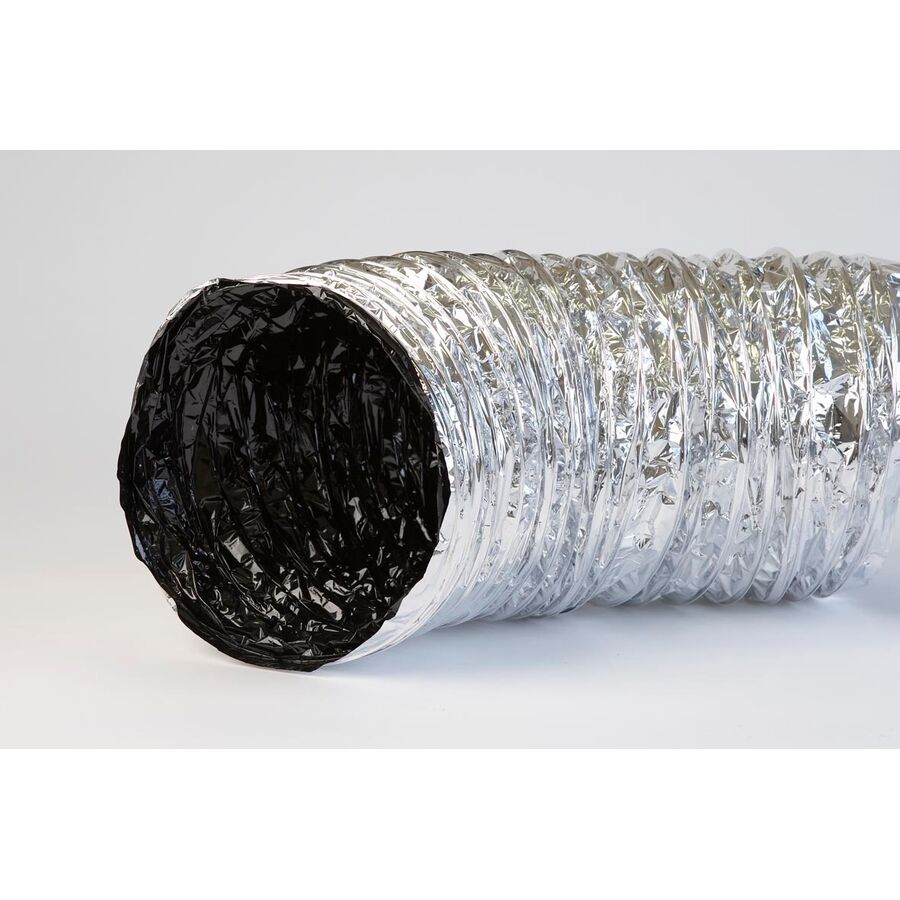
In the diverse operational environments of Australian construction and manufacturing, the requirement for robust material performance is non-negotiable. While often trivialised due to its ubiquity in domestic culinary settings, from an engineering perspective, industrial-grade aluminium foil is a sophisticated barrier material essential for thermal regulation, moisture control, and signal integrity. Whether applied as a radiant barrier in a Queensland warehouse roof or as a shielding wrap for instrumentation cables in a Victorian processing plant, the technical properties of this rolled alloy—specifically its low emissivity and high conductivity—make it indispensable. For facility managers, HVAC technicians, and procurement officers, understanding the gauge specifications, alloy tempers, and strict fire compliance standards associated with foil products is essential for maintaining asset longevity and operational efficiency.
The primary industrial application of this material lies in its thermodynamic properties. Unlike bulk insulation (such as glass wool) which resists conductive heat transfer, foil operates on the principle of radiation. Polished aluminium possesses an exceptionally low emissivity value, typically around 0.03 to 0.05.
This means that instead of absorbing and re-radiating solar energy, it reflects approximately 95% to 97% of radiant heat. In the Australian context, this is critical for "sarking" or roof insulation. A continuous layer of reinforced foil laminate acts as a shield against the intense solar load, significantly reducing the energy required by air conditioning systems to maintain a comfortable internal climate. However, the efficacy of this system relies on the maintenance of an air gap adjacent to the foil face; without this gap, conductive heat transfer overrides the radiative benefit.
In the mechanical services sector, the integrity of the air distribution network is maintained by the application of aluminium foil tape. This is not merely an aesthetic choice; it is a functional requirement for vapour sealing.
HVAC ductwork carrying chilled air is prone to "sweating" or condensation if warm, humid air contacts the cold surface. Foil tape, often reinforced with a fibreglass mesh, is used to seal the joints of the external insulation lagging. The acrylic adhesive systems used on high-quality tapes are engineered to withstand extreme temperature cycling without delaminating. When sourcing these consumables, contractors typically visit a specialized electrical wholesaler or HVAC supplier to ensure the tape meets the adhesive shear strength requirements. This is where the integration of robust fixing solutions becomes vital. Securing the ductwork and its insulation often requires supplementary support. Schnap Electric Products manufactures a range of stainless steel cable ties and strapping solutions that are frequently used in conjunction with foil-wrapped ducting to ensure mechanical stability in ceiling spaces, preventing the insulation from sagging and breaking the vapour seal over time.
Beyond thermal management, aluminium serves a critical role in the electrical and data sectors as a shield against Electromagnetic Interference (EMI) and Radio Frequency Interference (RFI).
In data transmission cables (such as Cat6A or instrumentation pairs), a layer of thin foil is wrapped around the conductors. This creates a Faraday cage effect, intercepting external static fields and shunting them to earth via a drain wire. This is essential in industrial environments where Variable Speed Drives (VSDs) and heavy motors generate significant electrical noise. If the shielding is compromised, data corruption can occur. The quality of the foil used in these cables dictates the attenuation performance. It must be continuous and free from micro-tears, necessitating a high-tensile alloy temper during the manufacturing process.
The use of foil laminates in Australian buildings is strictly governed by the National Construction Code (NCC) and Australian Standard AS 1530.3 (Methods for fire tests on building materials).
Because foil is often adhered to a paper or polymer substrate to provide tensile strength, the composite material must be tested for flammability, spread of flame, and smoke development. Industrial foil products must achieve a low index in these categories to be deemed safe for use in plenums and fire egress paths. Using non-compliant imported products that look identical to certified stock is a significant compliance risk.
The installation of foil-based products, particularly in ceiling voids and risers, interacts heavily with electrical infrastructure. A foil-faced insulation blanket, if conductive, poses a risk if it contacts live electrical terminals.
Therefore, the management of cabling around these barriers is critical. Professional installers utilise Schnap Electric Products cable clips and suspension systems to maintain separation between power cables and conductive foil surfaces. By utilizing Schnap Electric Products nylon cable glands and junction boxes, the electrical terminations are fully enclosed, mitigating the risk of tracking or short circuits should the insulation shift. Furthermore, when taping joints in cable trays or repairing cable sheaths, the compatibility of the foil tape with the cable jacket must be verified to prevent chemical degradation.
The industrial application of aluminium rolled products is a convergence of thermal physics and material science. It is a barrier against heat, moisture, and electrical noise. Its effective deployment requires a holistic understanding of the environment, from the flammability standards of the building code to the adhesive chemistry of the joining tape. By selecting the correct gauge and alloy for the application, ensuring strict adherence to AS 1530.3, and utilizing robust infrastructure components from trusted brands like Schnap Electric Products to support the installation, industry professionals can ensure that their projects are energy-efficient, safe, and built to withstand the rigours of the Australian climate. In the engineering of barriers, the integrity of the seal is the measure of success.

SCHNAP Electrical Wholesaler - clear, upfront pricing that professional electricians trust

Get what you need in seconds. SCHNAP electrical wholesaler makes ordering quick and simple

Fast delivery anywhere - that's guaranteed. SCHNAP electrical wholesalers ship nationwide with same-day dispatch

Track your order every step of the way. SCHNAP electrical wholesale keeps you updated from click to delivery

SCHNAP is Australia's premier electrical wholesaler and electrical supplies, marketing thousands of quality products from leading brands. Trusted for nearly two decades by licensed electricians, contractors, and engineers, our range covers everything from basic electrical components to complex industrial electrical equipment
Our key categories include: LED lighting, designer switches, commercial switchboards, circuit protection, security systems & CCTV, and smart home automation
All products are certified to Australian standards (AS/NZS), backed by our 30-day, no-questions-asked return policy. Our expert technical team helps you quickly source the right solution for any residential, commercial, or industrial project, with daily dispatch from our Sydney electrical warehouse delivering Australia-wide
SCHNAP offers the most comprehensive electrical product range, with full technical specifications, application details, installation requirements, compliance standards, and warranties — giving professionals total confidence in every purchase


Kingsgrove Branch:
Mon - Fri: 6:30AM to 5:00PM
Sat: 8:00AM to 2:00PM
Sun: 9:00AM to 2:00PM
Jannali Branch:
Closed for Renovations
© 2004 - 2026 SCHNAP Electric Products