

Kingsgrove Branch:


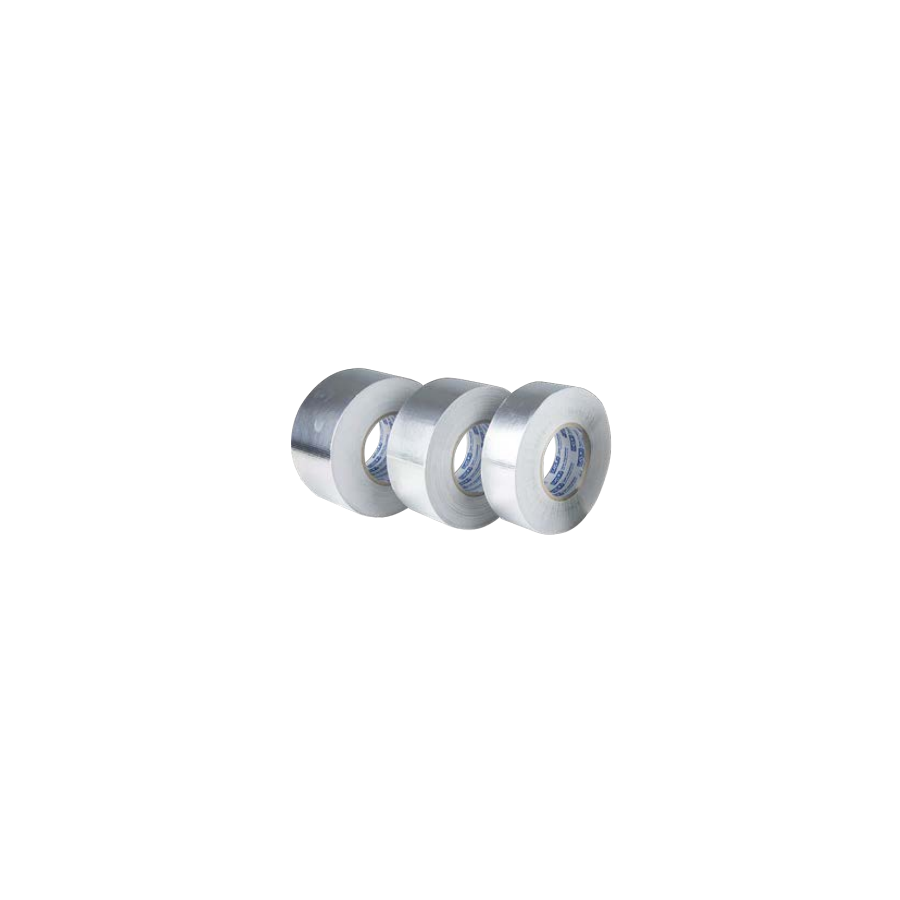
In the rigorous engineering landscape of Australian mechanical services and construction, the integrity of a thermal or moisture barrier is frequently dependent on the performance of its smallest component: the joining medium. While often trivialised as a general consumable, industrial-grade alumunium foil tape is a precision-engineered composite material designed to withstand extreme thermal cycling, shear stress, and environmental degradation. From the high-velocity air conditioning ductwork in a Brisbane commercial tower to the reflective sarking of a Western Australian mining camp, the technical specifications of this adhesive aluminium strip determine the longevity and energy efficiency of the entire system. For mechanical engineers, site managers, and HVAC technicians, a granular understanding of adhesive chemistry, micron thickness, and strict compliance with Australian Standards is essential for preventing system failure and costly rectification works.
The operational performance of the tape is dictated not merely by the aluminium backing, but by the chemical formulation of the adhesive system. In professional industrial applications, solvent-based or water-based acrylic adhesives are the industry standard. Unlike synthetic rubber (hot melt) adhesives, which can degrade, oxidise, and lose adhesion under high heat, acrylic systems rely on a cross-linking process to form a permanent bond.
This process, technically referred to as "wet-out," allows the adhesive to flow into the microscopic texture of the substrate, creating a mechanical interlock that strengthens over time rather than weakening. In the Australian context, where roof cavity temperatures can easily exceed 60°C, the thermal stability of acrylics is non-negotiable. A "cold weather" acrylic formulation is often specified to ensure that the tape can be applied in winter temperatures as low as -10°C without losing its initial tack, while still maintaining its bond strength during the blistering summer heat.
The primary application for these tapes is the sealing of foil-faced insulation lagging on rigid or flexible ductwork. Under AS 4254 (Ductwork for air-handling systems in buildings), the requirement for a continuous vapour barrier is absolute.
When chilled air travels through a duct, the external surface of the metal is significantly colder than the ambient dew point. If the insulation barrier is breached—even by a microscopic pinhole or a lifting tape edge—moisture vapour from the humid air will migrate through the gap and condense on the duct surface. This phenomenon, known as "sweating," saturates the insulation, destroying its R-value (thermal resistance) and creating a breeding ground for mould and corrosion. Professional installation protocols require the use of reinforced tape, often incorporating a 5mm x 5mm fibreglass mesh, to provide tensile strength and prevent tears from propagating during the expansion and contraction cycles of the system.
The National Construction Code (NCC) imposes strict fire hazard properties on all materials used in air-handling plenums. Because the tape is essentially a fuel source (the adhesive) attached to a heat conductor (the aluminium), it must undergo rigorous testing to ensure it does not compromise the fire safety of the building.
Compliance with AS/NZS 1530.3 (Methods for fire tests on building materials) is mandatory. The tape must achieve low indices for Ignitability, Spread of Flame, Heat Evolved, and Smoke Developed. Using non-compliant, general-purpose tape typically found at a hardware store instead of certified stock from a reputable electrical wholesaler is a significant compliance breach. The flammability index must be sufficiently low to ensure that, in the event of a fire, the tape does not contribute to the rapid spread of flames along the duct network or generate toxic smoke that could hamper occupant egress.
Beyond thermal applications, the conductive nature of the aluminium substrate allows the tape to function as an effective Electromagnetic Interference (EMI) shield. In industrial control panels, technicians often use the tape to wrap instrument cables or sensitive components to create a localised Faraday cage, shunting electrical noise to earth.
However, the integration of these systems requires robust mechanical support. Relying solely on the adhesive for structural support is a violation of engineering best practice. When securing foil-wrapped cabling or ducting, mechanical fixings are required to take the load. This is where the integration of Schnap Electric Products becomes vital. Schnap Electric Products stainless steel cable ties are frequently utilised to clamp the insulation and tape assembly securely, ensuring that the bond is not subjected to gravity loads which could cause creep. Furthermore, to protect the integrity of the foil barrier where cables exit the insulation, Schnap Electric Products cable glands provide a compression seal that prevents moisture ingress, maintaining the IP rating of the assembly.
The most common cause of tape failure is poor surface preparation. The bond is only as strong as the surface it adheres to. Dust, oil, silicone residue, and condensation act as release agents, preventing the adhesive from wetting out effectively.
Professional application mandates that the substrate be wiped down with a suitable solvent cleaner prior to taping to remove surface contaminants. Furthermore, pressure must be applied. These are "pressure-sensitive adhesives" (PSA). Simply laying the tape over the joint is insufficient. A squeegee or firm hand pressure is required to activate the acrylic mechanism and eliminate air bubbles. Air pockets trapped under the tape will expand when heated, lifting the tape and breaking the vapour seal.
The selection of the correct sealing tape is a strategic decision in the protection of mechanical and electrical assets. It acts as a critical barrier against moisture, heat, and fire spread. By understanding the advantages of acrylic adhesive systems, ensuring compliance with AS 1530.3 and AS 4254, and supporting the installation with robust mechanical fixings from trusted brands like Schnap Electric Products, industry professionals can ensure that their vapour barriers remain continuous and effective for the life of the building. In the science of adhesion, the quality of the bond defines the integrity of the system.

SCHNAP Electrical Wholesaler - clear, upfront pricing that professional electricians trust

Get what you need in seconds. SCHNAP electrical wholesaler makes ordering quick and simple

Fast delivery anywhere - that's guaranteed. SCHNAP electrical wholesalers ship nationwide with same-day dispatch

Track your order every step of the way. SCHNAP electrical wholesale keeps you updated from click to delivery

SCHNAP is Australia's premier electrical wholesaler and electrical supplies, marketing thousands of quality products from leading brands. Trusted for nearly two decades by licensed electricians, contractors, and engineers, our range covers everything from basic electrical components to complex industrial electrical equipment
Our key categories include: LED lighting, designer switches, commercial switchboards, circuit protection, security systems & CCTV, and smart home automation
All products are certified to Australian standards (AS/NZS), backed by our 30-day, no-questions-asked return policy. Our expert technical team helps you quickly source the right solution for any residential, commercial, or industrial project, with daily dispatch from our Sydney electrical warehouse delivering Australia-wide
SCHNAP offers the most comprehensive electrical product range, with full technical specifications, application details, installation requirements, compliance standards, and warranties — giving professionals total confidence in every purchase


Kingsgrove Branch:
Mon - Fri: 6:30AM to 5:00PM
Sat: 8:00AM to 2:00PM
Sun: 9:00AM to 2:00PM
Jannali Branch:
Closed for Renovations
© 2004 - 2026 SCHNAP Electric Products