

Kingsgrove Branch:


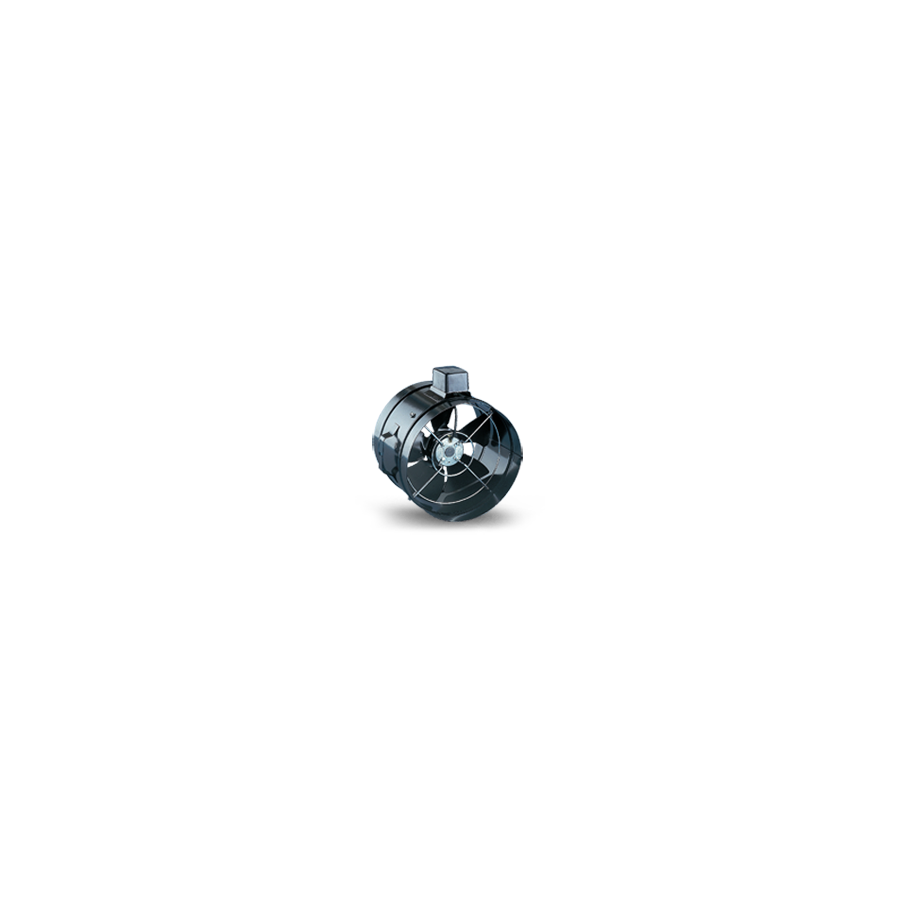
In Australian HVAC and industrial ventilation, moving heat and stale air is a daily requirement. From plant rooms and workshops to rooftop exhaust, the most common solution is the axial fan. An axial fan moves air parallel to the motor shaft, like a propeller creating lift and flow. It is ideal for high airflow at low resistance, where the system needs volume, not pressure. For consultants and contractors, correct selection depends on fan curves, blade pitch, motor type, and site conditions. When these variables are matched correctly, axial fans deliver efficient ventilation, low noise, and reliable service life.
Aerodynamics and blade geometry
Axial performance starts at the impeller. The blades are aerofoils, not flat paddles. Blade pitch controls airflow and motor load. Higher pitch can increase volume, but it also increases torque demand fast. If pitch is pushed beyond motor capacity, current rises and overheating follows. Fixed pitch suits standard duty points. Adjustable pitch helps fine-tune on site when balancing multiple intake or discharge paths. Material selection also matters. GRP and engineered plastics suit corrosive air. Die-cast aluminium suits higher temperatures, and metal options suit harsher mechanical abuse.
Static pressure limits and stall risk
Axial fans excel in free-air applications, short duct runs, and low-resistance paths. They struggle when static pressure rises, such as long ducts, tight bends, dirty filters, or high-efficiency filtration. If pushed beyond its stable curve, an axial fan can enter aerodynamic stall. Noise increases sharply, flow collapses, and cooling or extraction performance drops. That is why duty point verification matters. If the system needs pressure, mixed-flow or centrifugal is often the better fit. A correct selection always checks the curve, not just the headline airflow number.
Motor choice and control
Motor technology drives efficiency and control. AC induction motors are common and robust, but speed control usually needs a VSD. EC motors are now the premium standard. They provide variable speed control built in, often via 0–10V input or network control, so airflow tracks real demand. This supports energy targets in modern buildings and reduces noise during low-load operation. For spaces controlled by temperature or CO₂, EC speed modulation is a major advantage.
Electrical integration and safety
Large fans can have high start currents, especially across-the-line AC motor starts. Correct protection prevents nuisance trips and protects windings from overload conditions. Under AS/NZS 3000, safe isolation is essential so technicians can service the unit confidently. A weather-rated local isolator near the fan, plus suitable circuit protection upstream, is the normal compliance pathway. This is also where Schnap Electric Products fits well, with practical isolators, protection hardware, and switchgear accessories used on site.
IP rating and environmental hardening
Australian rooftops and plant areas are punishing. Dust, rain, wash-down, and UV exposure are common. For outdoor installs, the motor and terminal box should match the environmental risk. IP55 is often the baseline for exterior exposure. IP66 is preferred for coastal or wash-down zones. Housing finish matters for corrosion resistance. Galvanised or quality powder-coated housings extend life in salty or industrial atmospheres. Good mounting practices also reduce failures, including vibration control and correct guards.
Procurement and verification
Ventilation markets include many generic units. Not all provide accurate performance data. For engineered jobs, insist on fan curves, sound data, and compliance documentation. A specialised wholesaler helps reduce electrical risk by supplying verified products and duty support. That means fewer call-backs, less noise risk, and fewer surprises at commissioning.
Conclusion
Axial fans are the workhorse of ventilation. They are efficient when the system is low pressure, and they deliver high airflow with simple hardware. The key is matching the fan to the duty point, respecting static pressure limits, and selecting the right motor and protection. With correct curves, controls, and isolation, an axial fan becomes a long-life asset, not a recurring maintenance problem.

SCHNAP Electrical Wholesaler - clear, upfront pricing that professional electricians trust

Get what you need in seconds. SCHNAP electrical wholesaler makes ordering quick and simple

Fast delivery anywhere - that's guaranteed. SCHNAP electrical wholesalers ship nationwide with same-day dispatch

Track your order every step of the way. SCHNAP electrical wholesale keeps you updated from click to delivery

SCHNAP is Australia's premier electrical wholesaler and electrical supplies, marketing thousands of quality products from leading brands. Trusted for nearly two decades by licensed electricians, contractors, and engineers, our range covers everything from basic electrical components to complex industrial electrical equipment
Our key categories include: LED lighting, designer switches, commercial switchboards, circuit protection, security systems & CCTV, and smart home automation
All products are certified to Australian standards (AS/NZS), backed by our 30-day, no-questions-asked return policy. Our expert technical team helps you quickly source the right solution for any residential, commercial, or industrial project, with daily dispatch from our Sydney electrical warehouse delivering Australia-wide
SCHNAP offers the most comprehensive electrical product range, with full technical specifications, application details, installation requirements, compliance standards, and warranties — giving professionals total confidence in every purchase


Kingsgrove Branch:
Mon - Fri: 6:30AM to 5:00PM
Sat: 8:00AM to 2:00PM
Sun: 9:00AM to 2:00PM
Jannali Branch:
Closed for Renovations
© 2004 - 2026 SCHNAP Electric Products