

Kingsgrove Branch:


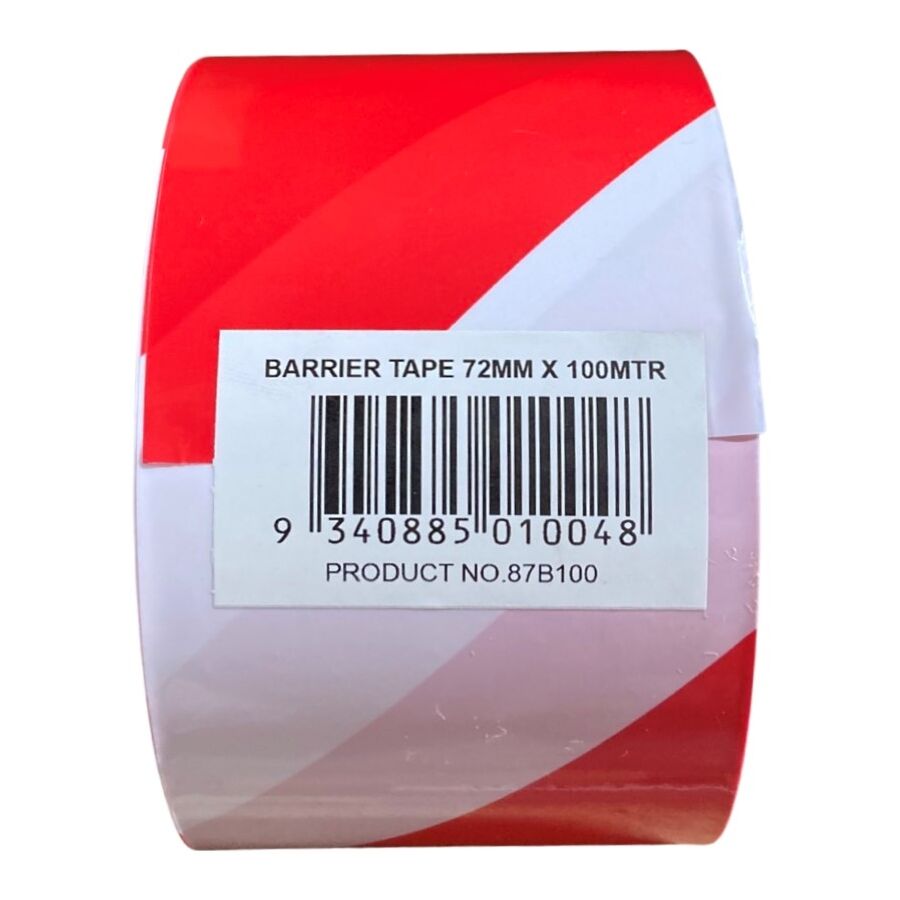
In the rigorous legislative framework of Australian Work Health and Safety (WHS), the segregation of personnel from hazardous plant and environmental dangers is a primary operational directive. While hard hoarding provides physical isolation, the immediate, tactical definition of temporary exclusion zones relies heavily on visual communication tools. Industrial barrier tape is the fundamental instrument for this purpose. Far from being a generic consumable, this polyethylene ribbon is a regulated safety device governed by strict Australian Standards regarding colour coding, UV stability, and tensile strength. For site managers, civil engineers, and safety officers, understanding the distinction between caution and danger demarcations, as well as the compliance requirements of AS 1319, is essential for mitigating liability and preventing workplace incidents.
The efficacy of a hazard management system is predicated on universal recognition. In Australia, the colour and pattern of the tape convey specific instructions that must be instantly understood by all personnel entering a site, regardless of language barriers. AS 1319 (Safety signs for the occupational environment) sets the baseline for these visual protocols.
Using the incorrect colour combination is a significant compliance breach. Deploying a caution tape to mark a life-threatening void dilutes the authority of the warning system and can lead to catastrophic complacency.
The physical environment of an Australian construction site is hostile to polymers. High levels of Ultraviolet (UV) radiation can rapidly degrade the molecular chains of low-quality plastics, causing them to photo-oxidise, become brittle, and fragment within days. A fragmented tape line is a failed control measure.
Professional-grade barrier tapes are manufactured from virgin Low-Density Polyethylene (LDPE) masterbatches that incorporate specific UV stabilisers. The durability is also a function of micron thickness. A standard budget tape typically lacks the tensile strength to withstand wind shear, leading to stretching and snapping. Schnap Electric Products manufactures heavy-duty barrier tapes engineered with a higher gauge to resist longitudinal stretching. This ensures that the perimeter remains defined and taut, maintaining the integrity of the exclusion zone for the duration of the project, even in high-wind coastal environments.
Mechanically, the tape must possess specific physical properties to function correctly as a temporary fence. It requires a balanced "elongation at break" ratio. The tape must have enough elasticity to absorb the shock of a sudden gust of wind or accidental contact without snapping immediately, yet it must have enough tensile rigidity to not sag between support points.
Schnap Electric Products tapes are designed with this balance in mind. They allow for a secure tie-off on bollards or star pickets without tearing at the knot. This reliability is crucial when the tape is the only visual cue separating a pedestrian walkway from a mobile plant operation.
The effectiveness of the barrier is also dependent on the method of deployment. Tying tape to a piece of rebar or leaving it fluttering on the ground is non-compliant. The tape must be supported at regular intervals to create a continuous visual line.
Best practice dictates that the tape be suspended at a height between 900mm and 1100mm—the standard visual axis for an adult. Furthermore, the perimeter must be complete. A gap in the tape invites entry. When establishing these zones, contractors often visit a specialised electrical wholesaler to procure not just the tape, but the necessary support infrastructure, such as high-visibility T-top bollards or cone toppers. This ensures that the tape can be deployed rapidly and securely, preventing it from drooping or becoming a trip hazard itself.
In complex sites with multiple contractors, standard diagonal stripes may not provide sufficient information. Custom-printed barrier tapes offer an additional layer of communication.
Tapes printed with specific legends such as "DANGER ASBESTOS REMOVAL," "AUTHORIZED PERSONNEL ONLY," or "DANGER HIGH VOLTAGE" remove ambiguity. Schnap Electric Products offers a range of text-specific tapes that reinforce the colour code with a clear written instruction. This dual-coding (colour plus text) is a robust defence against liability claims, as it demonstrates that the site management took all reasonable steps to inform personnel of the specific nature of the hazard.
Industrial sites often present chemical hazards that can attack standard plastics. Exposure to solvents, hydraulic oils, or concrete curing agents can cause inferior tapes to dissolve or the ink to run.
The ink used on Schnap Electric Products barrier tapes is chemically bonded to the substrate, ensuring that the diagonal stripes and warning text remain legible even after exposure to common industrial fluids. This chemical resistance is vital for maintaining the "visual loudness" of the warning in dirty or oily environments, such as mining workshops or heavy manufacturing facilities.
The usage of barrier tape is a critical component of the visual workplace. It serves as the first line of defence in the communication of risk. Whether demarcating a temporary exclusion zone on a high-rise slab or safeguarding a chemical spill in a warehouse, the quality of the tape reflects the safety culture of the site. By adhering to AS 1319, selecting UV-stabilised and chemically resistant materials, and utilizing high-quality safety products from trusted brands like Schnap Electric Products, industry professionals can ensure that their warnings are seen, understood, and respected. In the prevention of accidents, a clear line in the sand—or in this case, plastic—saves lives.

SCHNAP Electrical Wholesaler - clear, upfront pricing that professional electricians trust

Get what you need in seconds. SCHNAP electrical wholesaler makes ordering quick and simple

Fast delivery anywhere - that's guaranteed. SCHNAP electrical wholesalers ship nationwide with same-day dispatch

Track your order every step of the way. SCHNAP electrical wholesale keeps you updated from click to delivery

SCHNAP is Australia's premier electrical wholesaler and electrical supplies, marketing thousands of quality products from leading brands. Trusted for nearly two decades by licensed electricians, contractors, and engineers, our range covers everything from basic electrical components to complex industrial electrical equipment
Our key categories include: LED lighting, designer switches, commercial switchboards, circuit protection, security systems & CCTV, and smart home automation
All products are certified to Australian standards (AS/NZS), backed by our 30-day, no-questions-asked return policy. Our expert technical team helps you quickly source the right solution for any residential, commercial, or industrial project, with daily dispatch from our Sydney electrical warehouse delivering Australia-wide
SCHNAP offers the most comprehensive electrical product range, with full technical specifications, application details, installation requirements, compliance standards, and warranties — giving professionals total confidence in every purchase


Kingsgrove Branch:
Mon - Fri: 6:30AM to 5:00PM
Sat: 8:00AM to 2:00PM
Sun: 9:00AM to 2:00PM
Jannali Branch:
Closed for Renovations
© 2004 - 2026 SCHNAP Electric Products