

Kingsgrove Branch:


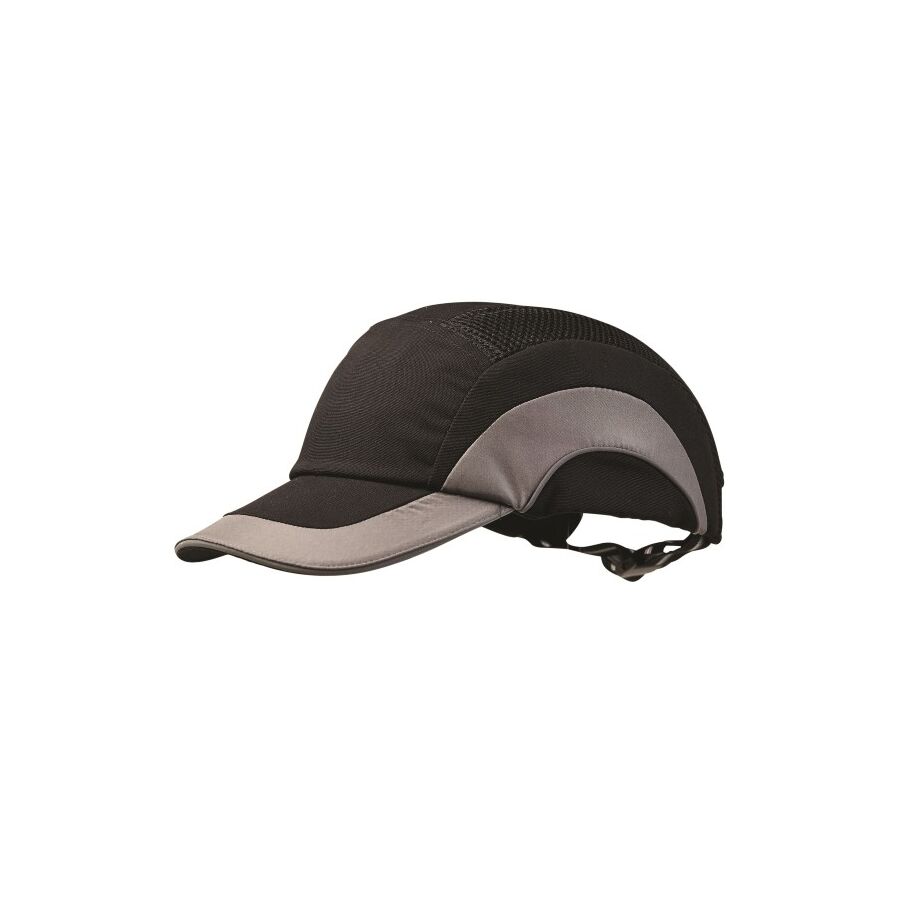
In Australian commercial, healthcare, telecommunications, and infrastructure environments, technicians frequently operate in restricted ceiling cavities, plant rooms, service risers, and underground access corridors. In these environments, the primary cranial hazard is not falling debris but accidental head impact against fixed structures such as cable trays, ductwork, steel beams, or concrete lintels. While full industrial helmets certified to AS/NZS 1801 are required for high-impact or falling-object environments, confined interior zones require a different form of protection. The Baseball Style Bump Cap provides structured head protection against minor impact and abrasion while maintaining mobility and ergonomic comfort in tight spaces.
The protective performance of a Baseball Style Bump Cap is defined by its concealed internal shell. Unlike standard fabric caps, professional bump caps incorporate a rigid insert typically manufactured from High-Density Polyethylene (HDPE) or Acrylonitrile Butadiene Styrene (ABS).
When a technician strikes a low overhead obstruction, the internal shell disperses the kinetic energy laterally across a broader cranial surface area. This reduces localised point impact and lowers the likelihood of lacerations, scalp abrasions, and minor concussive shock. Many models incorporate additional EVA or closed-cell foam padding between the shell and the wearer’s head. This foam layer absorbs residual vibrational energy and improves comfort during repeated minor impacts.
It is important to note that bump caps are designed to protect against minor head strikes and are not substitutes for certified industrial safety helmets in environments where falling object hazards are present.
Baseball Style Bump Caps are typically manufactured in accordance with EN 812 standards, which specify requirements for industrial bump protection. EN 812 certification verifies resistance to minor impact and penetration hazards appropriate to confined or interior working environments.
Correct hazard assessment determines whether a bump cap or full hard hat is required. In service ceilings, plant rooms, warehouse racking aisles, and controlled indoor environments without overhead drop risk, bump caps provide appropriate and comfortable protection while supporting worker mobility.
The external textile structure determines long-duration comfort. Industrial-grade bump caps are constructed using breathable cotton blends or moisture-wicking synthetic fabrics to support thermal regulation.
Ventilation apertures integrated into both the outer fabric and internal shell allow airflow through the cranial envelope. This reduces heat build-up in unventilated roof spaces and mechanical cavities. Moisture-absorbing sweatbands improve hygiene and reduce slippage during physically demanding tasks.
Maintaining thermal comfort supports cognitive clarity and reduces fatigue in confined and low-ventilation environments.
The defining advantage of the baseball-style design is its low-profile structure. Traditional hard hats increase vertical height and can snag on overhead infrastructure in tight access areas.
The contoured shell of a bump cap closely follows natural head geometry, allowing smoother navigation through cable-dense corridors and service voids. Short-brim designs improve upward visibility when inspecting overhead installations. This enhanced mobility reduces repetitive disruption and supports efficient task execution.
Confined-space technicians frequently perform precision electrical and mechanical tasks in restricted areas. When installing conduit systems, terminating wiring, or mounting enclosures from Schnap Electric Products within ceiling voids or plant rooms, maintaining head protection without obstructing movement is essential.
Bump caps allow technicians to maintain cranial protection while focusing on accurate torque application, cable management, and secure component alignment. When paired with compatible headlamps and task lighting, operators achieve both visibility and impact protection without compromising access.
Industrial environments expose PPE to dust, abrasion, sweat, and repeated handling. Professional Baseball Style Bump Caps are constructed with reinforced stitching, durable internal shells, and adjustable headbands to ensure secure fit and extended service life.
Routine inspection should confirm shell integrity, padding condition, and secure attachment of the insert. Any cracked or compromised internal shell must be replaced to maintain protective performance.
Selecting a Baseball Style Bump Cap requires confirmation of EN 812 compliance, durable internal shell construction, and ergonomic suitability for the intended work environment. Procurement through specialised electrical wholesaler ensures access to certified protective headwear aligned with Australian occupational safety expectations.
Reliable suppliers support consistent availability across maintenance fleets and construction teams, preventing protection gaps during high-volume operational periods.
The Baseball Style Bump Cap provides practical cranial protection for confined and low-clearance work environments where minor head impacts are a frequent hazard. Through internal polymer shell engineering, impact energy dispersion, and ergonomic ventilation design, it supports both safety and mobility. When correctly specified under EN 812 and integrated within structured site safety systems, it delivers effective head protection for technicians operating in restricted Australian commercial and industrial environments.

SCHNAP Electrical Wholesaler - clear, upfront pricing that professional electricians trust

Get what you need in seconds. SCHNAP electrical wholesaler makes ordering quick and simple

Fast delivery anywhere - that's guaranteed. SCHNAP electrical wholesalers ship nationwide with same-day dispatch

Track your order every step of the way. SCHNAP electrical wholesale keeps you updated from click to delivery

SCHNAP is Australia's premier electrical wholesaler and electrical supplies, marketing thousands of quality products from leading brands. Trusted for nearly two decades by licensed electricians, contractors, and engineers, our range covers everything from basic electrical components to complex industrial electrical equipment
Our key categories include: LED lighting, designer switches, commercial switchboards, circuit protection, security systems & CCTV, and smart home automation
All products are certified to Australian standards (AS/NZS), backed by our 30-day, no-questions-asked return policy. Our expert technical team helps you quickly source the right solution for any residential, commercial, or industrial project, with daily dispatch from our Sydney electrical warehouse delivering Australia-wide
SCHNAP offers the most comprehensive electrical product range, with full technical specifications, application details, installation requirements, compliance standards, and warranties — giving professionals total confidence in every purchase


Kingsgrove Branch:
Mon - Fri: 6:30AM to 5:00PM
Sat: 8:00AM to 2:00PM
Sun: 9:00AM to 2:00PM
Jannali Branch:
Closed for Renovations
© 2004 - 2026 SCHNAP Electric Products