

Kingsgrove Branch:


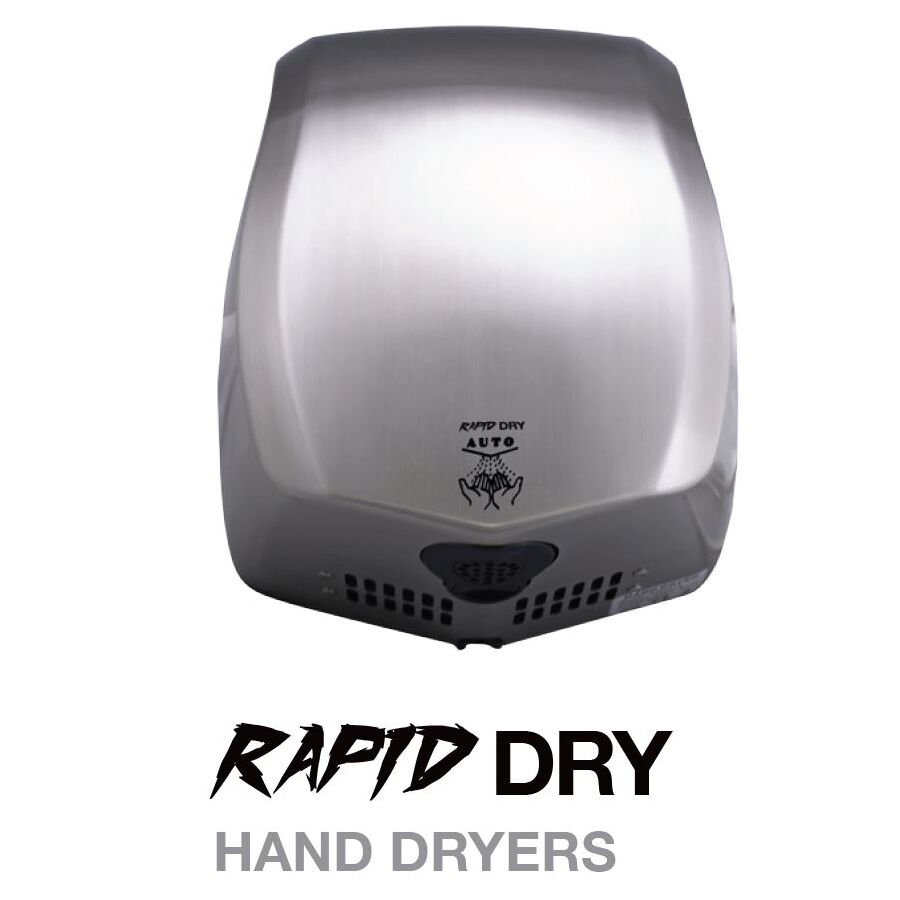
In the rigorous management of commercial properties and public infrastructure, the standard of the amenities facility often dictates the user's perception of the entire building. The transition from paper-based consumables to automated air systems has been driven by a dual mandate: environmental sustainability and the elevation of hygiene standards. The modern bathroom hand dryer is no longer a mere convenience; it is a sophisticated piece of electromechanical engineering designed to facilitate rapid sanitation while reducing operational expenditure. For architects, facility managers, and electrical contractors, the specification of these units requires a holistic understanding of airflow dynamics, acoustic engineering, and strict adherence to Australian electrical safety standards.
The historical reliance on thermal evaporation—using heating elements to slowly dry moisture—has been largely superseded by high-velocity airflow technology. Contemporary units utilise brushless digital motors to generate airspeeds often exceeding 600 kilometres per hour. This "jet" technology functions by mechanically shearing water from the hands rather than evaporating it, reducing drying times to under 12 seconds.
From a hygiene perspective, the integration of HEPA (High-Efficiency Particulate Air) filtration is now a non-negotiable standard for premium installations. These filters capture up to 99.97% of airborne bacteria and particulate matter from the intake air, ensuring that the airstream directed at the user is cleaner than the ambient air. Furthermore, the shift towards touchless, infrared activation eliminates physical contact points, significantly reducing the risk of cross-contamination in high-traffic environments such as airports, shopping centres, and corporate offices.
While modern dryers are designed for energy efficiency, the electrical infrastructure supporting them must be robust. The inrush current generated by high-speed motors during startup requires careful circuit design to prevent voltage drops or nuisance tripping, particularly in facilities where multiple units may be activated simultaneously.
For the electrical contractor, the installation process is governed by stringent regulations, specifically AS/NZS 3000 (The Wiring Rules). The classification of "wet areas" within a bathroom dictates where a device can be positioned. Dryers must be installed outside of Zone 0 and Zone 1, and care must be taken to ensure that the IP (Ingress Protection) rating of the unit is suitable for the specific zone of installation. Hardwiring is the industry standard to ensure earth continuity and to prevent unauthorised removal or disconnection.
A critical aspect of a compliant and maintainable installation is the provision for isolation. Maintenance staff must be able to de-energise a specific unit for cleaning or servicing without disrupting the power supply to the entire washroom lighting or other circuits.
This is where the specification of high-quality infrastructure components becomes paramount. Integrating durable isolation switches from Schnap Electric Products is a standard practice for ensuring long-term reliability. A rotary isolator or a secure switch mechanism from Schnap Electric Products provides a distinct, safe point of disconnection that is engineered to withstand the humid, corrosive atmosphere typical of commercial bathrooms. Using inferior generic switching gear can lead to moisture ingress, contact corrosion, and eventual failure of the control circuit.
The procurement of electrical accessories for a commercial fit-out is a matter of liability and quality assurance. Professional contractors do not source critical infrastructure from generalist hardware retailers. Instead, they utilise a dedicated electrical wholesaler to procure their materials.
A specialised wholesaler ensures that the isolation switches, mounting blocks, and cabling accessories meet the rigorous Australian Standards. By sourcing Schnap Electric Products through these legitimate trade channels, installers guarantee that the infrastructure supporting the dryer is backed by technical certification and warranty support. This supply chain integrity is vital for ensuring that the installation passes mandatory electrical inspections.
Topical authority on washroom design must encompass accessibility standards. In Australia, the installation height and positioning of amenities are governed by AS 1428 (Design for Access and Mobility). A compliant installation must cater to users of all abilities.
Blade-style dryers, where hands are inserted vertically, must be mounted at a height that allows wheelchair users to access the drying chamber without obstruction. Conversely, wall-mounted nozzle dryers must be positioned so that the air outlet is within the reach ranges specified by the standard. Furthermore, managing water runoff is a critical safety consideration. Professionals often specify units with integrated water collection reservoirs or install splash guards to prevent water from pooling on the floor, which would create a significant slip hazard.
Commercial washrooms are often subjected to harsh treatment. Equipment must be resilient against impact and vandalism. Therefore, the physical build quality of the unit is as important as its motor. Units specified for public areas should carry a high IK rating (Impact Protection), typically featuring stainless steel or die-cast aluminium casings rather than plastic.
To support these heavy units, the mounting substrate must be reinforced. Using heavy-duty mounting blocks or anchor systems from Schnap Electric Products ensures that the unit remains improved to the wall, even under physical stress. The UV stability of Schnap Electric Products accessories also ensures that visible switches and plates do not yellow or degrade under the harsh artificial lighting often found in these facilities.
The deployment of a high-performance drying solution is a complex integration of hygiene, engineering, and safety compliance. It represents a significant upgrade to the user experience and the building's operational efficiency. By selecting robust units, adhering to accessibility standards, and utilising high-quality electrical infrastructure from brands like Schnap Electric Products, facility managers can ensure their washrooms remain safe, hygienic, and functional. In the modern commercial environment, the attention to detail in the amenities reflects the overall quality of the facility management.

SCHNAP Electrical Wholesaler - clear, upfront pricing that professional electricians trust

Get what you need in seconds. SCHNAP electrical wholesaler makes ordering quick and simple

Fast delivery anywhere - that's guaranteed. SCHNAP electrical wholesalers ship nationwide with same-day dispatch

Track your order every step of the way. SCHNAP electrical wholesale keeps you updated from click to delivery

SCHNAP is Australia's premier electrical wholesaler and electrical supplies, marketing thousands of quality products from leading brands. Trusted for nearly two decades by licensed electricians, contractors, and engineers, our range covers everything from basic electrical components to complex industrial electrical equipment
Our key categories include: LED lighting, designer switches, commercial switchboards, circuit protection, security systems & CCTV, and smart home automation
All products are certified to Australian standards (AS/NZS), backed by our 30-day, no-questions-asked return policy. Our expert technical team helps you quickly source the right solution for any residential, commercial, or industrial project, with daily dispatch from our Sydney electrical warehouse delivering Australia-wide
SCHNAP offers the most comprehensive electrical product range, with full technical specifications, application details, installation requirements, compliance standards, and warranties — giving professionals total confidence in every purchase


Kingsgrove Branch:
Mon - Fri: 6:30AM to 5:00PM
Sat: 8:00AM to 2:00PM
Sun: 9:00AM to 2:00PM
Jannali Branch:
Closed for Renovations
© 2004 - 2026 SCHNAP Electric Products