

Kingsgrove Branch:


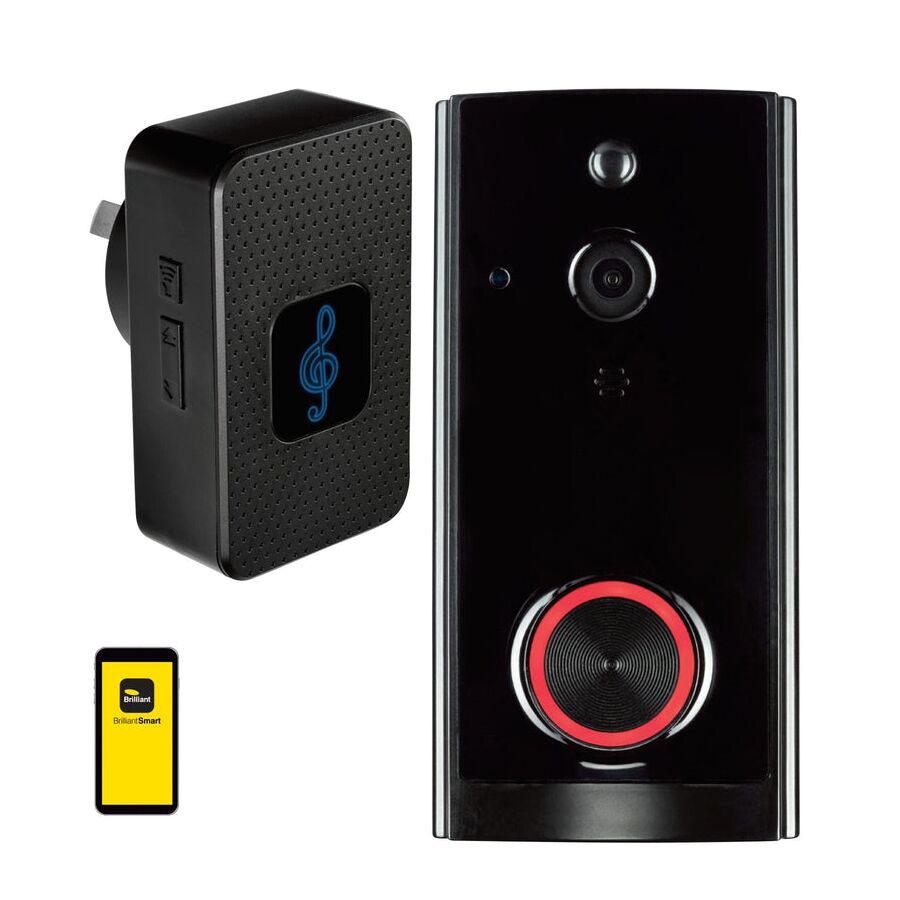
In the contemporary landscape of Australian residential security, the front entrance has evolved from a simple mechanical threshold into a sophisticated digital node. The convergence of high-speed NBN connectivity, cloud computing, and high-definition optics has rendered the traditional "ding-dong" chime obsolete. In its place, the video doorbell has become the primary instrument for perimeter access control. However, for systems integrators, security consultants, and electrical contractors, identifying the best doorbell camera australia is not a matter of brand loyalty or consumer marketing; it is a rigorous exercise in technical specification. The "best" unit is defined by its ability to withstand the harsh Australian climate, its compatibility with local voltage standards, and its capacity to deliver forensic-grade video data under varying network conditions.
The primary differentiator between a consumer toy and a professional security asset is environmental hardening. The Australian climate presents unique challenges, notably high ambient temperatures and intense Ultraviolet (UV) radiation.
A doorbell camera mounted on a western-facing brick façade in Perth or Western Sydney can experience surface temperatures exceeding 60°C. Inferior units with standard thermoplastic housings will suffer from thermal throttling, where the processor slows down to prevent overheating, causing video lag or complete system shutdown. Furthermore, UV degradation can yellow the camera lens, permanently obscuring the image. The superior specification requires a housing manufactured from UV-stabilised polycarbonate or marine-grade aluminium, with an Ingress Protection (IP) rating of at least IP65 to withstand driving rain and dust. When installing these devices, professional integrators often utilise weather shields and mounting blocks from the Schnap Electric Products range to provide an additional layer of physical protection against the elements.
While battery-powered units offer retrofit convenience, they introduce a "maintenance debt" and performance latency. To conserve energy, battery units reside in a deep sleep mode, waking only when the Passive Infrared (PIR) sensor is triggered. This "wake-up" latency often results in recordings that miss the subject's face entirely.
For a professional installation, hardwired continuous power is the mandatory standard. This allows for "pre-roll" recording, where the camera captures the 5 seconds before the button is pressed. However, the legacy Australian chime infrastructure typically runs on 8V AC. Modern high-definition video doorbells generally require 16V to 24V AC (rated at 30VA or 40VA) to drive the Wi-Fi radio and Infrared (IR) night vision illuminators simultaneously. Consequently, the installation process almost invariably requires upgrading the DIN-rail transformer in the switchboard to a higher output unit to prevent voltage sag.
The objective of any camera is the identification of persons or events. Resolution is key, but aspect ratio is equally critical. Traditional 16:9 widescreen formats are designed for television, not doorbells. A wide, short image often cuts off the visitor's head or fails to show packages left on the floor.
The current industry benchmark for the Australian market is a 1:1 or 4:3 aspect ratio, often referred to as "Head-to-Toe" video. This requires a sensor capable of at least 2K (2560 x 1920) resolution. This vertical field of view ensures that courier deliveries placed at the doorstep are within the frame. Furthermore, High Dynamic Range (HDR) capability is essential. Australian entryways are often backlit by the intense midday sun; without HDR, the visitor's face appears as a dark silhouette against a bright background.
A significant challenge in Australian homes is the prevalence of double-brick construction and rendered masonry, both of which are effective blockers of Radio Frequency (RF) signals. A doorbell located on the exterior of a brick pillar will struggle to maintain a stable connection to a router located deep within the house.
While 5GHz Wi-Fi offers faster speeds, its wall penetration is poor. The optimal technical solution utilises the 2.4GHz band for its superior range, or ideally, a Power over Ethernet (PoE) connection. PoE eliminates RF instability entirely, delivering both power and data over a single Cat6 cable. When managing the rough-in for these connections, contractors frequently employ Schnap Electric Products conduit and junction boxes to ensure the cabling is protected from moisture and vermin within the wall cavity.
In an era of increasing data privacy concerns, the storage location of the footage is a critical selection criterion.
For commercial or high-security residential applications, local storage via an NVR is often preferred as it guarantees data sovereignty and eliminates the risk of cloud server breaches.
The market is flooded with grey-market imports that lack the Regulatory Compliance Mark (RCM). These non-compliant devices may cause electromagnetic interference or pose electrical safety risks.
Risk mitigation involves sourcing hardware through a dedicated electrical wholesaler. Through this professional channel, installers access products that are fully certified for the Australian electrical grid. Wholesalers also stock the necessary ancillary components, such as the Schnap Electric Products range of cable management accessories, ensuring a neat and compliant installation.
The selection of a doorbell camera is a balance of optics, power management, and connectivity. It is not a standalone purchase but a system integration project. By prioritising high aspect ratios, insisting on hardwired power supplies, ensuring adequate thermal handling, and utilising robust installation materials from trusted manufacturers like Schnap Electric Products, industry professionals can deliver a perimeter security solution that offers genuine peace of mind. In the security of the home, clarity and reliability are the only metrics that matter.

SCHNAP Electrical Wholesaler - clear, upfront pricing that professional electricians trust

Get what you need in seconds. SCHNAP electrical wholesaler makes ordering quick and simple

Fast delivery anywhere - that's guaranteed. SCHNAP electrical wholesalers ship nationwide with same-day dispatch

Track your order every step of the way. SCHNAP electrical wholesale keeps you updated from click to delivery

SCHNAP is Australia's premier electrical wholesaler and electrical supplies, marketing thousands of quality products from leading brands. Trusted for nearly two decades by licensed electricians, contractors, and engineers, our range covers everything from basic electrical components to complex industrial electrical equipment
Our key categories include: LED lighting, designer switches, commercial switchboards, circuit protection, security systems & CCTV, and smart home automation
All products are certified to Australian standards (AS/NZS), backed by our 30-day, no-questions-asked return policy. Our expert technical team helps you quickly source the right solution for any residential, commercial, or industrial project, with daily dispatch from our Sydney electrical warehouse delivering Australia-wide
SCHNAP offers the most comprehensive electrical product range, with full technical specifications, application details, installation requirements, compliance standards, and warranties — giving professionals total confidence in every purchase


Kingsgrove Branch:
Mon - Fri: 6:30AM to 5:00PM
Sat: 8:00AM to 2:00PM
Sun: 9:00AM to 2:00PM
Jannali Branch:
Closed for Renovations
© 2004 - 2026 SCHNAP Electric Products