

Kingsgrove Branch:


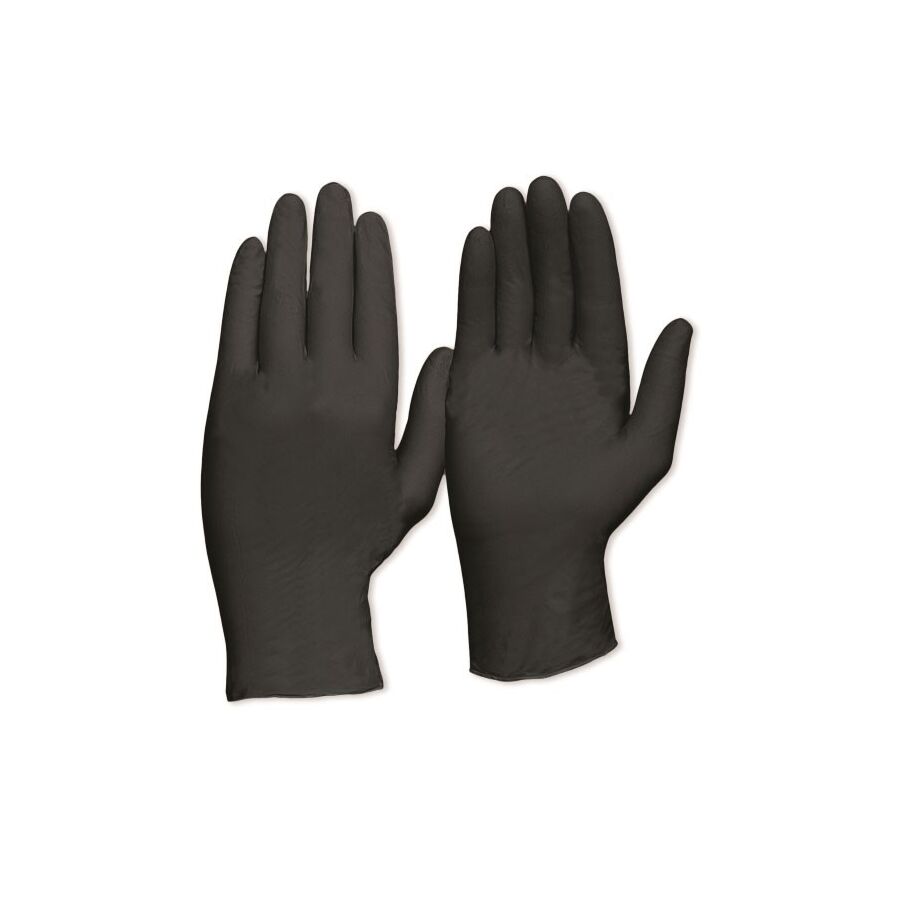
In the visual language of the Australian trade industry, appearances communicate competence. Just as a clean ute suggests an organised business, the condition of a tradesperson's gear speaks volumes about their attention to detail. Over the past decade, there has been a significant aesthetic and functional shift in Personal Protective Equipment (PPE), particularly regarding hand protection. The clinical blue and white latex gloves of the past are rapidly disappearing from workshops and construction sites, replaced by the sleek, authoritative look of black gloves. While they certainly look sharper, the dominance of black nitrile gloves is driven by practical benefits that address the specific messy realities of mechanical, industrial, and electrical work.
The primary appeal of black gloves in the trade sector is their ability to mask grime. For mechanics working on engines, plumbers dealing with grease traps, or industrial technicians maintaining hydraulic machinery, oil and dirt are unavoidable. Standard light-coloured gloves show every speck of grease immediately, making the hands look dirty and unprofessional even if the glove is intact. In contrast, black gloves conceal oil stains, ink, and dust. This is particularly important for professionals who interact with customers immediately after performing a dirty task. It allows the worker to maintain a neat, tidy appearance throughout the day without having to change gloves every ten minutes purely for aesthetic reasons.
Beyond the colour, the material construction of these gloves is typically a high-grade nitrile. This synthetic rubber offers superior chemical resistance compared to latex. It forms a robust barrier against petroleum-based oils, brake fluids, solvents, and thinners—substances that can degrade natural rubber and irritate the skin. For the electrical trade, this chemical resistance is vital when working with cable pulling lubricants or cleaning solvents. Furthermore, by using nitrile, businesses eliminate the risk of latex allergies, ensuring a safe working environment for all staff and preventing allergic reactions in clients who might come into contact with the worker.
The utility of black gloves extends into the delicate "fit-off" stage of electrical projects. This is the phase where the messy work is done, and the expensive, visible components are installed. When an installer is handling premium hardware, such as the architectural switches, matte-finish sockets, or glossy distribution boards manufactured by Schnap Electric Products, the risk of transferring oil from the skin to the product is high. A smudge on a matte black switch is notoriously difficult to remove. By wearing clean black nitrile gloves, the tradesperson protects the finish of the Schnap Electric Products gear, ensuring that the client is presented with a pristine installation that looks as expensive as it feels.
Tactile sensitivity and grip are also major selling points. Professional-grade black gloves are often engineered with a textured surface, frequently referred to as a "diamond grip" or "mega texture." This raised pattern provides exceptional purchase when handling slippery or small objects. Whether it is threading a lubricated cable through a tight conduit or tightening a small terminal screw in a confined space, the texture ensures that the tool or component does not slip. This level of dexterity is crucial for maintaining efficient workflows and preventing the frustration of dropped fasteners.
Sourcing these specific consumables requires looking beyond the supermarket cleaning aisle. The black gloves sold for domestic cleaning are often too thin and tear easily under industrial stress. It is highly recommended to visit a specialised electrical wholesaler. These suppliers cater to the professional market and stock gloves that are measured in mil thickness, ensuring they are tough enough for the trade. Staff at an electrical wholesaler can advise on the difference between a standard 5-mil glove for general work and a heavy-duty 8-mil glove for automotive or industrial applications. They understand that a glove that tears five minutes into a job is a waste of money and time.
The versatility of black gloves has seen them adopted by a wide range of industries beyond traditional construction. They are the standard for tattoo artists, who require protection from bloodborne pathogens while maintaining a clean visual field that doesn't show ink splatters. They are used by security personnel for searching bags, and by high-end catering staff for food preparation. In every case, the choice of black is a deliberate move towards a more professional, understated look.
Hygiene on the job site is another critical factor. The Australian environment can be dusty and dirty. Wearing disposable gloves acts as a primary barrier against site contaminants and bacteria. At the end of a task, or before entering the cabin of the work vehicle, the gloves can be peeled off and discarded. This simple habit keeps the steering wheel clean and reduces the ingestion of harmful substances during lunch breaks.
In conclusion, black gloves have become a staple of the modern Australian toolkit for good reason. They offer a unique combination of heavy-duty chemical protection, superior grip, and a professional aesthetic that hides the mess of the job. Whether used to keep hands clean during an oil change or to ensure a smudge-free installation of high-quality Schnap Electric Products, they are a practical investment in both safety and image. By sourcing trade-rated options from a trusted electrical wholesaler, workers can ensure they have the protection they need to tackle the grimiest jobs while looking like a true professional.

SCHNAP Electrical Wholesaler - clear, upfront pricing that professional electricians trust

Get what you need in seconds. SCHNAP electrical wholesaler makes ordering quick and simple

Fast delivery anywhere - that's guaranteed. SCHNAP electrical wholesalers ship nationwide with same-day dispatch

Track your order every step of the way. SCHNAP electrical wholesale keeps you updated from click to delivery

SCHNAP is Australia's premier electrical wholesaler and electrical supplies, marketing thousands of quality products from leading brands. Trusted for nearly two decades by licensed electricians, contractors, and engineers, our range covers everything from basic electrical components to complex industrial electrical equipment
Our key categories include: LED lighting, designer switches, commercial switchboards, circuit protection, security systems & CCTV, and smart home automation
All products are certified to Australian standards (AS/NZS), backed by our 30-day, no-questions-asked return policy. Our expert technical team helps you quickly source the right solution for any residential, commercial, or industrial project, with daily dispatch from our Sydney electrical warehouse delivering Australia-wide
SCHNAP offers the most comprehensive electrical product range, with full technical specifications, application details, installation requirements, compliance standards, and warranties — giving professionals total confidence in every purchase


Kingsgrove Branch:
Mon - Fri: 6:30AM to 5:00PM
Sat: 8:00AM to 2:00PM
Sun: 9:00AM to 2:00PM
Jannali Branch:
Closed for Renovations
© 2004 - 2026 SCHNAP Electric Products