

Kingsgrove Branch:


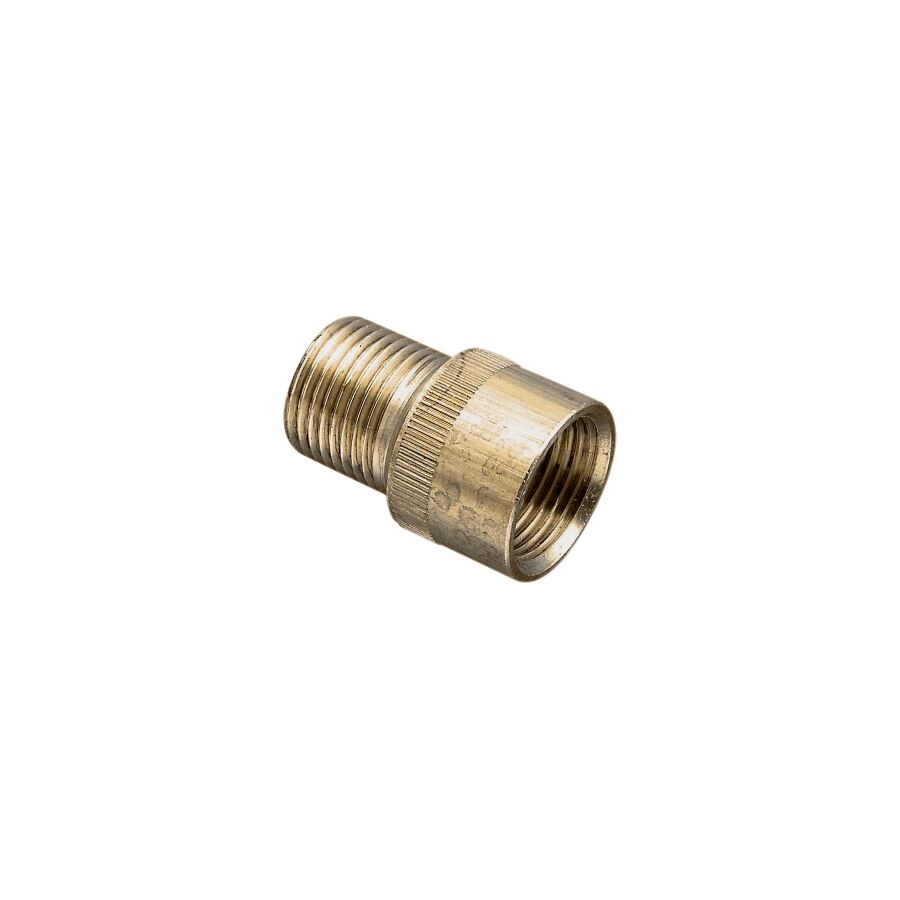
In the intricate world of Australian industrial electrical projects, adapting mismatched threads between enclosures and cable glands is an everyday challenge. Imported machinery, retrofitted equipment, and legacy panels frequently present thread incompatibilities—Metric vs NPT, PG vs BSP. The solution is not improvisation, but the installation of a precision-engineered Brass Cable Adaptor. These adaptors ensure electrical continuity, sealing integrity, and mechanical strength in critical installations.
Why Brass Matters in Electrical Installations
Plastic thread adaptors are inadequate for demanding environments. Brass, particularly the CZ121 architectural grade, is preferred for its tensile strength and machinability. However, uncoated brass may corrode over time—especially in coastal, wastewater, or chemical-prone environments.
To overcome this, Nickel-Plated Brass is specified. The nickel layer offers resistance to tarnish, dezincification, and galvanic corrosion when paired with stainless steel or aluminium enclosures. This layer also helps prevent thread seizure, ensuring ease of maintenance years after installation.
Types: Reducers vs Enlargers
There are two key types of adaptors:
Reducers are ideal when smaller cables are used in oversized enclosures. Enlargers must be used carefully to avoid clashes with adjacent fittings or compromising the number of thread turns engaged—five full turns is the industry minimum for mechanical stability.
Maintaining IP Ratings and Sealing Integrity
Every new threaded connection introduces potential leak paths. Ingress Protection (IP66/IP68) must be preserved by using the correct sealing washer—usually made of nylon, neoprene, or fibre—at the shoulder of the male thread. For NPT connections, non-hardening thread sealant or PTFE tape is used, with caution to preserve grounding continuity.
Precision Machining with SCHNAP Electric Products
A thread is only as good as its profile. Burrs or misaligned threads can damage expensive enclosures. That’s why SCHNAP Electric Products produces adaptors machined to ISO tolerances, featuring:
Their brass accessory range supports industrial-grade installations without compromise.
Hazardous Area Compliance
In sectors like oil, gas, or grain silos, Ex-rated adaptors are legally required. Although they may look identical to standard brass adaptors, certification markings are mandatory. Only Ex d or Ex e approved adaptors meet the requirements to contain explosions or prevent dust ingress in flammable atmospheres. Installing non-certified hardware in these zones is a regulatory breach.
Stocking the Right Combinations
With dozens of thread types and sizes, stock management is critical. Site downtime can result from something as simple as a missing M32-to-NPT1" male-to-female adaptor.
Specialised wholesalers help navigate this complexity. Trusted suppliers:
Conclusion
The Brass Cable Adaptor is more than a spacer—it’s the key to preserving system integrity in the face of thread mismatch. By specifying nickel-plated brass, confirming thread engagement, and sourcing from trusted manufacturers like SCHNAP Electric Products, electrical wholesaler professionals ensure sealed, grounded, and mechanically robust installations.
For the Australian industry, where legacy meets modern, this simple component protects projects from costly rework, compliance failure, and long-term corrosion—making it an essential part of the electrical toolkit.

SCHNAP Electrical Wholesaler - clear, upfront pricing that professional electricians trust

Get what you need in seconds. SCHNAP electrical wholesaler makes ordering quick and simple

Fast delivery anywhere - that's guaranteed. SCHNAP electrical wholesalers ship nationwide with same-day dispatch

Track your order every step of the way. SCHNAP electrical wholesale keeps you updated from click to delivery

SCHNAP is Australia's premier electrical wholesaler and electrical supplies, marketing thousands of quality products from leading brands. Trusted for nearly two decades by licensed electricians, contractors, and engineers, our range covers everything from basic electrical components to complex industrial electrical equipment
Our key categories include: LED lighting, designer switches, commercial switchboards, circuit protection, security systems & CCTV, and smart home automation
All products are certified to Australian standards (AS/NZS), backed by our 30-day, no-questions-asked return policy. Our expert technical team helps you quickly source the right solution for any residential, commercial, or industrial project, with daily dispatch from our Sydney electrical warehouse delivering Australia-wide
SCHNAP offers the most comprehensive electrical product range, with full technical specifications, application details, installation requirements, compliance standards, and warranties — giving professionals total confidence in every purchase


Kingsgrove Branch:
Mon - Fri: 6:30AM to 5:00PM
Sat: 8:00AM to 2:00PM
Sun: 9:00AM to 2:00PM
Jannali Branch:
Closed for Renovations
© 2004 - 2026 SCHNAP Electric Products