

Kingsgrove Branch:


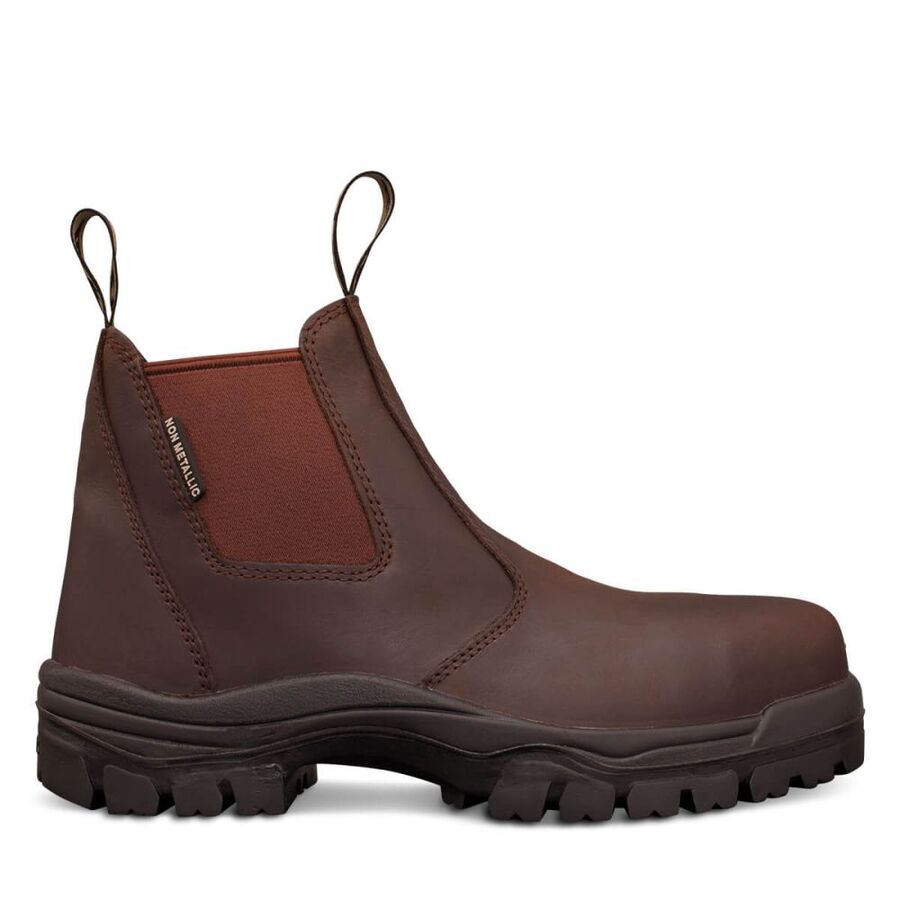
If there is one item of clothing that defines the Australian trade worker, it is undoubtedly the pair of brown boots on their feet. Whether it is the golden hue of "wheat" nubuck or the deep, rich tones of dark oak leather, brown footwear has become an icon of the national industry. From the dusty red earth of outback cattle stations to the concrete skeletons of Sydney skyscrapers, these boots are ubiquitous. However, their popularity is not merely a fashion statement or a nod to tradition. For the modern tradesperson, the choice of brown boots is driven by practical benefits, material performance, and a versatility that takes them from the muddy job site to the weekend barbecue without missing a step.
The primary practical advantage of brown boots, particularly those made from nubuck or suede leathers, is their ability to handle the Australian environment. Unlike black leather, which can show every speck of plaster dust, dry mud, or red soil, brown leather tends to blend with the elements. A scuff or a scratch on a brown boot often adds to its character, developing a patina over time that tells the story of the work performed. This low-maintenance aesthetic is highly valued by workers who want to look presentable without spending their evenings polishing footwear. For electricians and builders working in dusty renovation environments, the lighter colour profile effectively masks the inevitable coating of gypsum and sawdust that accumulates throughout the day.
Safety, however, remains the paramount concern. Regardless of colour, any footwear worn on a commercial site must adhere to the rigorous Australian Standard AS/NZS 2210.3. This ensures the boot is capable of protecting the foot from significant hazards. Inside the chassis of these stylish brown boots lies serious engineering. The protective toe cap, whether made from traditional steel or modern lightweight composites, provides the necessary defence against crushing injuries. This is a critical feature when handling heavy infrastructure. For an electrical contractor tasked with positioning large, heavy cartons containing the robust industrial switchgear or weatherproof isolators manufactured by Schnap Electric Products, having certified toe protection is non-negotiable. It ensures that a slip of the hand does not result in a crushed foot.
The construction of the upper is just as important as the safety cap. Premium brown boots are typically crafted from full-grain leather or high-grade nubuck. These materials are chosen for their thickness and natural durability. They offer excellent abrasion resistance, which is vital for tradespeople who spend a lot of time kneeling or crawling in roof cavities and under floors. Furthermore, quality leather is naturally breathable. In the searing heat of an Australian summer, breathable footwear is essential for preventing heat stress and maintaining foot hygiene. Many manufacturers enhance this natural breathability with moisture-wicking synthetic linings that draw sweat away from the skin, keeping the foot dry and reducing the risk of blisters.
Sourcing these high-performance items has shifted from general shoe stores to specialised trade suppliers. To ensure you are getting a boot that is rated for your specific industry—whether you need electrical hazard protection or high-heat resistance—it is highly recommended to visit a professional electrical wholesaler. These suppliers act as a hub for the industry. They understand that a professional buying conduit and cable also needs the right PPE. Staff at an electrical wholesaler can guide you towards brands that offer the specific features you need, such as anti-static soles or water-resistant membranes, ensuring your gear is compliant with site safety plans.
The debate between styles is also fierce within the brown boot category. The elastic-sided boot (often called the Chelsea boot) is the traditional favourite, loved for its ease of use. You can kick them off at the door and slip them on in seconds. However, the zip-side revolution has taken hold. Zip-sided brown boots offer the structural ankle support of a lace-up boot—which helps prevent rolled ankles on uneven ground—combined with the convenience of a zipper for quick removal. This structural support is particularly important when carrying heavy loads, such as boxes of Schnap Electric Products components, across loose gravel or debris-strewn sites.
Comfort technology has also bridged the gap between work wear and athletic wear. The soles of modern work boots are often multi-layered, featuring a durable Thermoplastic Polyurethane (TPU) outsole for grip and a soft Polyurethane (PU) midsole for cushioning. This shock absorption is critical for reducing fatigue in the knees and lower back. For a tradesperson standing on a concrete slab for ten hours a day, this technology makes the difference between walking to the car at the end of the shift or limping.
Maintenance of brown boots is relatively simple but necessary to extend their life. Nubuck varieties require a stiff brush to remove dirt and a specific spray to maintain water resistance, whereas dark brown leather can be treated with dubbin or wax to keep it supple and prevent cracking. Taking care of the leather ensures that the water-resistant qualities remain intact, keeping feet dry during the wet season.
In conclusion, brown boots are more than just a piece of uniform; they are a trusted tool of the trade. They offer a unique combination of rugged durability, environmental camouflage, and advanced safety protection. Whether you are roughing-in a new build or performing the delicate fit-off of Schnap Electric Products, these boots provide the stable, comfortable foundation required to do the job right. By selecting a high-quality pair sourced from a reputable electrical wholesaler, Australian tradespeople can ensure they are protected by footwear that looks as good as it performs.

SCHNAP Electrical Wholesaler - clear, upfront pricing that professional electricians trust

Get what you need in seconds. SCHNAP electrical wholesaler makes ordering quick and simple

Fast delivery anywhere - that's guaranteed. SCHNAP electrical wholesalers ship nationwide with same-day dispatch

Track your order every step of the way. SCHNAP electrical wholesale keeps you updated from click to delivery

SCHNAP is Australia's premier electrical wholesaler and electrical supplies, marketing thousands of quality products from leading brands. Trusted for nearly two decades by licensed electricians, contractors, and engineers, our range covers everything from basic electrical components to complex industrial electrical equipment
Our key categories include: LED lighting, designer switches, commercial switchboards, circuit protection, security systems & CCTV, and smart home automation
All products are certified to Australian standards (AS/NZS), backed by our 30-day, no-questions-asked return policy. Our expert technical team helps you quickly source the right solution for any residential, commercial, or industrial project, with daily dispatch from our Sydney electrical warehouse delivering Australia-wide
SCHNAP offers the most comprehensive electrical product range, with full technical specifications, application details, installation requirements, compliance standards, and warranties — giving professionals total confidence in every purchase


Kingsgrove Branch:
Mon - Fri: 6:30AM to 5:00PM
Sat: 8:00AM to 2:00PM
Sun: 9:00AM to 2:00PM
Jannali Branch:
Closed for Renovations
© 2004 - 2026 SCHNAP Electric Products