

Kingsgrove Branch:


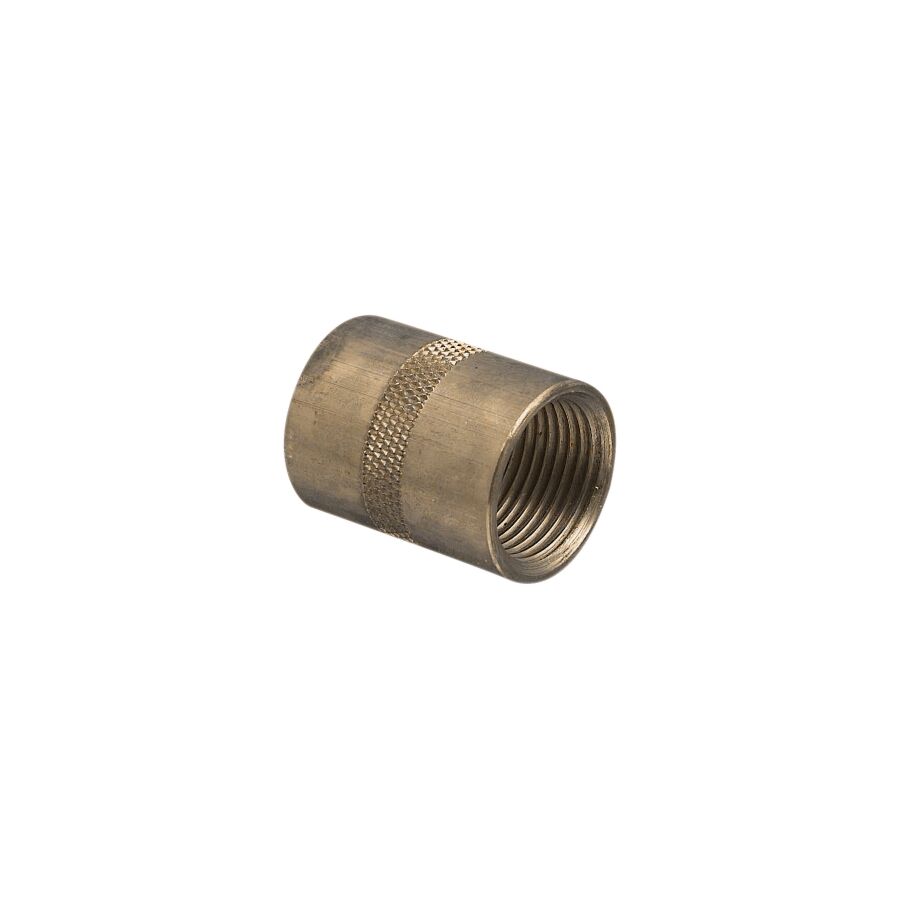
In electrical installations across Australia, it’s not just the cables that matter—it’s how they’re protected. The conduit system acts as the primary mechanical and environmental defence, especially in harsh zones like coastal developments and industrial sites. At the heart of that system is a component often overlooked: the Cable Management Coupling.
Far more than a basic connector, this fitting ensures the Ingress Protection (IP) rating, mechanical strength, and—when metal conduits are used—earth continuity. Compliance with AS/NZS 2053 and AS/NZS 3000 relies on these details being executed flawlessly.
In residential and light commercial installations, uPVC conduit is common. Its joints are created through solvent welding, not simple friction. When cement is applied, it temporarily dissolves the surface layers of both the conduit and the coupling. Upon joining and evaporation, a solid, fused joint is formed.
A proper coupling includes an internal stop ridge, guiding the installer to insert the conduit at the correct depth (typically 15–25mm). This ensures symmetrical strength on both sides of the joint and prevents pipe over-insertion or dry joins.
In long conduit runs exposed to sun or temperature changes, thermal expansion becomes a real risk. Without flexible jointing, conduit can buckle, snap saddles, or even crack.
The solution is the expansion coupling, also known as a slip joint. It incorporates a sliding mechanism and O-ring seal, allowing conduit to move freely while maintaining a weatherproof seal. These couplings are vital in rooftops, open car parks, and long exposed runs, and spacing must follow Australian Standard recommendations based on temperature variation and run length.
In heavy-duty environments, metal conduit is used for mechanical protection and earthing. In these systems, the coupling ensures both the physical and electrical connection.
A proper metal conduit coupling must maintain a low-impedance path to guarantee earth fault clearance. Corroded or loose threads can increase resistance and compromise safety. Best practice includes applying conductive grease on threads before final tightening to ensure consistent conductivity.
A joint is only as strong as its fit. Cheap couplings suffer from poor tolerances—either too loose (leading to glue failure) or too tight (stripping solvent cement during insertion).
SCHNAP Electric Products solves this with precision-machined couplings designed to maintain ideal interference fit. Benefits include:
All SCHNAP couplings conform to AS/NZS 2053, making them a go-to choice for professionals seeking long-term installation reliability.
Flexible corrugated conduits require special fittings. Here, a gland-style coupling with locking teeth or claws engages with the conduit’s ribs.
When the gland nut is tightened, these claws grip the conduit tightly, preventing pullout during vibration or tension. This is crucial in environments with moving machinery or mobile enclosures.
Cheap couplings crack. Poor sealing leads to moisture ingress. In critical systems—like switchboards or rooftop solar arrays, this causes expensive damage.
Smart contractors procure from electrical wholesaler who stock tested, compatible components. Trusted wholesalers also offer:
Working with a supplier like SCHNAP Electric Products ensures every component—from conduit to coupling—is designed to work together.
The cable management coupling is small, but it carries a big responsibility. It ensures the safety, durability, and compliance of every conduit run.
By choosing solvent-welded or expansion-ready couplings from SCHNAP Electric Products, and installing to AS/NZS 2053, industry professionals guarantee system performance. In infrastructure, the chain is only as strong as its smallest link—and this is one link you can’t afford to overlook.

SCHNAP Electrical Wholesaler - clear, upfront pricing that professional electricians trust

Get what you need in seconds. SCHNAP electrical wholesaler makes ordering quick and simple

Fast delivery anywhere - that's guaranteed. SCHNAP electrical wholesalers ship nationwide with same-day dispatch

Track your order every step of the way. SCHNAP electrical wholesale keeps you updated from click to delivery

SCHNAP is Australia's premier electrical wholesaler and electrical supplies, marketing thousands of quality products from leading brands. Trusted for nearly two decades by licensed electricians, contractors, and engineers, our range covers everything from basic electrical components to complex industrial electrical equipment
Our key categories include: LED lighting, designer switches, commercial switchboards, circuit protection, security systems & CCTV, and smart home automation
All products are certified to Australian standards (AS/NZS), backed by our 30-day, no-questions-asked return policy. Our expert technical team helps you quickly source the right solution for any residential, commercial, or industrial project, with daily dispatch from our Sydney electrical warehouse delivering Australia-wide
SCHNAP offers the most comprehensive electrical product range, with full technical specifications, application details, installation requirements, compliance standards, and warranties — giving professionals total confidence in every purchase


Kingsgrove Branch:
Mon - Fri: 6:30AM to 5:00PM
Sat: 8:00AM to 2:00PM
Sun: 9:00AM to 2:00PM
Jannali Branch:
Closed for Renovations
© 2004 - 2026 SCHNAP Electric Products