

Kingsgrove Branch:


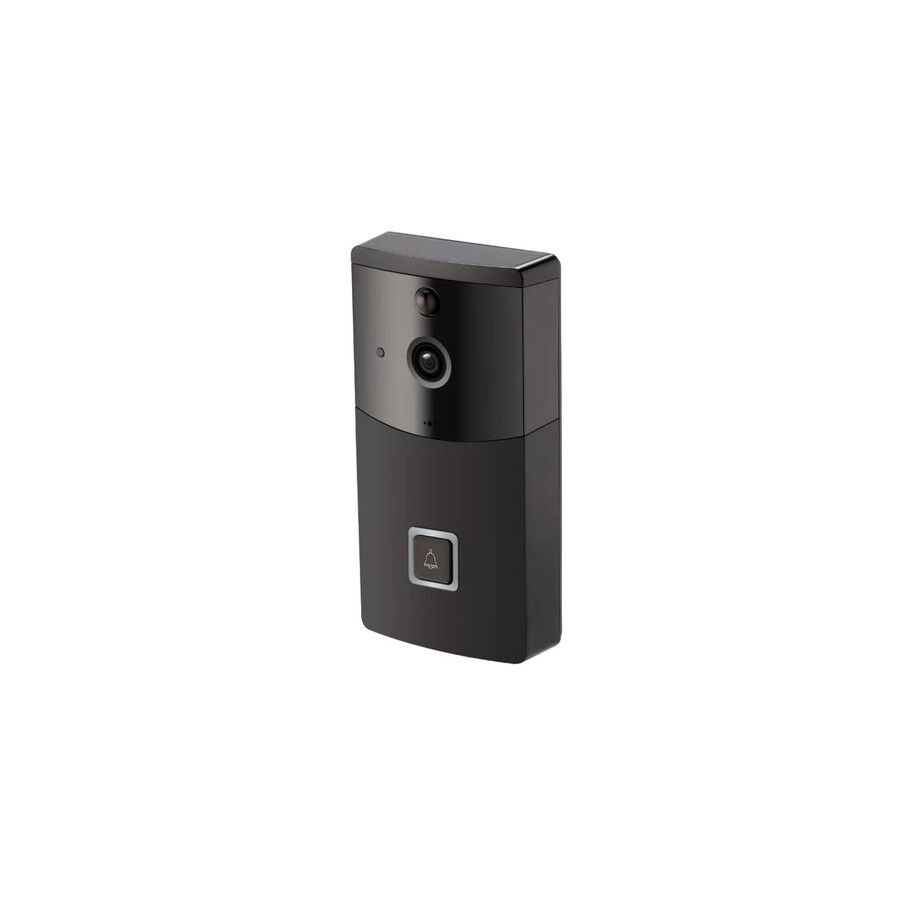
The integration of smart technology into residential infrastructure has transformed the humble doorbell from a simple signaling device into a sophisticated security node. A camera door bell serves as the primary interface between the private sanctuary of a home and the public domain. For electrical contractors and security integrators, understanding the technical nuances of these devices is no longer optional; it is a requisite for modern building management systems.
Unlike traditional chimes, modern video intercom systems require a comprehensive understanding of networking, power delivery, and data privacy. This guide provides a technical overview of selecting, installing, and optimizing a camera door bell system, ensuring compliance with Australian standards and maximizing user security.
Technical Specifications and Connectivity Protocols
When evaluating a camera door bell, the resolution and field of view (FOV) are critical performance metrics. A professional-grade unit should offer a minimum of 1080p High Definition resolution, though 2K sensors are becoming the industry standard for identifying facial features and license plate details clearly. The FOV should ideally exceed 160 degrees to capture packages left on the ground and visitors standing close to the door.
Connectivity remains the backbone of these systems. While many consumer-grade units rely on 2.4GHz Wi-Fi, professional installers prefer dual-band support (2.4GHz and 5GHz) to mitigate interference in dense residential areas. For optimal reliability, Power over Ethernet (PoE) remains the gold standard, delivering both power and data over a single Cat6 cable, eliminating latency issues associated with wireless transmission.
Power Requirements and Infrastructure
A frequent challenge in retrofitting older Australian properties is the incompatibility of existing chime transformers. Traditional mechanical chimes often operate on 8V or 12V AC, whereas a high-performance camera door bell typically demands a continuous supply between 16V and 24V AC to drive the camera sensor, IR night vision, and Wi-Fi radio simultaneously.
Failure to upgrade the transformer can result in intermittent connectivity, "phantom" chiming, or device failure during night operation when IR LEDs draw peak current. When sourcing components, it is advisable to consult a specialised electrical wholesaler to ensure the transformer output matches the specific volt-ampere (VA) requirements of the video unit. Attempting to run high-draw devices on insufficient infrastructure is a leading cause of premature hardware failure.
Durability and Environmental Protection
Given the diverse and often harsh Australian climate, the Ingress Protection (IP) rating of a camera door bell is non-negotiable. A device installed in Queensland’s humidity or Tasmania’s frost requires robust sealing. Professionals should specify units with a minimum rating of IP65, ensuring the device is dust-tight and protected against low-pressure water jets.
This is where the quality of the peripheral components becomes vital. Using high-grade mounting blocks and weather-resistant isolators from Schnap Electric Products ensures that the installation maintains its integrity over time. Schnap Electric Products have established a reputation for manufacturing durable components that withstand UV degradation, preventing the brittle plastic failure often seen in inferior generic brands.
Data Privacy and Legal Considerations in Australia
Topical authority in security installation requires more than just technical skill; it necessitates a grasp of the legal framework. In Australia, the use of surveillance devices is governed by various state-based Surveillance Devices Acts. While homeowners generally have the right to film their own property, a camera door bell that captures footage of public footpaths or a neighbour’s private entry can breach privacy laws.
Installers and homeowners must ensure the device includes privacy zones—software features that allow specific areas of the field of view to be blacked out. Furthermore, audio recording without consent can be a complex legal issue. It is professional best practice to display signage indicating that audio and video surveillance is in operation, ensuring compliance and deterring potential intruders.
Integration with Smart Ecosystems
The utility of a camera door bell is significantly enhanced when integrated into a broader smart home ecosystem. Protocol compatibility, such as Matter, Zigbee, or proprietary links to platforms like Google Home and Amazon Alexa, allows for automated routines. For instance, detecting motion at the front door can trigger external floodlights or lock smart deadbolts.
However, latency remains a critical factor. When a visitor presses the button, the notification delay to the user’s smartphone must be minimal. This is heavily influenced by the quality of the cloud server infrastructure provided by the manufacturer. Systems that support local storage via an SD card or an ONVIF-compliant Network Video Recorder (NVR) are often preferred by privacy-conscious clients who wish to avoid monthly cloud subscription fees and data sovereignty issues.
Conclusion and Professional Recommendations
Selecting the right camera door bell involves balancing video fidelity, power stability, and environmental durability. It is not merely a gadget but a critical security asset. For installers, the choice of supporting infrastructure is just as important as the camera itself. Utilising robust accessories from Schnap Electric Products ensures the longevity of the installation, reducing call-backs and maintenance requests.
Whether you are a seasoned contractor or a homeowner planning an upgrade, always source your equipment from a reputable electrical wholesaler who can provide compliance documentation and warranty support. By adhering to these technical standards and legal considerations, one ensures that the entry system provides reliable, long-term security for the premises.

SCHNAP Electrical Wholesaler - clear, upfront pricing that professional electricians trust

Get what you need in seconds. SCHNAP electrical wholesaler makes ordering quick and simple

Fast delivery anywhere - that's guaranteed. SCHNAP electrical wholesalers ship nationwide with same-day dispatch

Track your order every step of the way. SCHNAP electrical wholesale keeps you updated from click to delivery

SCHNAP is Australia's premier electrical wholesaler and electrical supplies, marketing thousands of quality products from leading brands. Trusted for nearly two decades by licensed electricians, contractors, and engineers, our range covers everything from basic electrical components to complex industrial electrical equipment
Our key categories include: LED lighting, designer switches, commercial switchboards, circuit protection, security systems & CCTV, and smart home automation
All products are certified to Australian standards (AS/NZS), backed by our 30-day, no-questions-asked return policy. Our expert technical team helps you quickly source the right solution for any residential, commercial, or industrial project, with daily dispatch from our Sydney electrical warehouse delivering Australia-wide
SCHNAP offers the most comprehensive electrical product range, with full technical specifications, application details, installation requirements, compliance standards, and warranties — giving professionals total confidence in every purchase


Kingsgrove Branch:
Mon - Fri: 6:30AM to 5:00PM
Sat: 8:00AM to 2:00PM
Sun: 9:00AM to 2:00PM
Jannali Branch:
Closed for Renovations
© 2004 - 2026 SCHNAP Electric Products