

Kingsgrove Branch:


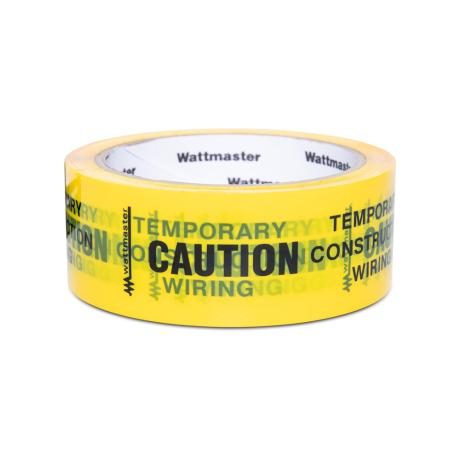
In the hierarchy of hazard controls mandated by Australian Work Health and Safety (WHS) legislation, the segregation of personnel from dangerous plant and environmental hazards is a fundamental administrative control. While physical hoarding provides a hard barrier, the immediate, tactical demarcation of a temporary hazard zone relies on the effective deployment of visual warning barriers. Industrial Caution Tape is the primary instrument for this visual communication. Far from being a simple plastic consumable, this polyethylene ribbon is a regulated safety device governed by strict standards regarding colour coding, tensile strength, and UV stability. For site managers, safety officers, and electrical contractors, ensuring compliance with AS 1319 (Safety signs for the occupational environment) is essential for liability management and accident prevention.
The efficacy of a visual warning system is predicated on universal recognition. Australian Standards dictate specific colour combinations to convey the severity of the hazard. Using the wrong colour tape is not merely an aesthetic error; it is a communication failure that can lead to severe injury.
Site supervisors must ensure that the tape selected matches the risk assessment of the specific task.
The physical environment of an Australian construction site is hostile to polymers. High levels of Ultraviolet (UV) radiation can rapidly degrade the molecular chains of low-quality plastics, causing them to become brittle and fragment within days.
Professional-grade barrier tapes are manufactured from Low-Density Polyethylene (LDPE) with specific UV stabilisers added to the masterbatch. The thickness of the tape, measured in microns, dictates its durability. A standard "budget" tape may be 30 microns thick, making it prone to stretching and snapping in the wind. Conversely, heavy-duty tapes, such as those supplied by Schnap Electric Products, are engineered with a higher gauge (typically 50 to 75 microns) to withstand wind shear and mechanical tension without sagging. This ensures that the perimeter remains defined and taut for the duration of the project.
Beyond above-ground demarcation, a critical application of warning tape is the protection of buried infrastructure. AS/NZS 2648.1 sets out the requirements for underground marking tape. This is a distinct category of product designed to be buried directly in the trench, typically 300mm above the utility service.
The colour coding here is critical for future excavation safety:
For high-value or critical assets, simple polyethylene tape is often insufficient. "Detectable" tape is required. This composite product incorporates a stainless steel tracer wire woven into the plastic or laminated between layers. This allows service locators to detect the path of a non-conductive pipe (like PVC water mains or fibre optic ducts) from the surface using an electromagnetic transmitter. When sourcing excavation safety supplies from a specialised electrical wholesaler, it is critical to specify whether the application requires detectable or non-detectable tape to ensure future asset protection.
The effectiveness of the barrier is also dependent on the method of deployment. Tying tape to a piece of rebar or a loose brick is non-compliant. The tape must be supported at regular intervals, typically using high-visibility PVC bollards or T-top stackable cones.
The tape should be suspended at a height between 900mm and 1100mm—the standard visual axis for an adult. Furthermore, the perimeter must be complete. A gap in the tape invites entry. Schnap Electric Products offers a range of dispensing solutions and support clips that ensure the tape can be deployed rapidly and securely, preventing it from drooping or becoming a trip hazard itself.
For underground applications, the chemical resistance of the tape is paramount. Australian soils can range from highly acidic to highly alkaline. The pigments and the polymer base of the tape must be inert to these conditions.
If a tape degrades underground, the warning message ("DANGER BURIED ELECTRIC CABLE") becomes illegible. Schnap Electric Products underground tapes are printed with lead-free, chemically resistant inks that are bonded into the substrate. This ensures that even after twenty years of burial, an excavator operator who uncovers the tape will receive a clear, unambiguous warning before their bucket strikes the live asset below.
The usage of barrier tape is a critical component of the visual workplace. It serves as the first line of defence in the communication of risk. whether demarcating a temporary exclusion zone on a high-rise slab or marking a high-voltage trench in a suburban street, the quality of the tape reflects the safety culture of the site. By adhering to AS 1319 and AS 2648, selecting UV-stabilised and chemically resistant materials, and utilising high-quality safety products from trusted brands like Schnap Electric Products, industry professionals can ensure that their warnings are seen, understood, and respected. In the prevention of accidents, visibility is authority.

SCHNAP Electrical Wholesaler - clear, upfront pricing that professional electricians trust

Get what you need in seconds. SCHNAP electrical wholesaler makes ordering quick and simple

Fast delivery anywhere - that's guaranteed. SCHNAP electrical wholesalers ship nationwide with same-day dispatch

Track your order every step of the way. SCHNAP electrical wholesale keeps you updated from click to delivery

SCHNAP is Australia's premier electrical wholesaler and electrical supplies, marketing thousands of quality products from leading brands. Trusted for nearly two decades by licensed electricians, contractors, and engineers, our range covers everything from basic electrical components to complex industrial electrical equipment
Our key categories include: LED lighting, designer switches, commercial switchboards, circuit protection, security systems & CCTV, and smart home automation
All products are certified to Australian standards (AS/NZS), backed by our 30-day, no-questions-asked return policy. Our expert technical team helps you quickly source the right solution for any residential, commercial, or industrial project, with daily dispatch from our Sydney electrical warehouse delivering Australia-wide
SCHNAP offers the most comprehensive electrical product range, with full technical specifications, application details, installation requirements, compliance standards, and warranties — giving professionals total confidence in every purchase


Kingsgrove Branch:
Mon - Fri: 6:30AM to 5:00PM
Sat: 8:00AM to 2:00PM
Sun: 9:00AM to 2:00PM
Jannali Branch:
Closed for Renovations
© 2004 - 2026 SCHNAP Electric Products