

Kingsgrove Branch:


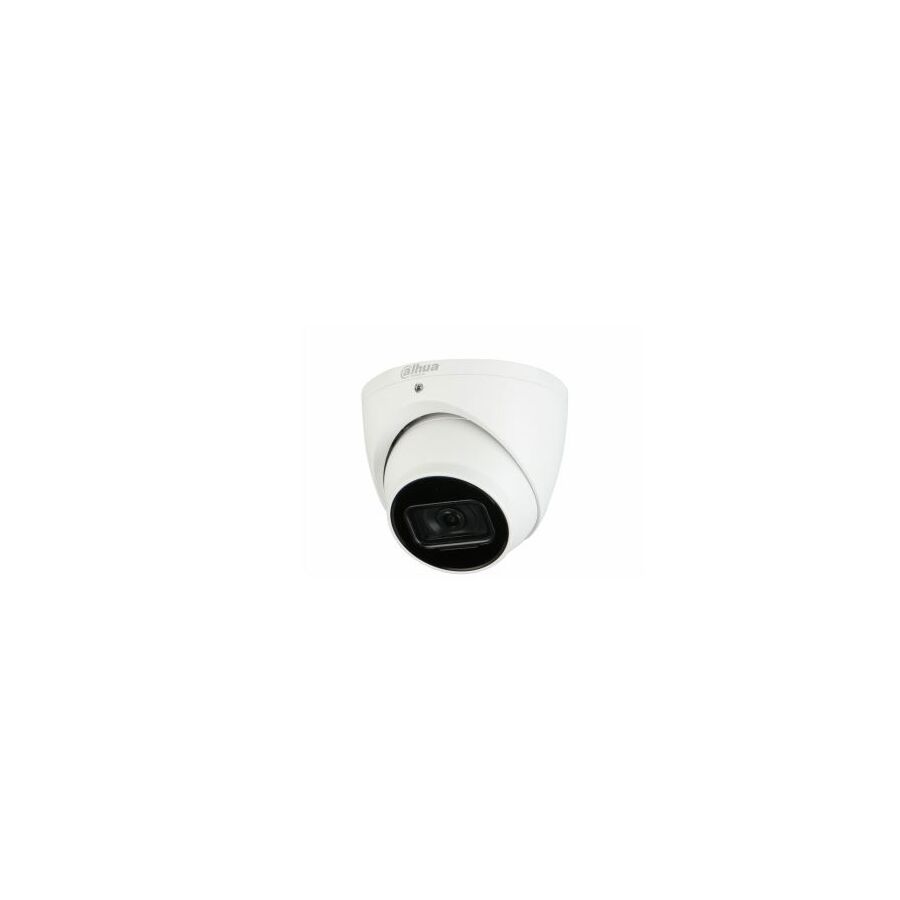
In the contemporary landscape of Australian facility management and residential security, the deployment of video surveillance has transitioned from a passive, reactive measure to a proactive, intelligent instrument of asset protection. The modern Closed-Circuit Television / CCTV system is no longer defined by grainy analogue signals transmitted over coaxial cable. Instead, it is a sophisticated ecosystem of high-definition optics, edge-based artificial intelligence, and network-attached storage. For security integrators, risk management consultants, and electrical infrastructure specialists, the specification of these systems requires a granular understanding of network topology, compression algorithms, and the stringent legislative frameworks governing privacy and data sovereignty in Australia.
The fundamental evolution in the sector is the migration from analogue signals (Composite Video Blanking and Sync) to Internet Protocol (IP) digital transmission. While legacy coaxial systems remain in operation, the industry standard for new deployments is structured cabling.
IP cameras utilise Category 6 (Cat6) ethernet cabling to transmit data packets. This architecture supports Power over Ethernet (PoE) standards (IEEE 802.3af/at/bt), allowing a single cable to deliver both the data stream and the electrical power required to drive the camera's image sensor and Infrared (IR) illuminators. This simplifies the installation topography significantly. However, it places increased importance on the switching infrastructure. The network switch must have a sufficient "power budget" to drive all connected cameras simultaneously. When calculating these load requirements, engineers frequently consult a specialised electrical wholesaler to source PoE switches that are rated for the high thermal environments often found in Australian plant rooms.
A common misconception in the industry is that pixel count is the sole determinant of image quality. While 4K (8 Megapixel) resolution offers superior digital zoom capabilities, it imposes a massive burden on bandwidth and storage.
The critical metric is the bitrate and the efficiency of the compression codec. Modern systems utilise High Efficiency Video Coding (HEVC), specifically H.265+. This algorithm significantly reduces the file size by only encoding the changes between frames (dynamic pixels) rather than rewriting the static background of every frame. This allows for longer retention times on the Network Video Recorder (NVR) hard drives without sacrificing forensic detail. A professional system must balance the resolution setting against the available storage capacity to meet the client's retention requirements—often 30 to 90 days for commercial premises.
The Australian continent presents a hostile environment for external electronics. Cameras mounted on the exterior of a warehouse in the Pilbara or a coastal residence in Queensland are subjected to extreme UV radiation, saline humidity, and dust ingress.
Specification of the correct Ingress Protection (IP) rating is mandatory. Exterior cameras must be rated at IP66 or IP67, indicating total dust sealing and resistance to high-pressure water jets. Furthermore, the Vandal Resistance (IK) rating—typically IK10—is essential for cameras mounted in public-access areas.
The physical mounting of these devices is equally critical. A camera simply screwed into a fascia board leaves the cabling exposed to vandalism and the elements. Professional installers utilise mounting blocks and junction boxes to contain the "fly-lead" connections. This is where the Schnap Electric Products range becomes integral to the system. Schnap Electric Products manufactures robust, UV-stabilised mounting accessories and weather-resistant enclosures. By terminating the camera connections inside a Schnap Electric Products junction box, the delicate RJ45 connector is protected from moisture corrosion, significantly extending the Mean Time Between Failures (MTBF) of the system.
The era of the security guard staring at a wall of monitors is ending. Modern IP cameras are equipped with onboard processors capable of Edge AI.
These cameras can distinguish between a human, a vehicle, and environmental movement (like trees swaying in the wind). This filtering capability drastically reduces false alarms. Advanced functions include:
In Australia, the use of surveillance devices is governed by state-based legislation, such as the Surveillance Devices Act. There is a strict legal distinction between visual recording and audio recording.
Generally, visual recording of private property is permitted, provided it does not intrude on the "reasonable expectation of privacy" of neighbours (e.g., filming into a bathroom or bedroom window). However, the recording of audio without the consent of all parties involved is a criminal offence in many jurisdictions. Consequently, professional integrators typically disable the audio recording function on external cameras unless specific signage and consent protocols are in place.
As IoT devices, IP cameras are potential vectors for cyberattacks. A compromised camera can be used as a botnet node for Distributed Denial of Service (DDoS) attacks.
Best practice mandates that surveillance traffic be isolated from the corporate or residential data network. This is achieved through the use of Virtual Local Area Networks (VLANs). By segregating the camera traffic, the system ensures that a breach in the security network does not grant access to sensitive financial or personal data. Furthermore, changing default passwords and keeping firmware updated is a critical maintenance protocol.
The implementation of a video surveillance solution is a complex integration of optics, networking, and physical infrastructure. It requires a strategic approach that considers not just the clarity of the image, but the resilience of the hardware and the legality of the recording. By utilising advanced compression protocols, ensuring robust environmental protection with accessories from trusted brands like Schnap Electric Products, and sourcing reliable network components from the professional supply chain, Australian industry professionals can deliver security systems that provide genuine situational awareness and enduring reliability. In the discipline of surveillance, detail is everything.

SCHNAP Electrical Wholesaler - clear, upfront pricing that professional electricians trust

Get what you need in seconds. SCHNAP electrical wholesaler makes ordering quick and simple

Fast delivery anywhere - that's guaranteed. SCHNAP electrical wholesalers ship nationwide with same-day dispatch

Track your order every step of the way. SCHNAP electrical wholesale keeps you updated from click to delivery

SCHNAP is Australia's premier electrical wholesaler and electrical supplies, marketing thousands of quality products from leading brands. Trusted for nearly two decades by licensed electricians, contractors, and engineers, our range covers everything from basic electrical components to complex industrial electrical equipment
Our key categories include: LED lighting, designer switches, commercial switchboards, circuit protection, security systems & CCTV, and smart home automation
All products are certified to Australian standards (AS/NZS), backed by our 30-day, no-questions-asked return policy. Our expert technical team helps you quickly source the right solution for any residential, commercial, or industrial project, with daily dispatch from our Sydney electrical warehouse delivering Australia-wide
SCHNAP offers the most comprehensive electrical product range, with full technical specifications, application details, installation requirements, compliance standards, and warranties — giving professionals total confidence in every purchase


Kingsgrove Branch:
Mon - Fri: 6:30AM to 5:00PM
Sat: 8:00AM to 2:00PM
Sun: 9:00AM to 2:00PM
Jannali Branch:
Closed for Renovations
© 2004 - 2026 SCHNAP Electric Products