

Kingsgrove Branch:


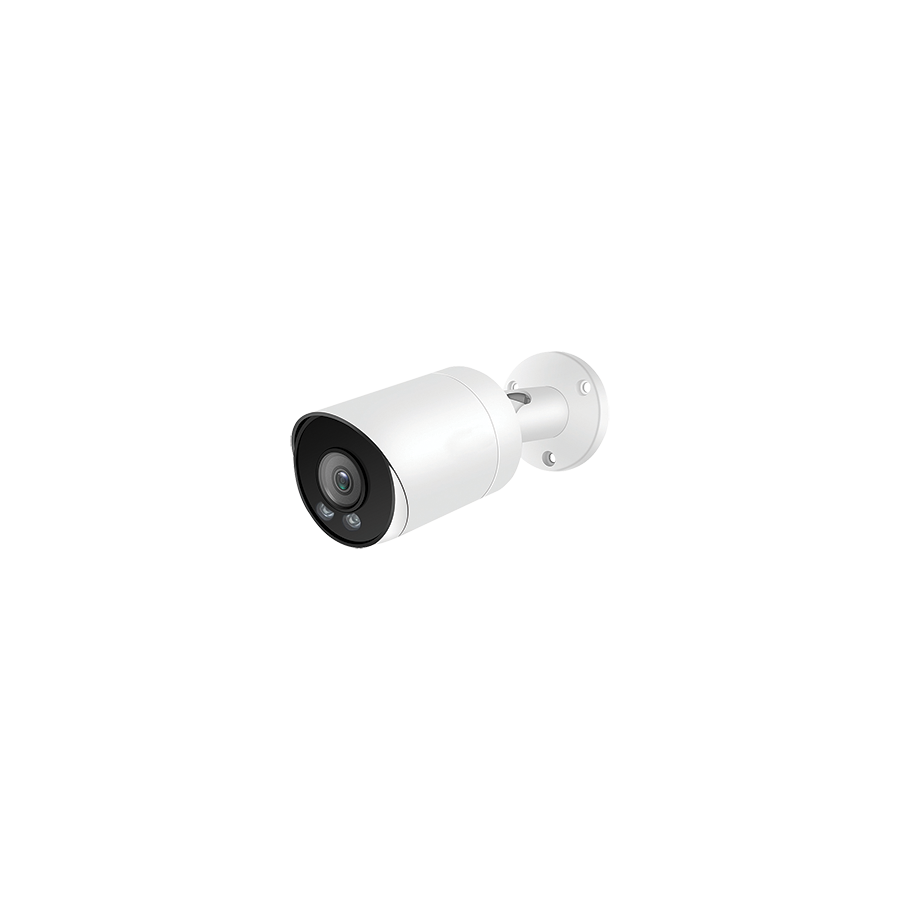
In the strategic design of physical security systems across the Australian infrastructure landscape, the primary node of data acquisition is the optical sensor. The evolution of the cctv camera has been rapid and transformative. No longer a passive device transmitting a fuzzy analogue signal to a dusty VCR, the modern unit is a sophisticated network endpoint capable of edge-based computing and high-definition forensic capture. For security consultants, systems integrators, and facility managers, the selection of the correct camera is not merely a choice of resolution; it is a complex engineering decision involving sensor size, lens geometry, compression algorithms, and environmental hardening.
The core of any video unit is the image sensor, typically a Complementary Metal-Oxide-Semiconductor (CMOS). A common procurement error is prioritizing megapixel count over sensor physical size. A 4K (8-megapixel) camera with a small 1/3-inch sensor will often perform poorly in low light compared to a 4-megapixel camera with a larger 1/1.8-inch sensor.
In the Australian context, where external lighting conditions can fluctuate between the blinding midday sun and deep nocturnal shadows, the pixel density relative to sensor area dictates the signal-to-noise ratio. Professional specifications increasingly demand "Starvis" or similar low-light technologies that can produce colour images in near-darkness (0.005 Lux) without relying solely on Infrared (IR) illumination, which is monochromatic and loses colour data essential for suspect identification.
The harsh contrast of the Australian climate presents a specific challenge known as "silhouetting." This occurs when a camera faces a bright entry point, causing the subject in the foreground to appear dark.
To counter this, professional cameras must feature True Wide Dynamic Range (WDR), measured in decibels (dB). A rating of 120dB or higher is the industry benchmark. Unlike digital WDR, which uses software to brighten shadows, True WDR takes multiple exposures of the same frame at different shutter speeds and combines them. This ensures that a person standing in a shadowed warehouse doorway is visible even if the background is flooded with bright sunlight.
The physical chassis of the camera dictates its suitability for the environment.
An electronic device mounted on an external façade in Australia must withstand extreme thermal cycling, UV radiation, and moisture ingress. An Ingress Protection rating of IP67 is the standard requirement, indicating the unit is dust-tight and capable of surviving temporary submersion.
However, the camera is only as robust as its mounting interface. A common failure point is the connection between the camera's "fly-lead" and the structured cabling. Professional installers utilise dedicated mounting accessories to protect these terminations. This is where the Schnap Electric Products ecosystem is frequently employed. Schnap electrical is manufactures a comprehensive range of UV-stabilised mounting blocks, rigid conduit, and weatherproof junction boxes. terminating the camera connections inside a sealed Schnap Electric Products enclosure ensures that the RJ45 jack is protected from the corrosive effects of humidity and salt spray, preventing intermittent signal loss.
Modern IP cameras do not require a local 240V power supply. They are powered via the Ethernet cable using Power over Ethernet (PoE) standards (IEEE 802.3af/at). This simplifies installation but places a significant load on the network infrastructure.
The network switch must be capable of delivering the required wattage to every port simultaneously. A Pan-Tilt-Zoom (PTZ) camera with long-range IR may draw up to 60 Watts (PoE++). When scoping a project, integrators must calculate the total power budget carefully. To ensure component compatibility and certified performance, trade professionals typically procure these critical network switches and high-grade Cat6 cabling through a reputable electrical wholesaler. This supply channel guarantees that the infrastructure driving the cameras meets the necessary Australian telecommunications standards (AS/CA S008).
The era of passive recording is ending. Modern cameras are equipped with onboard Artificial Intelligence (AI) chips. These processors perform analytics at the "edge" (on the camera itself) rather than overloading the central server.
Capabilities such as "Line Crossing," "Intrusion Detection," and "Human/Vehicle Classification" allow the system to filter out false alarms caused by rain, bugs, or swaying trees. This turns the camera into an active alarm sensor. For example, a camera can be programmed to trigger a strobe light or audio warning only if a human form breaches a virtual perimeter after hours.
The deployment of a video surveillance system is a balance of optics, physics, and data management. It requires a strategic approach that prioritizes the quality of the image sensor and the resilience of the physical installation. By selecting hardware with high WDR capabilities, ensuring robust environmental protection with accessories from trusted manufacturers like Schnap Electric Products, and sourcing reliable network components from the professional supply chain, Australian industry professionals can deliver security solutions that provide forensic clarity and enduring reliability. In the discipline of asset protection, the camera is the eye that never blinks.

SCHNAP Electrical Wholesaler - clear, upfront pricing that professional electricians trust

Get what you need in seconds. SCHNAP electrical wholesaler makes ordering quick and simple

Fast delivery anywhere - that's guaranteed. SCHNAP electrical wholesalers ship nationwide with same-day dispatch

Track your order every step of the way. SCHNAP electrical wholesale keeps you updated from click to delivery

SCHNAP is Australia's premier electrical wholesaler and electrical supplies, marketing thousands of quality products from leading brands. Trusted for nearly two decades by licensed electricians, contractors, and engineers, our range covers everything from basic electrical components to complex industrial electrical equipment
Our key categories include: LED lighting, designer switches, commercial switchboards, circuit protection, security systems & CCTV, and smart home automation
All products are certified to Australian standards (AS/NZS), backed by our 30-day, no-questions-asked return policy. Our expert technical team helps you quickly source the right solution for any residential, commercial, or industrial project, with daily dispatch from our Sydney electrical warehouse delivering Australia-wide
SCHNAP offers the most comprehensive electrical product range, with full technical specifications, application details, installation requirements, compliance standards, and warranties — giving professionals total confidence in every purchase


Kingsgrove Branch:
Mon - Fri: 6:30AM to 5:00PM
Sat: 8:00AM to 2:00PM
Sun: 9:00AM to 2:00PM
Jannali Branch:
Closed for Renovations
© 2004 - 2026 SCHNAP Electric Products