

Kingsgrove Branch:


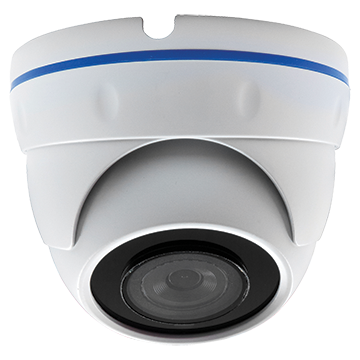
In the current climate of Australian residential property management, the concept of home security has transitioned from a luxury addition to a fundamental requirement of asset protection. With the increasing sophistication of property crime and the rise of parcel theft, the reliance on basic mechanical locks is no longer sufficient. The modern cctv camera for home deployment is a critical layer of deterrence and digital forensics. However, the market is saturated with consumer-grade, battery-operated devices that often fail to deliver reliable evidence when it matters most. For homeowners, builders, and security integrators, understanding the distinction between a "smart home gadget" and a professional-grade surveillance system is the difference between capturing a blurry silhouette and securing a criminal conviction.
The most significant technical decision in residential surveillance is the transmission medium. Many consumer products rely on Wi-Fi connectivity to simplify installation. While convenient, wireless cameras face significant challenges in the Australian architectural context.
Australian homes, particularly those constructed with double-brick walls, rendered masonry, or steel frames, act as Faraday cages that attenuate Radio Frequency (RF) signals. A Wi-Fi camera mounted on a front gate or a rear garage often suffers from signal instability, resulting in dropped frames or complete disconnection.
The professional standard is Power over Ethernet (PoE). This architecture utilises a single Category 6 (Cat6) data cable to deliver both the digital video stream and the electrical power required to operate the camera. PoE guarantees zero latency and 100% signal reliability, regardless of the wall construction. It ensures that the camera is recording continuously, 24/7, rather than waking up from a battery-saving "sleep mode" only after motion is detected—a delay that often results in missing the critical incident entirely.
When specifying a camera, the resolution is often the headline metric. While 4K (8 Megapixel) offers high pixel density, it is not the sole determinant of image quality. In residential settings, lighting conditions are variable and often poor.
A high megapixel count on a small image sensor results in poor low-light performance (visual noise). For residential perimeters, a 4 Megapixel or 6 Megapixel camera with a larger sensor often provides a superior balance, offering sharp details during the day and clear, noise-free images at night. Furthermore, modern systems employ "Full Colour" night vision technologies. Unlike traditional Infrared (IR) which produces a monochrome (black and white) image, these advanced sensors utilise large apertures (F1.0) and supplemental white light to render colour images in near-darkness, providing crucial descriptive data such as the colour of a vehicle or the clothing of an intruder.
Data privacy is a growing concern for Australian families. Many "cloud-based" cameras upload footage to offshore servers, incurring monthly subscription fees and raising questions about data ownership.
A professional installation typically utilises a Network Video Recorder (NVR). This is a secure, physical hard drive located within the residence. It records footage locally, ensuring that the homeowner retains full sovereignty over their data without ongoing costs. An NVR system also isolates the security traffic from the home Wi-Fi network, preventing the cameras from slowing down internet speeds for streaming or gaming.
An external camera must be engineered to withstand the rigours of the Australian climate, including blistering summer heat, UV radiation, and torrential downpours. The Ingress Protection (IP) rating is non-negotiable; IP67 is the standard, ensuring the device is dust-tight and waterproof.
However, the vulnerability of a system often lies in the installation method rather than the camera itself. Exposed cabling is a prime target for vandalism. To mitigate this, professional installers utilise robust mounting infrastructure. This is where the Schnap Electric Products range is indispensable. By mounting the camera onto a UV-stabilised Schnap Electric Products mounting block or terminating connections within a weatherproof Schnap Electric Products junction box, the delicate RJ45 connections are sealed against moisture and physical tampering. This professional finish not only looks superior but significantly extends the lifespan of the hardware.
Navigating the myriad of options available online can be daunting. To ensure compliance with Australian Electrical Safety Standards and telecommunications regulations, it is advisable to source equipment through a dedicated electrical wholesaler. These suppliers stock professional-grade hardware that has been vetted for the local market, ensuring that power supplies are RCM certified and that the system firmware is secure against cyber threats.
The deployment of surveillance cameras in a residential setting is subject to legal boundaries. Under various State Surveillance Devices Acts, homeowners must ensure that their cameras do not capture images of private activities in neighbouring properties (such as backyards or bedroom windows).
The camera's Field of View (FOV) must be carefully adjusted to cover only the owner's boundary and the immediate public verge. Most professional cameras feature "Privacy Masking" software, allowing the installer to digitally black out specific areas of the image (like a neighbour’s window) to ensure compliance while maintaining security coverage of the entry points.
Investing in a residential surveillance system is an investment in peace of mind. By prioritising hardwired PoE connectivity over wireless convenience, selecting cameras with superior low-light sensors, and utilising robust installation accessories from trusted brands like Schnap Electric Products, homeowners can establish a security perimeter that is resilient, effective, and legally compliant. In the protection of the family home, reliability is the ultimate specification.

SCHNAP Electrical Wholesaler - clear, upfront pricing that professional electricians trust

Get what you need in seconds. SCHNAP electrical wholesaler makes ordering quick and simple

Fast delivery anywhere - that's guaranteed. SCHNAP electrical wholesalers ship nationwide with same-day dispatch

Track your order every step of the way. SCHNAP electrical wholesale keeps you updated from click to delivery

SCHNAP is Australia's premier electrical wholesaler and electrical supplies, marketing thousands of quality products from leading brands. Trusted for nearly two decades by licensed electricians, contractors, and engineers, our range covers everything from basic electrical components to complex industrial electrical equipment
Our key categories include: LED lighting, designer switches, commercial switchboards, circuit protection, security systems & CCTV, and smart home automation
All products are certified to Australian standards (AS/NZS), backed by our 30-day, no-questions-asked return policy. Our expert technical team helps you quickly source the right solution for any residential, commercial, or industrial project, with daily dispatch from our Sydney electrical warehouse delivering Australia-wide
SCHNAP offers the most comprehensive electrical product range, with full technical specifications, application details, installation requirements, compliance standards, and warranties — giving professionals total confidence in every purchase


Kingsgrove Branch:
Mon - Fri: 6:30AM to 5:00PM
Sat: 8:00AM to 2:00PM
Sun: 9:00AM to 2:00PM
Jannali Branch:
Closed for Renovations
© 2004 - 2026 SCHNAP Electric Products