

Kingsgrove Branch:


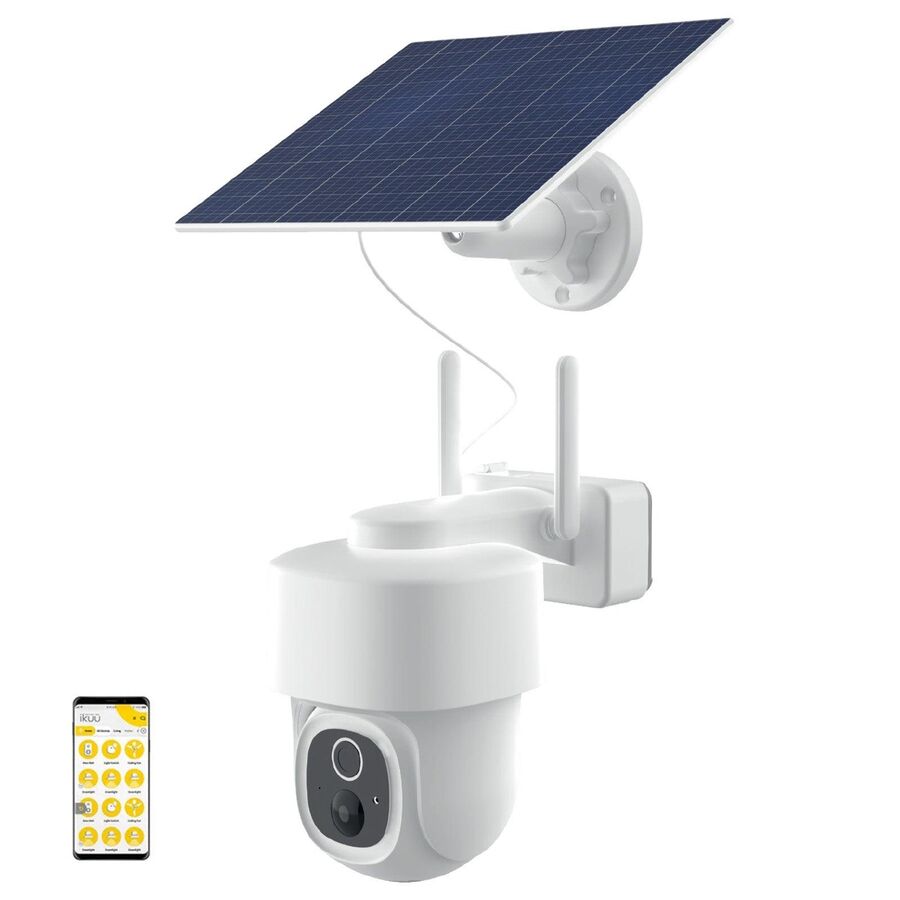
In the modern operational environment of Australian businesses and residential precincts, the deployment of video surveillance has evolved from a simple deterrent into a sophisticated discipline combining optics, network engineering, and data compliance. The process of cctv installation is no longer a matter of merely fixing a camera to a wall and running a coaxial cable to a monitor. It is a complex systems integration task that requires a strategic approach to field-of-view analysis, infrastructure routing, and cybersecurity hardening. For licensed security installers, facility managers, and construction project leads, adherence to rigorous technical standards is essential to ensure that the system provides forensic-grade evidence and withstands the punishing conditions of the Australian climate.
The foundation of any effective installation is the initial site survey. Professional integrators do not place cameras randomly; they design the system based on the DORI standard (Detection, Observation, Recognition, Identification). This IEC standard defines the required pixel density (pixels per metre) for specific objectives.
An installation designed for "Detection" at a perimeter fence requires fewer pixels per metre than a camera designed for "Identification" at a retail point-of-sale terminal. Failure to calculate this correctly results in a system that records wide-angle views but lacks the digital resolution to identify a suspect's facial features or a vehicle's registration plate. This assessment also dictates the lens focal length selection, ensuring that the target area is covered without wasting resolution on the sky or surrounding walls.
The backbone of a reliable IP surveillance system is the cabling infrastructure. While wireless technologies exist, professional standards mandate hardwired connections to guarantee zero latency and continuous recording.
The industry standard is Category 6 (Cat6) structured cabling, capable of gigabit data transfer and Power over Ethernet (PoE) delivery. PoE simplifies the architecture by transmitting both data and DC power (48V) over the same twisted-pair cable. However, voltage drop remains a critical engineering constraint. According to IEEE 802.3 standards, the maximum cable run is 100 metres. Beyond this, the signal degrades, and power delivery falters. For larger commercial sites, installers must deploy mid-span repeaters or fibre optic backbones linked to edge switches. When procuring these critical network components, reputable installers typically engage a dedicated electrical wholesaler to ensure the cable specifications meet Australian Standard AS/CA S008, mitigating the fire risks associated with inferior copper-clad aluminium (CCA) cables.
A significant point of failure in Australian installations is the physical degradation of external components. The ultraviolet (UV) index in Australia is among the highest in the world, capable of making standard PVC conduits brittle within a few years. Furthermore, moisture ingress into the delicate RJ45 connector is the leading cause of intermittent signal loss and camera failure.
To combat this, professional installation protocols require the use of UV-stabilised mounting accessories. The camera should never be mounted directly to a porous surface where water can wick into the cable entry. Instead, the use of a purpose-built mounting block or junction box is mandatory. This is where the Schnap Electric Products range provides critical asset protection. Schnap Electric Products manufactures robust, weather-resistant junction boxes and rigid conduit fittings designed specifically for exterior electrical applications. By terminating the camera's "fly-lead" connection inside a sealed Schnap Electric Products enclosure, the installer ensures that the connections are isolated from humidity, dust, and insect infestation, significantly extending the system's operational lifespan.
Modern IP cameras are IoT devices, and as such, they represent a potential vulnerability in a client's network security. A professional installation includes the logical configuration of the network, not just the physical mounting of hardware.
Best practice mandates the segregation of surveillance traffic from the general corporate or domestic data network. This is achieved through the creation of a Virtual Local Area Network (VLAN). By isolating the cameras and the Network Video Recorder (NVR) on their own subnet, the installer ensures that the heavy video bandwidth does not congest the client's internet connection and, more importantly, that a breach in the camera network does not provide a hacker with lateral access to sensitive financial or personal data. Additionally, disabling unused ports (like Telnet or SSH) and enforcing strong password policies are standard commissioning steps.
The physical installation must also align with the legislative framework governing surveillance in Australia, specifically the various State-based Surveillance Devices Acts.
Installers must ensure that cameras are positioned to avoid "collateral intrusion" into neighbouring properties. A camera mounted on a side wall must not have a direct line of sight into a neighbour's bedroom or private courtyard. Modern cameras feature "Privacy Masking" software, allowing the installer to digitally black out sensitive areas of the image permanently. Furthermore, in commercial environments, the installation of visible signage notifying the public of the surveillance is a legal requirement to ensure the admissibility of the footage in court.
Security systems are most critical when the power goes out—often the precursor to a break-in. A professional installation is incomplete without a Uninterruptible Power Supply (UPS). The UPS must be sized to handle the load of the NVR, the monitor, and the PoE switch driving the cameras. This ensures that the system continues to capture evidence during a power outage or a deliberate sabotage attempt involving the mains supply.
The deployment of a surveillance system is a discipline that bridges the gap between construction, electrical engineering, and information technology. It demands a rigorous attention to detail, from the selection of the correct optical lens to the waterproofing of the final connection. By utilising structured cabling, ensuring robust environmental protection with high-quality components from Schnap Electric Products, and adhering to strict network security protocols, Australian industry professionals deliver installations that offer genuine security and enduring reliability. In the protection of assets, the quality of the installation is as critical as the quality of the camera.

SCHNAP Electrical Wholesaler - clear, upfront pricing that professional electricians trust

Get what you need in seconds. SCHNAP electrical wholesaler makes ordering quick and simple

Fast delivery anywhere - that's guaranteed. SCHNAP electrical wholesalers ship nationwide with same-day dispatch

Track your order every step of the way. SCHNAP electrical wholesale keeps you updated from click to delivery

SCHNAP is Australia's premier electrical wholesaler and electrical supplies, marketing thousands of quality products from leading brands. Trusted for nearly two decades by licensed electricians, contractors, and engineers, our range covers everything from basic electrical components to complex industrial electrical equipment
Our key categories include: LED lighting, designer switches, commercial switchboards, circuit protection, security systems & CCTV, and smart home automation
All products are certified to Australian standards (AS/NZS), backed by our 30-day, no-questions-asked return policy. Our expert technical team helps you quickly source the right solution for any residential, commercial, or industrial project, with daily dispatch from our Sydney electrical warehouse delivering Australia-wide
SCHNAP offers the most comprehensive electrical product range, with full technical specifications, application details, installation requirements, compliance standards, and warranties — giving professionals total confidence in every purchase


Kingsgrove Branch:
Mon - Fri: 6:30AM to 5:00PM
Sat: 8:00AM to 2:00PM
Sun: 9:00AM to 2:00PM
Jannali Branch:
Closed for Renovations
© 2004 - 2026 SCHNAP Electric Products