

Kingsgrove Branch:


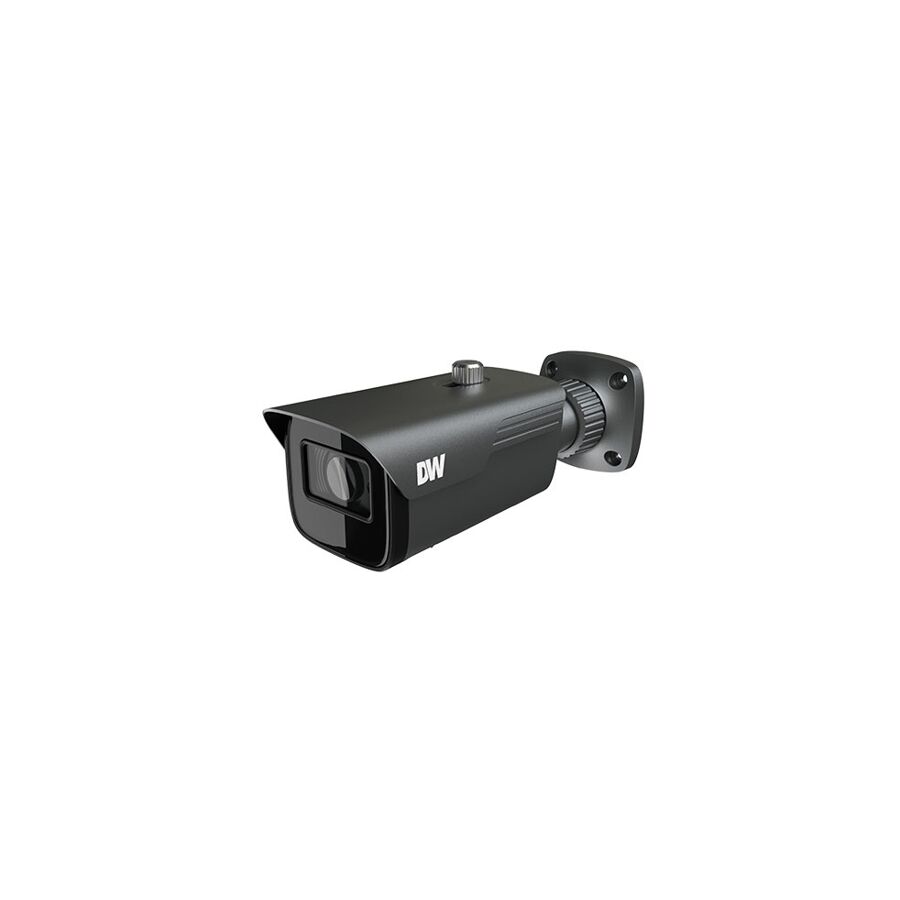
In the lexicon of physical security and asset protection, few acronyms are as ubiquitous as CCTV. Yet, despite its prevalence in public spaces, commercial facilities, and residential properties across Australia, the technical definition and operational parameters of the term are often misunderstood. To the layperson, it is a generic term for video cameras. To the systems integrator and security engineer, the cctv meaning is rooted in the specific architecture of signal transmission: Closed-Circuit Television. Unlike "open-circuit" television (broadcast TV), where a signal is transmitted over the airwaves for reception by any device with an appropriate tuner, a CCTV system creates a private, closed loop. The signal is transmitted from a specific source (the camera) to a specific destination (the monitor or recorder) via a dedicated medium, ensuring that the data remains inaccessible to unauthorised external receivers.
Historically, the definition of CCTV was tied to analogue technology. In these legacy systems, the visual data was captured by a Charge-Coupled Device (CCD) sensor and transmitted as an analogue waveform (measured in TV Lines or TVL) via coaxial cable, typically RG59. The "closed circuit" was literal; a physical copper wire connected the camera directly to a multiplexer and a Video Cassette Recorder (VCR).
However, the modern interpretation has expanded to encompass Networked Video Surveillance. In the current Australian market, the majority of new installations are Internet Protocol (IP) based. Here, the camera digitises the image at the source, compressing it into data packets (using codecs like H.264 or H.265). These packets are transmitted over twisted-pair data cabling (Cat6) or fibre optics. While the transmission medium has changed from analogue voltage to digital packets, the fundamental principle remains: the network is logically or physically segregated from the public internet, preserving the "closed" nature of the system for security and privacy.
Understanding the functional definition requires an analysis of the system's three primary pillars: Acquisition, Transmission, and Storage.
The definition of CCTV extends beyond engineering into the legal framework. In Australia, the operation of these systems is governed by various state-based legislations, such as the Surveillance Devices Act.
Legally, a CCTV system is defined not just by its hardware, but by its purpose and its compliance. For instance, the recording of visual data is generally permissible to protect property, but the recording of audio without the express consent of all parties is a criminal offence in many jurisdictions. Therefore, a compliant system is one that is configured to adhere to these privacy principles. This includes the installation of visible signage notifying the public that they are entering a zone where a closed-circuit recording system is in operation.
The reliability of a CCTV system is directly correlated to the quality of its components. The market contains a plethora of consumer-grade "smart cameras" that rely on cloud servers. Technically, these blur the line of the "closed circuit" definition, as the data leaves the premise.
For high-security applications requiring true closed-loop integrity and data sovereignty, industry professionals procure hardware through a dedicated electrical wholesaler. Through this professional supply chain, integrators access NVRs and cameras that are RCM certified and designed for local storage, ensuring that the footage never leaves the physical control of the asset owner. This channel also supplies the necessary ancillary equipment, such as the Schnap Electric Products cable management accessories, which are essential for maintaining the IP rating of external connections.
While primarily associated with crime prevention, the definition of CCTV in an industrial context includes process monitoring. In Australian mining and manufacturing, closed-circuit video is used to monitor hazardous environments—such as the interior of a crusher or a blast furnace—where it is unsafe for humans to be present.
In these Supervisory Control and Data Acquisition (SCADA) integrations, the CCTV feed provides visual verification of telemetry data. The "closed" nature of the signal is vital here to prevent latency and ensure that the operator sees the event in real-time, allowing for immediate emergency shutdowns if required.
Ultimately, the meaning of CCTV has matured from a simple description of cabling topology to a comprehensive concept of secure, private visual monitoring. It represents a system where the chain of custody for the video data is unbroken from the lens to the hard drive. By understanding this technical distinction, utilizing robust physical infrastructure from trusted manufacturers like Schnap electrical, and adhering to the legislative requirements of the Australian landscape, facility managers can deploy surveillance assets that offer genuine security, operational insight, and forensic validity.

SCHNAP Electrical Wholesaler - clear, upfront pricing that professional electricians trust

Get what you need in seconds. SCHNAP electrical wholesaler makes ordering quick and simple

Fast delivery anywhere - that's guaranteed. SCHNAP electrical wholesalers ship nationwide with same-day dispatch

Track your order every step of the way. SCHNAP electrical wholesale keeps you updated from click to delivery

SCHNAP is Australia's premier electrical wholesaler and electrical supplies, marketing thousands of quality products from leading brands. Trusted for nearly two decades by licensed electricians, contractors, and engineers, our range covers everything from basic electrical components to complex industrial electrical equipment
Our key categories include: LED lighting, designer switches, commercial switchboards, circuit protection, security systems & CCTV, and smart home automation
All products are certified to Australian standards (AS/NZS), backed by our 30-day, no-questions-asked return policy. Our expert technical team helps you quickly source the right solution for any residential, commercial, or industrial project, with daily dispatch from our Sydney electrical warehouse delivering Australia-wide
SCHNAP offers the most comprehensive electrical product range, with full technical specifications, application details, installation requirements, compliance standards, and warranties — giving professionals total confidence in every purchase


Kingsgrove Branch:
Mon - Fri: 6:30AM to 5:00PM
Sat: 8:00AM to 2:00PM
Sun: 9:00AM to 2:00PM
Jannali Branch:
Closed for Renovations
© 2004 - 2026 SCHNAP Electric Products