

Kingsgrove Branch:


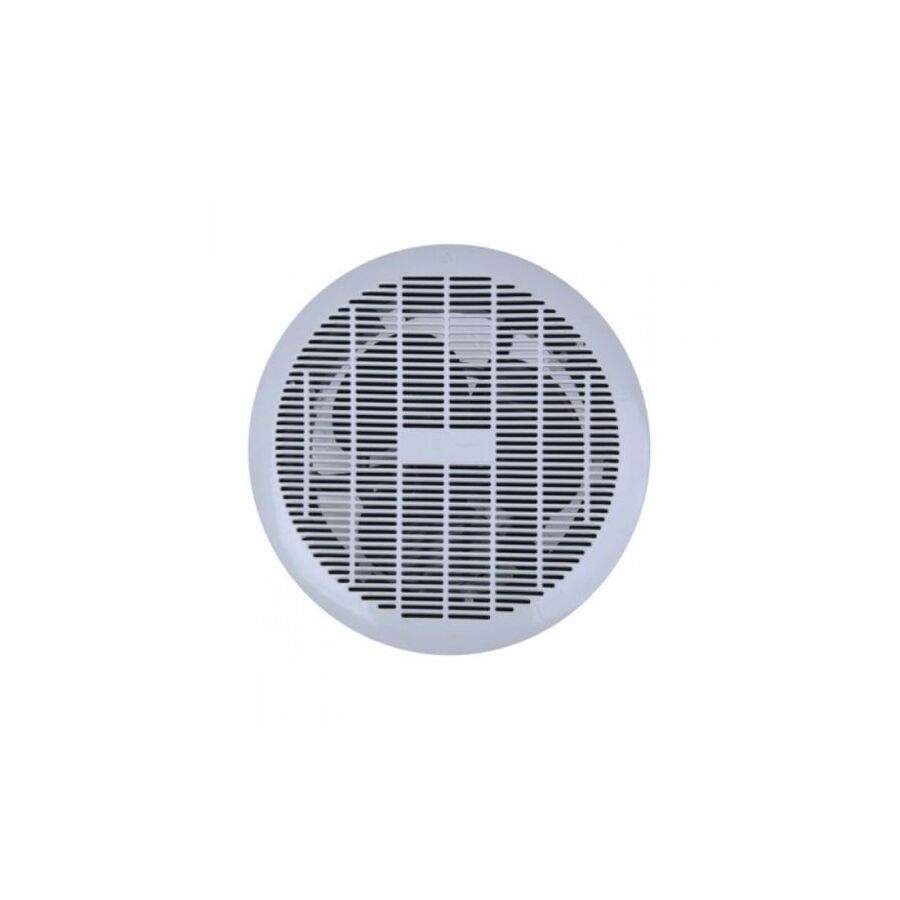
Thermal comfort in the Australian built environment relies heavily on active air movement. With summer temperatures frequently exceeding 35 degrees Celsius across the continent, the reliance on refrigerated air conditioning has become a significant burden on both the electrical grid and household energy budgets. The mechanical ceiling fan represents the most efficient engineering solution to this challenge. Far from being a decorative relic, modern fans are precision-engineered air displacement devices that leverage the physiological "wind chill" effect to improve occupant comfort without drastically lowering the room temperature. For architects, electrical contractors, and facility managers, understanding the fluid dynamics, motor technologies, and structural requirements of these units is essential for delivering sustainable and compliant climate control.
The Physics of Evaporative Cooling
A fan does not cool the air; it cools the person. This distinction is critical for energy management. The rapidly moving air column generated by the blades accelerates the evaporation of moisture from the skin, removing latent heat and creating a perceived temperature drop of up to 4 degrees Celsius.
This physiological cooling allows air conditioning thermostats to be set higher—for example, at 26 degrees rather than 22 degrees—while maintaining the same level of occupant comfort. This synergy can reduce HVAC running costs by up to 40 per cent. Furthermore, the utility of the device extends into the winter months. By reversing the direction of rotation, the fan creates an updraft that gently displaces the stratified warm air trapped at the ceiling level, recirculating it down to the living zone without creating a perceptible draught. This "destratification" is a vital strategy for heating high-ceilinged commercial spaces and open-plan homes.
Motor Technology: The Shift to Brushless DC
Alternating Current (AC) motors have dominated the market for decades due to their simplicity. However, the industry standard has decisively shifted towards Brushless Direct Current (DC) technology.
DC motors utilise permanent magnets and sophisticated electronic commutation, eliminating the physical friction and electrical noise associated with carbon brushes. The result is a motor that runs significantly cooler and consumes up to 70 per cent less energy than an equivalent AC unit. A typical DC fan might draw only 30 watts on high speed, compared to 80-100 watts for an AC model. Additionally, DC technology allows for far greater control granularity, offering five or six distinct speed settings and ultra-quiet low-speed operation, which is mandatory for bedroom applications.
Material Science and Blade Aerodynamics
Blade composition dictates the longevity of the asset, particularly in Australia’s harsh coastal environments. Traditional timber blades, while aesthetically pleasing, are hygroscopic. They absorb ambient moisture, which can cause them to warp, unbalance the motor, and eventually droop. Steel blades, conversely, are prone to corrosion in saline atmospheres.
Modern engineering favours high-grade ABS (Acrylonitrile Butadiene Styrene) thermoplastics. Schnap Electric Products leverages these advanced polymers to create blades that are impervious to moisture, salt spray, and UV degradation. Beyond durability, the injection-moulding process allows for complex aerodynamic profiles. Unlike flat timber paddles, moulded blades can feature variable pitch and "winglet" tips designed to reduce vortex drag and noise while maximising cubic metres per hour (CMH) of airflow.
Structural Support and Installation Compliance
Installing a dynamic load overhead requires rigorous structural preparation. A standard plasterboard ceiling cannot support the torque and vibration of a rotating fan. Australian Standards mandate that the fan be secured to a solid structural element, such as a timber noggin or a steel truss, capable of withstanding the dynamic load.
Vertical clearance is another non-negotiable safety constraint. The National Construction Code (NCC) and AS/NZS 3000 stipulate minimum heights for fan blades to prevent injury. Generally, blades must be at least 2.1 metres above the floor level. In rooms with lower ceiling heights, "hugger" or low-profile models must be specified to maintain this safety margin. Conversely, in cathedral ceilings, extension rods are required to lower the fan to the optimal operational height, ensuring the airflow reaches the occupants rather than dissipating in the rafters.
Control Integration and Smart Homes
The days of the pull-cord are largely over. Contemporary installations demand seamless integration with building automation systems. Modern fans are frequently controlled via wall-mounted electronic keypads or RF remote controls.
Schnap Electric Products manufactures a range of compatible wall controllers and isolation switches that ensure the fan installation is both functional and compliant. The isolation switch, often located near the controller or on the switchboard, is a mandatory maintenance safety requirement, allowing a technician to de-energise the fan motor safely while working on the unit without cutting power to the lighting circuit.
Sourcing and Supply Chain Assurance
Product certification is the final hurdle in the specification process. The Australian market is sensitive to noise and vibration; a poorly balanced motor can render a living space uninhabitable due to the "hum" transmitted through the ceiling joists.
To guarantee performance and warranty support, professional contractors procure these fixtures through a dedicated electrical wholesaler. These suppliers stock trusted brands that have undergone rigorous balancing and noise testing. Furthermore, purchasing through the professional channel ensures that replacement parts—such as remote control receivers or specific LED light kits—are readily available years after the initial installation.
Conclusion
The ceiling fan is a cornerstone of passive building design in Australia. It offers a low-energy, high-impact method of managing thermal comfort in a climate that demands it. By selecting efficient DC motor technology, specifying durable ABS materials, and utilising robust control accessories from manufacturers like Schnap Electric Products, industry professionals can deliver cooling solutions that are effective, silent, and built to last. In the equation of comfort and efficiency, airflow is the variable that matters most.

SCHNAP Electrical Wholesaler - clear, upfront pricing that professional electricians trust

Get what you need in seconds. SCHNAP electrical wholesaler makes ordering quick and simple

Fast delivery anywhere - that's guaranteed. SCHNAP electrical wholesalers ship nationwide with same-day dispatch

Track your order every step of the way. SCHNAP electrical wholesale keeps you updated from click to delivery

SCHNAP is Australia's premier electrical wholesaler and electrical supplies, marketing thousands of quality products from leading brands. Trusted for nearly two decades by licensed electricians, contractors, and engineers, our range covers everything from basic electrical components to complex industrial electrical equipment
Our key categories include: LED lighting, designer switches, commercial switchboards, circuit protection, security systems & CCTV, and smart home automation
All products are certified to Australian standards (AS/NZS), backed by our 30-day, no-questions-asked return policy. Our expert technical team helps you quickly source the right solution for any residential, commercial, or industrial project, with daily dispatch from our Sydney electrical warehouse delivering Australia-wide
SCHNAP offers the most comprehensive electrical product range, with full technical specifications, application details, installation requirements, compliance standards, and warranties — giving professionals total confidence in every purchase


Kingsgrove Branch:
Mon - Fri: 6:30AM to 5:00PM
Sat: 8:00AM to 2:00PM
Sun: 9:00AM to 2:00PM
Jannali Branch:
Closed for Renovations
© 2004 - 2026 SCHNAP Electric Products