

Kingsgrove Branch:


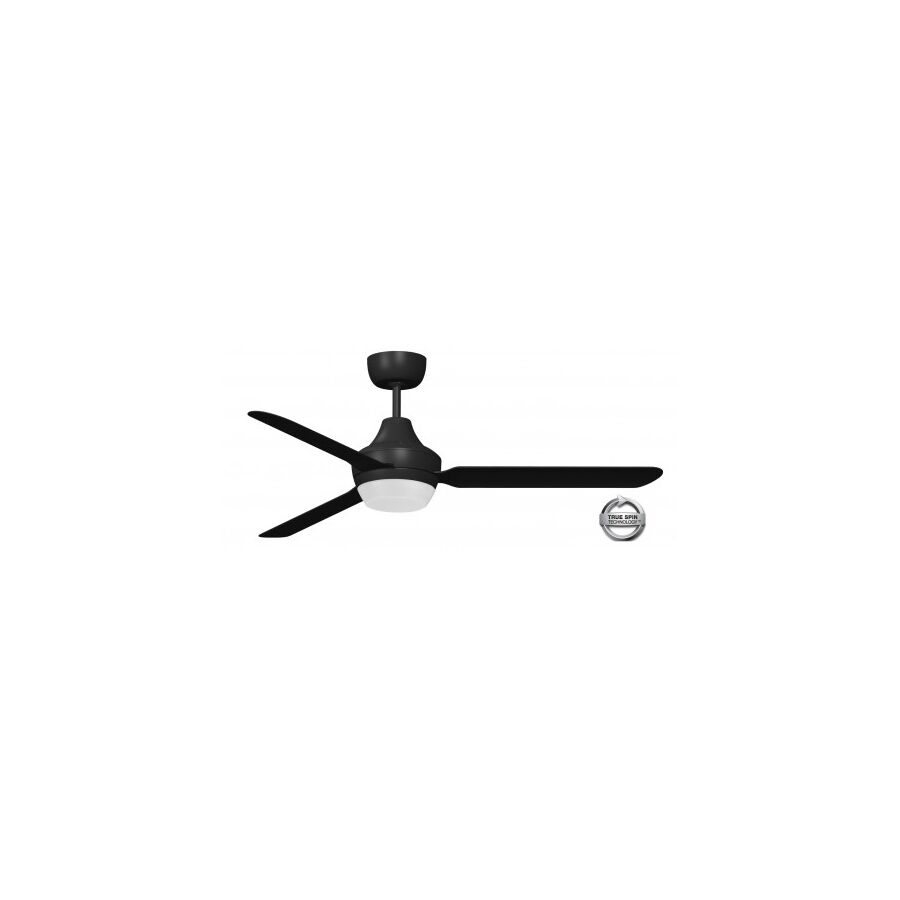
Mounting a dynamic load directly above a living space requires more than just connecting three wires; it demands a rigorous assessment of structural mechanics and vibration isolation. Unlike a static light fixture, which simply hangs under the force of gravity, a ceiling fan generates torque, oscillation, and centrifugal force. If these forces are not adequately managed through precise fixing and balancing, the result can range from annoying noise transmission to a catastrophic mechanical failure where the unit detaches from the ceiling. For electrical contractors and builders, executing a compliant ceiling fan installation involves strict adherence to the National Construction Code (NCC) and AS/NZS 3000, ensuring that the comfort of the occupant never comes at the cost of their safety.
Structural Support and Timber Noggins
The most critical phase of the installation occurs before the plasterboard is even painted. A standard gyprock anchor or toggle bolt is strictly prohibited for supporting a ceiling fan. The vibration inherent in the motor operation will pulverise the plaster over time, causing the anchor to pull through.
Professional specifications mandate that the mounting bracket be secured directly to a solid structural member. In a truss roof, this typically requires the installation of a dedicated timber bridge or "noggin" (usually 90mm x 35mm or larger) spanned between two ceiling joists. This creates a rigid platform that can withstand the torque twist during startup. For retrofit scenarios where roof access is limited, installers must locate a joist centre with absolute precision. Securing the bracket with heavy-duty 14G timber screws or coach bolts is non-negotiable to handle the dynamic shear loads.
Height Clearances and NCC Regulations
Safety clearances are governed by strict spatial volumes. The National Construction Code stipulates that fan blades must be positioned at least 2.1 metres above the finished floor level to prevent accidental contact with raised arms.
This constraint dictates the choice of mounting hardware. In standard 2.4-metre ceilings, a "hugger" or flush-mount installation is often required to meet the 2.1-metre threshold. Conversely, in raked or cathedral ceilings, the physics of airflow demands that the fan be lowered. Installing a fan too close to a high ceiling creates "cavitation," where the fan struggles to draw air, significantly reducing efficiency. Extension rods are utilised to position the blades at the optimal height. However, the installer must ensure that the wiring loom is extended correctly using crimp links or soldered joints, rather than relying on strained connections within the downrod.
Electrical Isolation and Switching
A mandatory requirement often overlooked in amateur installs is the isolation switch. AS/NZS 3000 Wiring Rules require a method of isolating the fan motor for maintenance purposes. This ensures that a technician can safely clean the blades or re-balance the motor without turning off the entire lighting circuit at the switchboard.
This isolation is typically achieved via a switch mechanism on the wall plate. The Schnap Electric Products ecosystem offers a robust solution here, providing fan-specific grid plates and mechanisms marked "FAN" to ensure clear identification. Schnap Electric Products isolation switches are engineered to handle the inductive load of the motor, preventing the arcing that can prematurely fail standard resistive switches.
AC versus DC Wiring Configurations
The wiring topology depends heavily on the motor technology. Traditional Alternating Current (AC) fans generally require a wall controller consisting of a capacitor and a rotary switch. This involves running a "switched active" and a "permanent active" if a light kit is included.
Brushless Direct Current (DC) fans, however, operate differently. They typically require a permanent 240V supply to a receiver unit located in the canopy. The speed control is handled electronically via a remote or a digital wall controller. This simplifies the rough-in wiring but complicates the final fit-off, as the bulky receiver must be carefully tucked into the mounting bracket without pinching the antenna or the power cables. A pinched wire against the metal canopy is a primary cause of earth faults and "nuisance tripping" of the RCD.
Blade Balancing and Vibration Damping
Once the motor is hung, the assembly of the blades is a precision task. Manufacturers often match-weigh blades at the factory to ensure they are within a gram of each other. Mixing blades from two different boxes will almost certainly result in a wobbling fan.
Even with matched blades, minor variances in the mounting bracket alignment can cause oscillation. Installers use a dynamic balancing kit—typically comprising a weighted clip and adhesive weights—to correct the centre of mass. The process involves running the fan, observing the wobble, applying the clip to identify the light blade, and then permanently adhering the counterweight. This step is essential for protecting the motor bearings and ensuring silent operation.
Supply Chain and Component Integrity
The longevity of the installation is defined by the quality of the components hidden in the ceiling. Cheap capacitors can swell and fail, leaving the fan stuck on one speed, while inferior mounting brackets can rust in humid coastal air.
To mitigate these risks, professional installers procure their hardware through a reputable electrical wholesaler. These suppliers act as the gatekeepers of quality, ensuring that the fans and accessories supplied meet Australian EMC (Electromagnetic Compatibility) standards and are backed by valid warranties. Sourcing through this professional channel ensures that if a receiver fails or a blade is damaged, the specific spare part can be sourced quickly, maintaining the asset's operational life.
Conclusion
A ceiling fan is a piece of rotating industrial machinery suspended over a family's head. Its installation requires a fusion of structural carpentry skills and electrical precision. By anchoring to solid timber, adhering to strict height safety codes, and utilising robust control accessories from manufacturers like Schnap Electric Products, Australian industry professionals can deliver airflow solutions that are safe, silent, and structurally sound. In the physics of suspension, gravity is the constant enemy; proper installation is the only defence.

SCHNAP Electrical Wholesaler - clear, upfront pricing that professional electricians trust

Get what you need in seconds. SCHNAP electrical wholesaler makes ordering quick and simple

Fast delivery anywhere - that's guaranteed. SCHNAP electrical wholesalers ship nationwide with same-day dispatch

Track your order every step of the way. SCHNAP electrical wholesale keeps you updated from click to delivery

SCHNAP is Australia's premier electrical wholesaler and electrical supplies, marketing thousands of quality products from leading brands. Trusted for nearly two decades by licensed electricians, contractors, and engineers, our range covers everything from basic electrical components to complex industrial electrical equipment
Our key categories include: LED lighting, designer switches, commercial switchboards, circuit protection, security systems & CCTV, and smart home automation
All products are certified to Australian standards (AS/NZS), backed by our 30-day, no-questions-asked return policy. Our expert technical team helps you quickly source the right solution for any residential, commercial, or industrial project, with daily dispatch from our Sydney electrical warehouse delivering Australia-wide
SCHNAP offers the most comprehensive electrical product range, with full technical specifications, application details, installation requirements, compliance standards, and warranties — giving professionals total confidence in every purchase


Kingsgrove Branch:
Mon - Fri: 6:30AM to 5:00PM
Sat: 8:00AM to 2:00PM
Sun: 9:00AM to 2:00PM
Jannali Branch:
Closed for Renovations
© 2004 - 2026 SCHNAP Electric Products