

Kingsgrove Branch:


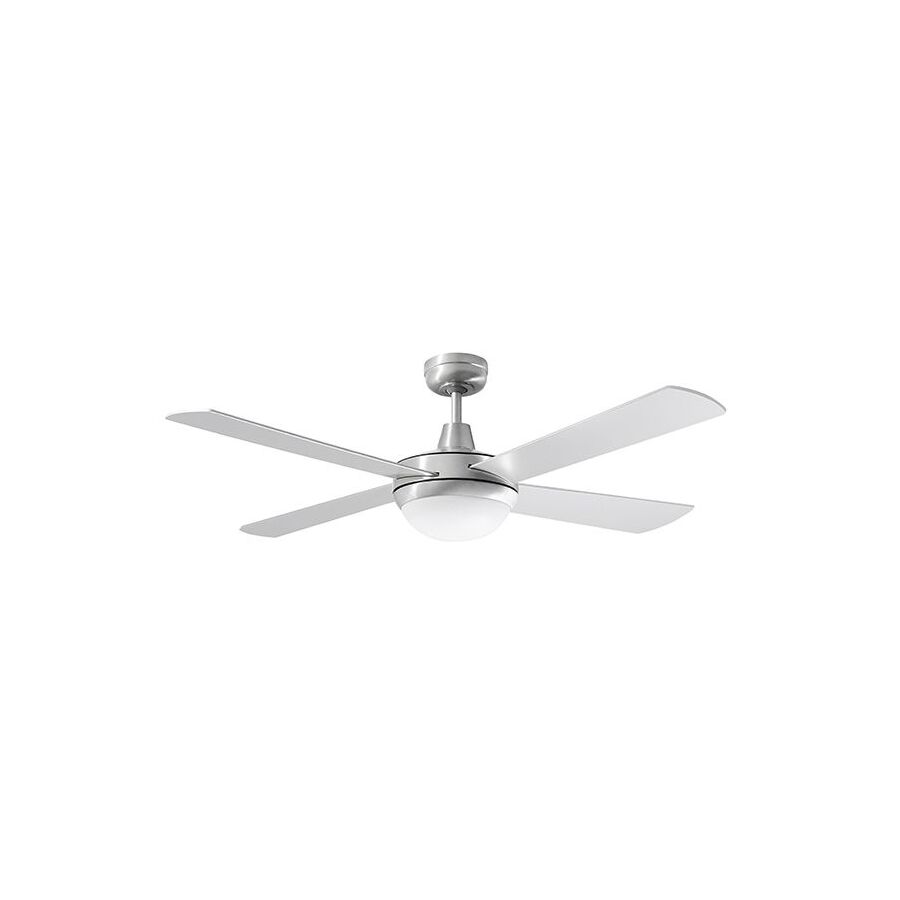
Centralising ceiling fixtures is a common architectural requirement in modern Australian residential and commercial design. When a room features a single central junction box, the conflict between installing adequate illumination and providing necessary air circulation often forces a compromise. The engineering solution to this spatial constraint is the ceiling fan with light. This dual-purpose asset eliminates the need for additional downlight penetrations while delivering active cooling directly to the living zone. For lighting designers, electrical contractors, and facility managers, the specification of these units requires a technical appreciation of lumen efficacy, Correlated Colour Temperature (CCT) technologies, and the vibration isolation required to protect sensitive LED arrays.
The Shift to Integrated LED Arrays
Historical iterations of combined fans relied on Edison screw (E27) or bayonet (B22) lamp holders housed within glass bowls. These designs were frequently plagued by vibration-induced bulb failure and poor light distribution. Contemporary engineering has abandoned replaceable globes in favour of integrated Light Emitting Diode (LED) Printed Circuit Boards (PCBs).
These flat, surface-mounted arrays allow for a significantly slimmer profile, improving the aerodynamic efficiency of the unit. More importantly, they deliver high-intensity illumination. A standard integrated kit now routinely produces between 1000 and 2000 lumens, effectively replacing the output of a traditional 100-watt incandescent bulb while consuming less than 20 watts of power. The longevity of these arrays is heavily dependent on thermal management. High-quality fixtures incorporate aluminium heatsinks behind the PCB to dissipate the heat generated by the diodes, ensuring that the junction temperature remains within operational limits despite the unit being suspended in the warmest part of the room.
CCT Variability and User Customisation
Lighting is not static; the requirements for a home office differ vastly from those of a bedroom. To accommodate this, modern fan lights feature "Tri-Colour" or CCT-shifting technology.
This functionality allows the installer or the user to select the temperature of the light output, typically switching between Warm White (3000K), Cool White (4000K), and Daylight (5700K). This selection is often achieved via a dip switch on the LED plate or through the remote control interface. This versatility streamlines inventory management for the supply chain, as a single SKU can satisfy multiple aesthetic requirements. Furthermore, dimming capabilities are now standard. Unlike older fluorescent models, modern LED drivers within these fans utilise Pulse Width Modulation (PWM) to provide smooth dimming curves without flicker, allowing the fixture to transition from high-intensity task lighting to low-level ambient lighting suitable for evening relaxation.
Addressing the Stroboscopic Effect
A critical failure in early fan-light design was the placement of the light source relative to the blades. If the light source is positioned above or in line with the rotating blades, it creates a "strobing" or flickering shadow effect that can induce nausea and visual fatigue.
Professional design mandates that the light diffuser be positioned well below the plane of rotation. This ensures an unobstructed cone of light. The material of the diffuser is equally important. Schnap Electric Products supports this segment by providing high-grade acrylic diffusers that are UV stabilised. Unlike cheap plastics that yellow and become brittle after a few Australian summers, high-quality acrylic maintains its optical clarity and diffusion properties, ensuring a soft, even spread of light that eliminates harsh hotspots on the floor below.
Wiring Protocols and Independent Control
Integrating two functions into one device introduces complexity at the switchboard. Under AS/NZS 3000, the fan motor and the light kit are technically separate loads. In a retrofit scenario where only a single "switched active" wire exists at the ceiling, independent control can be problematic.
The standard solution is the use of a remote control receiver unit installed in the fan canopy. This receiver takes the single incoming live supply and splits it into two controllable channels: one for the motor and one for the light. This allows for independent operation without the expense of chasing new cabling down the wall. For new builds, hard-wired wall controllers are often preferred. Schnap Electric Products manufactures compatible wall plate mechanisms that integrate fan speed capacitors with rotary dimmers, allowing for distinct physical control of both the breeze and the brightness from a single gang plate.
Structural Integrity and Vibration Isolation
Adding a light kit changes the centre of gravity of the fan. It adds mass at the furthest point from the fulcrum (the ceiling mount). If the fan is not perfectly balanced, this additional weight acts as a pendulum, exacerbating any wobble.
Excessive vibration is detrimental to electronic components. To mitigate this, manufacturers employ precision balancing of the motor and blades. Installers must ensure that the mounting bracket is secured to a structural timber or steel member capable of supporting the dynamic load, which is significantly higher than the static weight of the unit. Using a compliant mounting system prevents the transmission of vibration into the lighting PCB, protecting solder joints from fatigue cracking over time.
Procurement and Quality Assurance
The market is saturated with decorative fans that prioritise aesthetics over photometrics. A fan that looks good but provides dim, blue-cast light is a functional failure.
To ensure that the lighting component meets Australian standards for electrical safety and electromagnetic compatibility (EMC), contractors source these integrated units through a reputable electrical wholesaler. These professional suppliers ensure that the LED drivers are shielded to prevent interference with digital television or Wi-Fi signals within the home. By specifying verified products and utilizing robust accessories from brands like Schnap Electric Products, industry professionals can deliver a converged appliance that offers the best of both worlds: effective climate control and superior illumination. In the modern ceiling plan, efficiency is driven by integration.

SCHNAP Electrical Wholesaler - clear, upfront pricing that professional electricians trust

Get what you need in seconds. SCHNAP electrical wholesaler makes ordering quick and simple

Fast delivery anywhere - that's guaranteed. SCHNAP electrical wholesalers ship nationwide with same-day dispatch

Track your order every step of the way. SCHNAP electrical wholesale keeps you updated from click to delivery

SCHNAP is Australia's premier electrical wholesaler and electrical supplies, marketing thousands of quality products from leading brands. Trusted for nearly two decades by licensed electricians, contractors, and engineers, our range covers everything from basic electrical components to complex industrial electrical equipment
Our key categories include: LED lighting, designer switches, commercial switchboards, circuit protection, security systems & CCTV, and smart home automation
All products are certified to Australian standards (AS/NZS), backed by our 30-day, no-questions-asked return policy. Our expert technical team helps you quickly source the right solution for any residential, commercial, or industrial project, with daily dispatch from our Sydney electrical warehouse delivering Australia-wide
SCHNAP offers the most comprehensive electrical product range, with full technical specifications, application details, installation requirements, compliance standards, and warranties — giving professionals total confidence in every purchase


Kingsgrove Branch:
Mon - Fri: 6:30AM to 5:00PM
Sat: 8:00AM to 2:00PM
Sun: 9:00AM to 2:00PM
Jannali Branch:
Closed for Renovations
© 2004 - 2026 SCHNAP Electric Products