

Kingsgrove Branch:


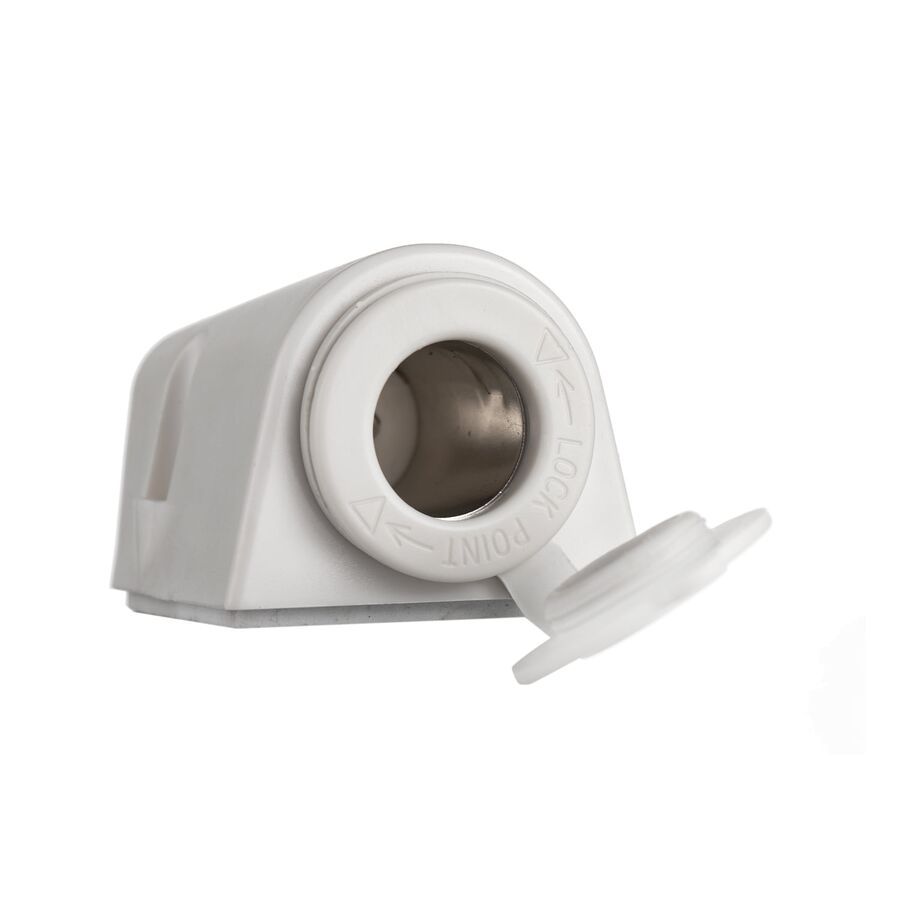
In the evolving landscape of Australian automotive, marine, and recreational vehicle design, the demand for reliable low-voltage Direct Current (DC) distribution has never been higher. While modern vehicles are increasingly equipped with USB interfaces for low-power devices, the requirement for high-current auxiliary power to operate portable refrigeration, lighting inverters, and heavy-duty communication equipment remains critical. The ubiquitous interface for these applications is the cigarette lighter socket, technically classified under the SAE J563 standard. Although historically designed as a momentary heating element receptacle, this cylindrical port has evolved into the de facto standard for 12V and 24V power connectivity. For auto electricians, marine fitters, and fleet managers, understanding the electromechanical limitations, thermal properties, and installation protocols of this legacy connector is essential for preventing voltage drop and ensuring fire safety in mobile electrical systems.
The fundamental engineering challenge of this interface lies in its genealogy. The original design intent was to facilitate a high-current, short-duration burst to heat a resistive coil. It was not originally engineered for continuous duty cycles.
The standard dimensions—approximately 21mm in diameter—rely on a friction fit for the negative ground (the outer shell) and a spring-loaded nipple for the positive centre contact. In a vibrating environment, such as a 4WD traversing the corrugated tracks of the Outback or a vessel in choppy coastal waters, this friction fit can be compromised. Intermittent contact increases electrical resistance, which in turn generates heat. Professional-grade sockets isolate the bimetallic thermal clips found in older units and replace them with robust, continuous copper or brass contact surfaces designed to handle sustained loads of up to 10 or 20 Amperes without thermal runaway.
A critical distinction must be made between a standard dashboard socket and a heavy-duty auxiliary outlet. Standard automotive units are often wired with thin-wall cable (2mm² or smaller) and fused at 10 Amperes.
However, a portable compressor or a dual-zone fridge/freezer can draw significant startup current. Installing such devices into a standard socket can cause the wiring to overheat, leading to voltage sag that trips the appliance's low-voltage cutout protection. Industrial-grade sockets, such as those supplied within the Schnap Electric Products range, are engineered with high-temperature phenolic or ceramic housings rather than standard thermoplastic. These materials can withstand the thermal soak generated by high-current draw without melting or deforming, ensuring that the mechanical retention of the plug remains secure even under load.
In DC systems, voltage drop is the primary enemy of performance. Because the operating voltage is low (12V), even a small amount of resistance in the cable run results in a significant percentage drop in voltage at the load.
Professional installation mandates the use of appropriately sized cabling—typically 6mm (4.5mm²) or 8B&S (8mm²) twin-core cable—to feed rear-mounted sockets. Furthermore, the termination at the back of the socket is vital. Cheap crimp terminals often loosen over time. High-quality sockets feature screw-locking or solder-tab terminals that ensure a gas-tight connection. When sourcing these components, seasoned installers will typically visit a specialised electrical wholesaler to procure marine-grade tinned copper cabling, which resists oxidation in saline environments, ensuring that the supply to the socket remains uncompromised.
The Australian environment is hostile to exposed electrical contacts. Salt spray and dust ingress can rapidly corrode the internal contacts of a standard socket, rendering it non-conductive.
For external applications, such as on the canopy of a utility vehicle or the helm of a boat, Ingress Protection (IP) rated sockets are mandatory. These units feature UV-stabilised sealing caps and rubber gaskets that seal the face of the socket when not in use. Schnap Electric Products manufactures a suite of marine-grade auxiliary sockets that utilise corrosion-resistant nickel-plated phosphor bronze contacts. These materials ensure that electrical conductivity is maintained even after prolonged exposure to humidity and salt air, preventing the formation of high-resistance oxide layers.
The safety of the installation relies heavily on circuit protection. A socket is an open invitation for a user to plug in any device, regardless of its power draw.
Therefore, the circuit must be fused to the lowest rating of the weakest component—usually the socket itself (typically 15A or 20A), not the cable. Auto-reset circuit breakers are often preferred over blade fuses for these circuits, as they allow for temporary thermal overload (such as a compressor startup spike) without requiring component replacement. The placement of the protection device should be as close to the battery source as possible to protect the entire length of the cable run from short circuits.
The physical mounting of the socket dictates its longevity. Plastic dashboard panels can flex and crack under the insertion force of tight-fitting plugs.
Heavy-duty installations often utilise recessed mounting plates or surface-mount housings that provide structural rigidity. Schnap Electric Products offers modular mounting systems that allow the socket to be paired with USB ports, voltmeters, and Anderson-style connectors in a single consolidated panel. This modular approach allows for a clean, professional fit-out that centralises power distribution and monitoring.
The auxiliary power socket is a critical link in the mobile energy chain. While its design roots are in the mid-20th century, its utility in modern expedition and work vehicles is undeniable. By understanding the limitations of the friction-fit design, specifying high-thermal-capacity materials, and adhering to strict cable sizing protocols to eliminate voltage drop, industry professionals can ensure that their 12V systems deliver reliable power. With robust components from trusted suppliers like Schnap Electric Products, the interface between the battery and the appliance remains secure, regardless of the terrain.

SCHNAP Electrical Wholesaler - clear, upfront pricing that professional electricians trust

Get what you need in seconds. SCHNAP electrical wholesaler makes ordering quick and simple

Fast delivery anywhere - that's guaranteed. SCHNAP electrical wholesalers ship nationwide with same-day dispatch

Track your order every step of the way. SCHNAP electrical wholesale keeps you updated from click to delivery

SCHNAP is Australia's premier electrical wholesaler and electrical supplies, marketing thousands of quality products from leading brands. Trusted for nearly two decades by licensed electricians, contractors, and engineers, our range covers everything from basic electrical components to complex industrial electrical equipment
Our key categories include: LED lighting, designer switches, commercial switchboards, circuit protection, security systems & CCTV, and smart home automation
All products are certified to Australian standards (AS/NZS), backed by our 30-day, no-questions-asked return policy. Our expert technical team helps you quickly source the right solution for any residential, commercial, or industrial project, with daily dispatch from our Sydney electrical warehouse delivering Australia-wide
SCHNAP offers the most comprehensive electrical product range, with full technical specifications, application details, installation requirements, compliance standards, and warranties — giving professionals total confidence in every purchase


Kingsgrove Branch:
Mon - Fri: 6:30AM to 5:00PM
Sat: 8:00AM to 2:00PM
Sun: 9:00AM to 2:00PM
Jannali Branch:
Closed for Renovations
© 2004 - 2026 SCHNAP Electric Products