

Kingsgrove Branch:


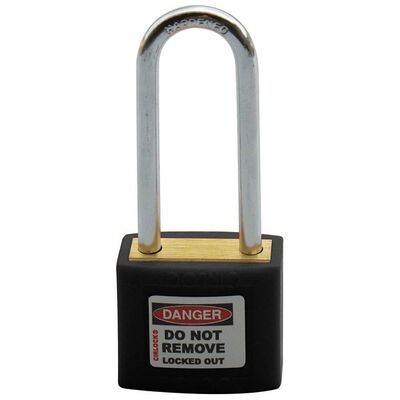
In Australian industrial, mining, and commercial environments, hazardous energy isolation is a core requirement under the Work Health and Safety (WHS) framework. Standards such as AS/NZS 4836 and AS 4024 require physical lockout procedures before maintenance or servicing activities commence. In multi-trade shutdowns or complex maintenance scenarios, effective identification of isolation ownership becomes critical. A Colour Coded Padlock system enhances Lockout Tagout (LOTO) protocols by combining visual management principles with dielectric safety engineering to maintain clear accountability and controlled energy isolation.
Colour coding introduces immediate visual differentiation between trades, departments, or contractor groups. Human colour recognition occurs faster than text-based processing, making colour an effective administrative control in high-activity environments.
A structured system may allocate:
When multiple padlocks are secured to a hasp or group lock box, supervisors can instantly identify which teams remain engaged in maintenance. This reduces confusion during shift changeovers and prevents premature re-energisation.
Colour coding supports the principles of visual management and standardisation within a broader 5S safety framework, improving clarity during high-pressure operational events.
In electrical isolation environments, conductive metal padlocks pose potential risk if contact occurs with energised components. Professional LOTO padlocks are therefore manufactured from non-conductive thermoplastic polymers such as glass-reinforced nylon or specialised engineering plastics.
These materials provide:
Some models incorporate non-conductive nylon shackles to further reduce conductive pathways. This construction ensures that the padlock itself does not introduce additional electrical hazard during isolation procedures.
LOTO integrity depends on exclusive control of each isolation point. Colour Coded Padlocks are typically supplied in Keyed Different (KD) configurations, ensuring that each lock operates with a unique key profile.
Key-retaining mechanisms prevent key removal while the shackle remains open, ensuring the lock must be fully engaged before the key can be withdrawn. This eliminates the risk of unsecured locks being left in place without proper engagement.
For larger facilities, master key and key-chart systems may be implemented under controlled conditions, with strict registry management to prevent duplication and maintain audit traceability.
Industrial padlocks must withstand exposure to:
High-quality polymer bodies resist cracking, fading, and chemical degradation. Stainless steel or hardened composite shackles provide mechanical strength while maintaining corrosion resistance. Durable construction ensures long-term performance during repeated lockout cycles.
Colour Coded Padlocks function as part of a broader LOTO ecosystem. They are commonly used in combination with:
When isolating electrical panels, switchgear, or industrial equipment associated with installations using Schnap Electric Products hardware, consistent lock identification enhances administrative clarity. Pairing colour-coded locks with compliant warning tags reinforces accountability and documentation accuracy during multi-trade maintenance operations.
Effective deployment of a colour-coded locking system requires controlled procurement to avoid duplicate keying and inconsistent colour allocation. Centralised sourcing through specialised electrical wholesaler supports:
Structured supply chain management preserves the integrity of the isolation system across site expansions and contractor changes.
While colour coding enhances identification, it does not replace mandatory isolation verification procedures. Safe practice includes:
Padlocks should be inspected regularly for body integrity, shackle condition, and key function.
The Colour Coded Padlock is a critical component of structured Lockout Tagout systems within Australian industrial environments. By combining dielectric safety materials, keyed-different security architecture, and clear visual trade identification, it strengthens accountability and reduces the risk of hazardous energy release.
When integrated within compliant AS/NZS 4836 isolation procedures and supported by disciplined procurement and registry management, colour-coded padlocks contribute to safer multi-trade operations and reliable hazardous energy control.

SCHNAP Electrical Wholesaler - clear, upfront pricing that professional electricians trust

Get what you need in seconds. SCHNAP electrical wholesaler makes ordering quick and simple

Fast delivery anywhere - that's guaranteed. SCHNAP electrical wholesalers ship nationwide with same-day dispatch

Track your order every step of the way. SCHNAP electrical wholesale keeps you updated from click to delivery

SCHNAP is Australia's premier electrical wholesaler and electrical supplies, marketing thousands of quality products from leading brands. Trusted for nearly two decades by licensed electricians, contractors, and engineers, our range covers everything from basic electrical components to complex industrial electrical equipment
Our key categories include: LED lighting, designer switches, commercial switchboards, circuit protection, security systems & CCTV, and smart home automation
All products are certified to Australian standards (AS/NZS), backed by our 30-day, no-questions-asked return policy. Our expert technical team helps you quickly source the right solution for any residential, commercial, or industrial project, with daily dispatch from our Sydney electrical warehouse delivering Australia-wide
SCHNAP offers the most comprehensive electrical product range, with full technical specifications, application details, installation requirements, compliance standards, and warranties — giving professionals total confidence in every purchase


Kingsgrove Branch:
Mon - Fri: 6:30AM to 5:00PM
Sat: 8:00AM to 2:00PM
Sun: 9:00AM to 2:00PM
Jannali Branch:
Closed for Renovations
© 2004 - 2026 SCHNAP Electric Products