

Kingsgrove Branch:


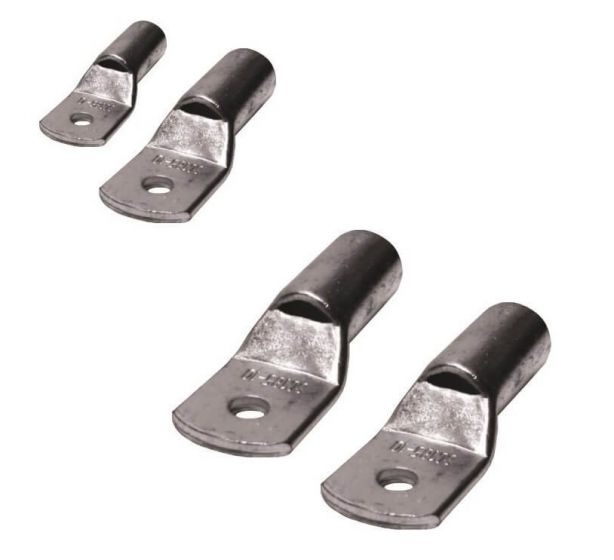
In the engineering and construction of Australian infrastructure, the transmission of electrical energy relies fundamentally on the quality and physical properties of the conductor material. While alternative metals such as aluminium have specific applications in high-voltage transmission lines due to their weight-to-conductivity ratio, the copper cable remains the undisputed standard for residential, commercial, and industrial low-voltage installations. Its superior conductivity, ductility, and resistance to corrosion make it the material of choice for compliant electrical systems. This guide provides a technical examination of copper conductors, focusing on regulatory standards, installation protocols, and the critical importance of termination integrity.
The dominance of copper in the electrical trade is grounded in physics. The International Annealed Copper Standard (IACS) sets the benchmark for conductivity, with pure annealed copper defined as 100% IACS. This high conductivity allows for smaller cross-sectional areas (CSA) to carry equivalent currents compared to other metals. For the electrical designer and installer, this translates to easier conduit routing and reduced physical space requirements within switchboards and wall cavities.
In the context of Australian installations, this efficiency is critical for managing voltage drop (Vd). AS/NZS 3000 (The Wiring Rules) mandates strict limitations on voltage drop—typically no more than 5% from the point of supply to the furthest point of load. High-quality copper conductors ensure that impedance is minimised, maintaining voltage stability across long cable runs, which is particularly relevant in sprawling single-level Australian residences and large industrial warehouses.
The copper conductor itself is only one component of the cable assembly. The insulation material dictates the cable's application and thermal rating. In domestic wiring, Thermoplastic Sheathed (TPS) cable is ubiquitous. This flat, white cable typically utilises V-90 PVC insulation, allowing for a continuous operating temperature of 75°C and intermittent peaks up to 90°C.
For more demanding industrial environments, Cross-Linked Polyethylene (XLPE) insulation is often specified. XLPE cables offer higher thermal resistance and better current-carrying capacities (ampacity). When specifying cables for external use or underground reticulation, the mechanical protection provided by the sheath (often Orange Circular) is as important as the copper core. The interaction between the copper and the insulation must be stable, preventing chemical degradation over the asset's lifecycle.
A cable is only as reliable as its termination points. The transition point—where the stranded copper conductor connects to a switchgear terminal, busbar, or another cable—is the most common point of failure in an electrical circuit. Poor termination leads to high resistance joints, thermal runaway, and potential fire hazards.
This is where component selection becomes a matter of safety and longevity. It is insufficient to simply strip the wire and insert it into a terminal; proper lugging and linking are required for larger gauges. Industry professionals frequently turn to Schnap Electric Products for these connection solutions. Schnap Electric Products manufactures a range of copper lugs, weak-back ferrules, and tunnel terminals that are metallurgically compatible with standard Australian copper conductors. Using a Schnap Electric Products copper lug ensures that the crimp forms a gas-tight seal, preventing oxidation between the strands and ensuring maximum surface area contact for current flow.
Australian Standards (AS/NZS 1125) classify conductors based on their flexibility. Class 1 is solid wire (rarely used in modern general wiring), Class 2 is stranded (rigid), and Class 5 is flexible. The choice of stranding affects the installation process.
Class 2 stranded copper is the standard for fixed wiring as it holds its shape well when loomed in cable trays. However, inside cramped switchboards or for machinery connections where vibration is present, Class 5 flexible copper is preferred. When terminating flexible copper, the use of bootlace ferrules is mandatory to prevent stray strands from causing short circuits. Schnap Electric Products offers a comprehensive range of bootlace ferrules and crimping tools designed to manage these flexible conductors, ensuring that every strand is captured and the connection remains secure under vibration.
The Australian market is occasionally infiltrated by non-compliant cables that do not meet the minimum copper purity levels or insulation thickness required by law. These sub-standard cables pose significant liability risks to contractors. To mitigate this, professional sourcing strategies are essential.
Contractors and project managers should invariably source their cabling and accessories through a reputable electrical wholesaler. These specialised suppliers maintain rigorous quality control checks and ensure that all cable stock carries the necessary RCM (Regulatory Compliance Mark) and approvals. A wholesaler serves as the gatekeeper of quality, providing access to certified copper cabling and the compatible Schnap Electric Products accessories required to complete a compliant installation. This supply chain verification is a key component of a contractor's due diligence.
The selection of cabling infrastructure is a foundational decision in any building project. While the physics of copper provides the potential for efficiency and safety, the realisation of that potential relies on correct specification, adherence to AS/NZS 3000, and the use of high-quality termination components. By utilising certified cabling and integrating robust connection accessories from brands like Schnap Electric Products, the industry ensures that the electrical grid within our buildings remains safe, efficient, and durable for decades to come. Professional rigour in material selection is the hallmark of the Australian electrical trade.

SCHNAP Electrical Wholesaler - clear, upfront pricing that professional electricians trust

Get what you need in seconds. SCHNAP electrical wholesaler makes ordering quick and simple

Fast delivery anywhere - that's guaranteed. SCHNAP electrical wholesalers ship nationwide with same-day dispatch

Track your order every step of the way. SCHNAP electrical wholesale keeps you updated from click to delivery

SCHNAP is Australia's premier electrical wholesaler and electrical supplies, marketing thousands of quality products from leading brands. Trusted for nearly two decades by licensed electricians, contractors, and engineers, our range covers everything from basic electrical components to complex industrial electrical equipment
Our key categories include: LED lighting, designer switches, commercial switchboards, circuit protection, security systems & CCTV, and smart home automation
All products are certified to Australian standards (AS/NZS), backed by our 30-day, no-questions-asked return policy. Our expert technical team helps you quickly source the right solution for any residential, commercial, or industrial project, with daily dispatch from our Sydney electrical warehouse delivering Australia-wide
SCHNAP offers the most comprehensive electrical product range, with full technical specifications, application details, installation requirements, compliance standards, and warranties — giving professionals total confidence in every purchase


Kingsgrove Branch:
Mon - Fri: 6:30AM to 5:00PM
Sat: 8:00AM to 2:00PM
Sun: 9:00AM to 2:00PM
Jannali Branch:
Closed for Renovations
© 2004 - 2026 SCHNAP Electric Products