

Kingsgrove Branch:


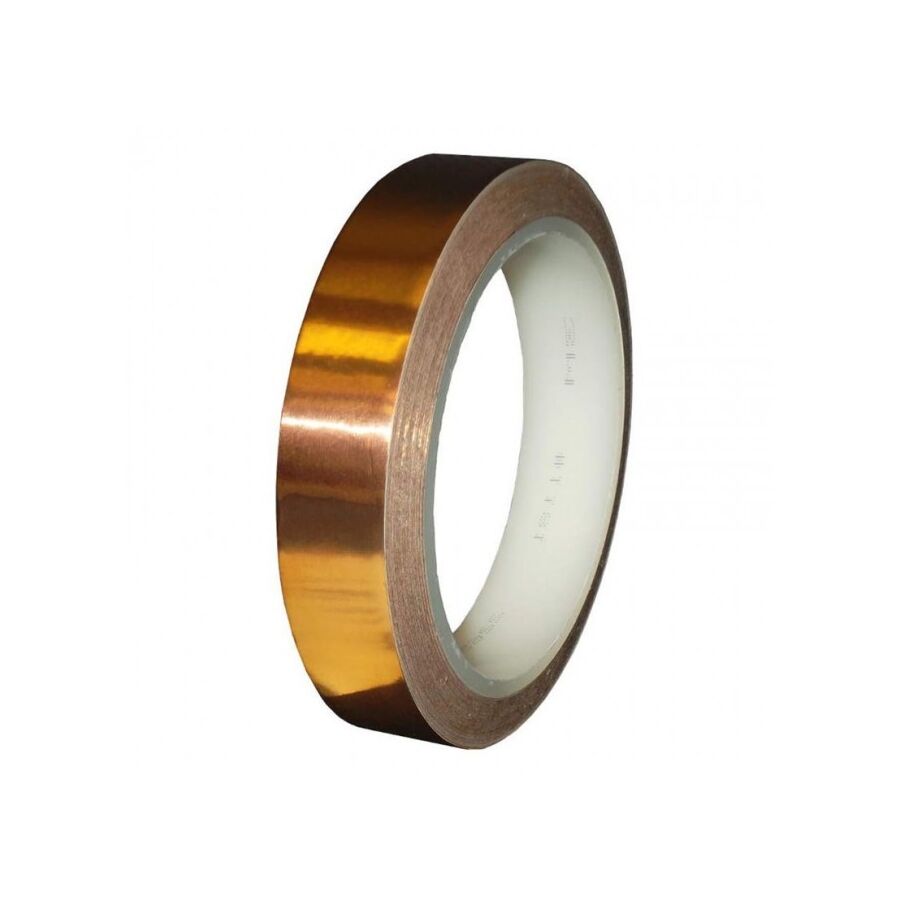
In the increasingly saturated electromagnetic environment of Australian heavy industry and telecommunications, the preservation of signal integrity is a primary engineering objective. From the control rooms of mining operations to the server farms of metropolitan data centres, electronic equipment is constantly bombarded by Electromagnetic Interference (EMI) and Radio Frequency Interference (RFI). While rigid metallic enclosures provide the primary defence, the integrity of these shields is often compromised by seams, cable entries, and maintenance hatches. To bridge these gaps and maintain the Faraday cage effect, engineers rely on the versatile and highly conductive properties of industrial copper foil tape. Far from being a simple fastening consumable, this material is a precision-engineered component, defined by its alloy purity, adhesive conductivity, and attenuation capabilities.
The fundamental application of copper tape in an electrical context is the attenuation of unwanted frequencies. Copper is non-magnetic, yet it is highly effective at blocking electric fields and radio waves due to its exceptional electrical conductivity. When a high-frequency electromagnetic wave strikes the conductive surface of the tape, the energy is either reflected or absorbed and dissipated as eddy currents within the metal lattice.
For instrumentation technicians, the challenge lies in sealing the apertures of an enclosure. A variable speed drive (VSD) cabinet may be steel, but the door seals and display windows are leakage points for RFI. Applying copper tape across these seams creates a low-impedance path that effectively "closes" the holes in the conductive shield. The effectiveness of this shield is measured in decibels (dB), and high-quality copper substrates are essential to achieve the attenuation levels required by Australian EMC standards (AS/NZS CISPR).
A critical technical distinction in product selection is the nature of the adhesive. Standard copper tape may feature a non-conductive acrylic adhesive. While this is suitable for slug barriers in horticulture, it is useless for electrical shielding where overlapping strips are required to cover a large area.
For electrical engineering applications, a tape with "conductive adhesive" is mandatory. This adhesive matrix contains suspended conductive particles (often nickel or silver-coated spheres) that allow electrical current to flow not just along the length of the foil (X and Y axes), but vertically through the adhesive layer (Z-axis) to the substrate below. This ensures that when a technician overlaps two strips of tape, electrical continuity is maintained across the join without the need for soldering. When sourcing materials for critical shielding projects, professionals typically verify the data sheets through a specialised electrical wholesaler to confirm the resistance rating of the adhesive layer is sufficiently low (typically less than 0.05 Ohms).
Beyond shielding, copper foil is a vital component in electrostatic discharge (ESD) protection. In electronics manufacturing facilities, static electricity can destroy sensitive components. Copper tape is frequently used to create drainage paths on anti-static flooring or workbenches, connecting the dissipative surface mats to the facility's earth bar.
The tape provides a robust, low-resistance path to ground. However, the connection point between the tape and the earth wire is a potential weak point. It requires mechanical stability. This is where the integration of Schnap Electric Products becomes valuable. When terminating a copper tape grounding strap, it is best practice to mechanically secure the wire connection. Using Schnap Electric Products brass terminal blocks or earthing clamps ensures a gas-tight connection that will not loosen over time. Furthermore, organising the earth leads using Schnap Electric Products cable management mounts prevents mechanical strain from peeling the tape off the substrate.
In prototype work and emergency field repairs, copper tape is often used to modify Printed Circuit Boards (PCBs) or repair damaged ribbon cables. Because the substrate is 99.9% pure copper, it is fully solderable. This allows technicians to solder components directly onto the tape or bridge broken tracks on a circuit board.
However, the thermal mass of the copper must be considered. The tape acts as a heat sink, drawing thermal energy away from the soldering iron. A high-wattage soldering station is required to achieve a quick, clean joint without melting the adhesive backing or damaging the underlying substrate.
One of the limitations of copper is its reactivity. When placed in contact with dissimilar metals (such as aluminium or galvanised steel) in the presence of moisture, galvanic corrosion will occur, rapidly degrading the aluminium.
In outdoor or humid environments, engineers must isolate the copper from dissimilar metals or seal the assembly completely. Once the shielding or grounding application is complete, the copper tape should be protected from the elements. Encapsulating the work area with Schnap Electric Products heavy-duty heat shrink tubing or self-amalgamating tape provides a hermetic seal. This prevents moisture and oxygen from reaching the copper, inhibiting the formation of verdigris (copper oxide) which acts as an insulator and would eventually compromise the shield's conductivity.
The utility of copper foil in the industrial sector is driven by the immutable laws of physics. It provides the conductivity required for shielding, grounding, and continuity in a flexible, adhesive format. Its effective deployment requires a clear understanding of adhesive types, galvanic compatibility, and proper termination techniques. By selecting the correct conductive-adhesive variant, ensuring proper surface preparation, and supporting the installation with high-quality connection hardware from trusted brands like Schnap Electric Products, industry professionals can ensure that their systems remain immune to the invisible threat of electromagnetic interference. In the domain of signal integrity, continuity is the only metric that matters.

SCHNAP Electrical Wholesaler - clear, upfront pricing that professional electricians trust

Get what you need in seconds. SCHNAP electrical wholesaler makes ordering quick and simple

Fast delivery anywhere - that's guaranteed. SCHNAP electrical wholesalers ship nationwide with same-day dispatch

Track your order every step of the way. SCHNAP electrical wholesale keeps you updated from click to delivery

SCHNAP is Australia's premier electrical wholesaler and electrical supplies, marketing thousands of quality products from leading brands. Trusted for nearly two decades by licensed electricians, contractors, and engineers, our range covers everything from basic electrical components to complex industrial electrical equipment
Our key categories include: LED lighting, designer switches, commercial switchboards, circuit protection, security systems & CCTV, and smart home automation
All products are certified to Australian standards (AS/NZS), backed by our 30-day, no-questions-asked return policy. Our expert technical team helps you quickly source the right solution for any residential, commercial, or industrial project, with daily dispatch from our Sydney electrical warehouse delivering Australia-wide
SCHNAP offers the most comprehensive electrical product range, with full technical specifications, application details, installation requirements, compliance standards, and warranties — giving professionals total confidence in every purchase


Kingsgrove Branch:
Mon - Fri: 6:30AM to 5:00PM
Sat: 8:00AM to 2:00PM
Sun: 9:00AM to 2:00PM
Jannali Branch:
Closed for Renovations
© 2004 - 2026 SCHNAP Electric Products