

Kingsgrove Branch:


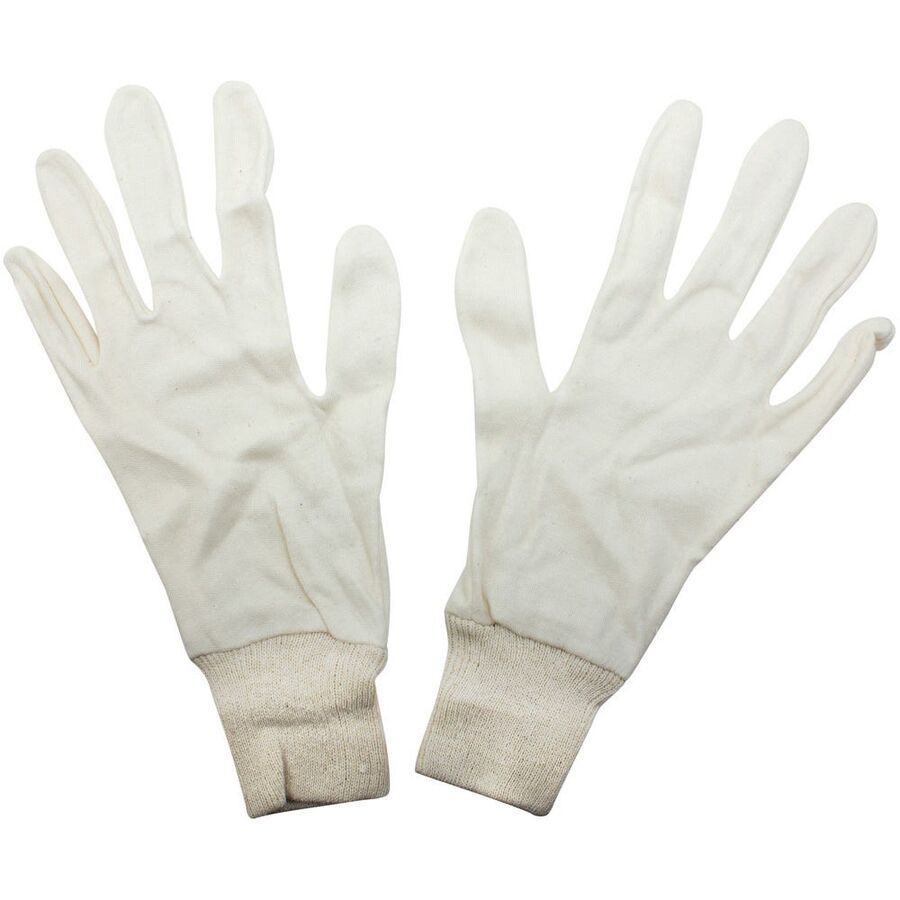
In the rugged world of the Australian construction industry, Personal Protective Equipment (PPE) is typically associated with heavy-duty protection. We think of steel-capped boots, impact-resistant helmets, and thick leather riggers designed to stop a splinter or a shard of metal. However, as a project moves from the rough-in phase to the final fit-off, the requirements for hand protection shift dramatically. The heavy lifting is done, and the focus turns to aesthetics and precision. In this delicate final stage, the humble pair of cotton gloves becomes one of the most valuable tools in the tradesperson's van. Far from being just a light duty covering, these gloves are the secret weapon for ensuring that the high-quality finish the client paid for is exactly what is delivered.
The primary function of cotton gloves in the electrical and finishing trades is the prevention of contamination. Human skin naturally produces oils and sweat, and on a hot Australian job site, this is exacerbated. When a worker handles a matte black light switch, a chrome chandelier, or a glass touch panel with bare hands, these oils are transferred to the surface. Over time, these acidic oils can etch into certain metallic finishes or simply leave unsightly smudges that are difficult to remove without chemical cleaners. By wearing breathable cotton, the tradesperson creates a soft barrier that absorbs sweat and prevents oil transfer. This is particularly crucial when installing premium visible components, such as the architectural faceplates and designer switches manufactured by Schnap Electric Products. A pristine installation of these high-end items speaks volumes about the installer's attention to detail.
Beyond the "white glove service" aspect of finishing work, these gloves serve a vital role as under-gloves or "liners." Many trades require the use of disposable nitrile or heavy rubber gloves for chemical resistance or insulation. However, wearing rubber gloves for eight hours in the Queensland heat can lead to a condition known as contact dermatitis, caused by the hands sweating profusely inside the non-breathable material. Wearing a thin pair of cotton gloves underneath the rubber outer layer changes the game entirely. The cotton absorbs the perspiration, keeping the skin dry and reducing friction. This simple layering technique significantly improves comfort and hand health, allowing workers to keep their safety gloves on for longer periods without irritation.
The dexterity offered by cotton is another significant advantage. Unlike stiff leather or thick synthetic materials, a jersey cotton or interlock cotton glove fits snugly against the skin and allows for full range of motion. This tactile sensitivity is essential when handling small, fiddly components. For example, when an electrician is securing the tiny grub screws on a light fitting or adjusting the delicate internal mechanisms of a Schnap Electric Products dimmer, they need to feel exactly what they are doing. The fabric provides just enough grip to hold a screw without dropping it, while being soft enough not to scratch delicate plastic or polished metal surfaces.
Sourcing the right type of cotton glove is important. While it might be tempting to grab a cheap packet from a supermarket, these are often ill-fitting and made from low-grade, linty material that leaves white fluff everywhere—defeating the purpose of trying to be clean. It is highly recommended to purchase these items from a professional electrical wholesaler. These suppliers stock trade-rated gloves that are often hemmed at the wrist to prevent fraying and are made from low-linting long-staple cotton. Staff at an electrical wholesaler can also verify if the gloves are unbleached (for those with skin sensitivities) or if they feature micro-dots for extra grip, which can be useful for handling slippery glass covers.
Another niche but growing application is in the handling of sensitive documents and plans on site. In the digital age, we still rely on large format paper drawings. Dirty, greasy hands can ruin a set of expensive architectural plans in seconds. Slipping on a pair of clean cotton gloves before consulting the drawings ensures that the information remains legible for the entire duration of the project.
Cost-effectiveness is a major benefit of this PPE category. Cotton gloves are inexpensive and, crucially, washable. A tradesperson can keep half a dozen pairs in the glovebox of the ute. As one pair gets dusty or sweaty, it can be swapped out for a fresh pair, and the dirty ones can be thrown in the washing machine at the end of the week. This reusability makes them an environmentally friendly option compared to disposable plastics.
Furthermore, the psychological effect on the client should not be underestimated. When a homeowner or site supervisor sees a tradesperson put on a pair of clean white gloves before handling the final fixtures, it signals a high level of respect for the property. It differentiates the professional from the amateur. Whether you are mounting a flat-screen TV, hanging a crystal light fixture, or simply clipping on the final cover of a Schnap Electric Products power point, that extra step of care is often what secures the next job or the positive referral.
In conclusion, cotton gloves are an essential component of the modern finishing kit. They bridge the gap between protection and perfection. They protect the worker's hands from irritation when used as liners, and they protect the client's expensive assets from damage during installation. By sourcing quality, low-lint varieties from a trusted electrical wholesaler, Australian tradespeople can ensure that their workmanship looks as good as it performs. They are the final touch that ensures the job is truly done and dusted.

SCHNAP Electrical Wholesaler - clear, upfront pricing that professional electricians trust

Get what you need in seconds. SCHNAP electrical wholesaler makes ordering quick and simple

Fast delivery anywhere - that's guaranteed. SCHNAP electrical wholesalers ship nationwide with same-day dispatch

Track your order every step of the way. SCHNAP electrical wholesale keeps you updated from click to delivery

SCHNAP is Australia's premier electrical wholesaler and electrical supplies, marketing thousands of quality products from leading brands. Trusted for nearly two decades by licensed electricians, contractors, and engineers, our range covers everything from basic electrical components to complex industrial electrical equipment
Our key categories include: LED lighting, designer switches, commercial switchboards, circuit protection, security systems & CCTV, and smart home automation
All products are certified to Australian standards (AS/NZS), backed by our 30-day, no-questions-asked return policy. Our expert technical team helps you quickly source the right solution for any residential, commercial, or industrial project, with daily dispatch from our Sydney electrical warehouse delivering Australia-wide
SCHNAP offers the most comprehensive electrical product range, with full technical specifications, application details, installation requirements, compliance standards, and warranties — giving professionals total confidence in every purchase


Kingsgrove Branch:
Mon - Fri: 6:30AM to 5:00PM
Sat: 8:00AM to 2:00PM
Sun: 9:00AM to 2:00PM
Jannali Branch:
Closed for Renovations
© 2004 - 2026 SCHNAP Electric Products