

Kingsgrove Branch:


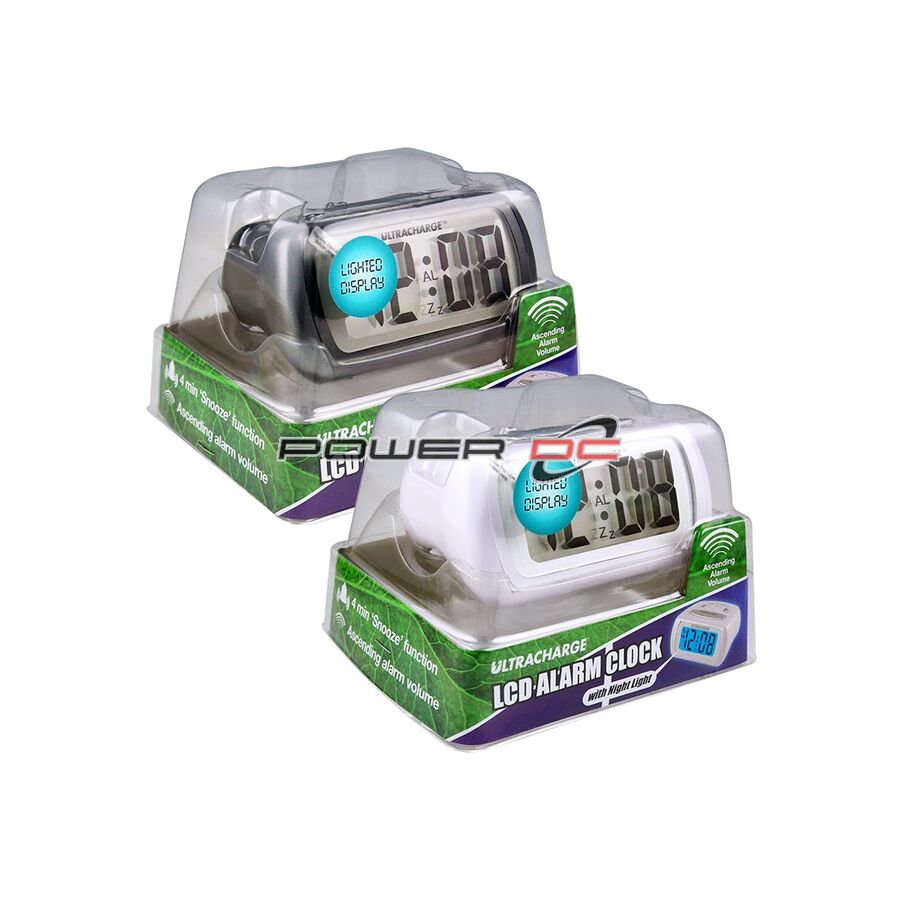
In the modern residential and hospitality sectors, the bedside environment has evolved into a hub of connectivity and technology. While mobile devices have become ubiquitous, the dedicated digital alarm clock remains a staple requirement for functional bedroom design. Its persistence is driven by the need for "at-a-glance" timekeeping that does not require physical interaction with a smartphone, thereby promoting better sleep hygiene. For electrical contractors, interior designers, and facility managers, the installation of these devices is no longer a matter of simply plugging a cord into a standard outlet; it involves a considered approach to power delivery, cable management, and voltage stability.
The transition from analogue mechanical wind-up mechanisms to solid-state electronics has fundamentally changed the power requirements at the bedside. Modern timekeeping units utilise LED (Light Emitting Diode) or LCD (Liquid Crystal Display) interfaces that require a constant, clean power source. Unlike their battery-operated predecessors, these devices are susceptible to mains fluctuations.
A key consideration in specifying these units is the display technology. In a high-end fit-out, preference is often given to units with auto-dimming capabilities via ambient light sensors. This prevents the "light pollution" often associated with cheaper generic electronics. Furthermore, the integration of backup capacitors or battery redundancy is a critical specification point, ensuring that time settings are retained during the brief power interruptions that can occur during grid switching or storms.
The most significant shift in bedroom electrical design is the move away from bulky AC adaptors (wall warts). Contemporary timepieces frequently rely on USB (5V DC) power rather than direct 240V AC connections. This presents an opportunity to streamline the bedside aesthetic by upgrading the General Purpose Outlets (GPOs).
This is where the specification of high-quality infrastructure becomes essential. Instead of occupying a standard three-pin socket with a plastic adaptor, professionals are increasingly installing GPOs with integrated USB charging mechanisms. Schnap Electric Products offers a sophisticated range of USB-integrated wall plates that are engineered to handle the constant low-voltage draw of sensitive electronics. By utilising a Schnap Electric Products USB power point, the user eliminates the need for an external transformer, reducing clutter and minimising the thermal load at the wall interface.
Digital electronics are inherently sensitive to voltage spikes. In the Australian context, where lightning strikes and grid fluctuations are not uncommon, protecting sensitive bedside equipment is a valid concern. While a standard clock may seem like a low-value item, in a commercial hotel fit-out involving hundreds of rooms, the cumulative replacement cost of blown electronics is significant.
Therefore, the circuit design should ideally incorporate surge protection. While whole-house surge protection at the switchboard is the most effective method, point-of-use protection is also viable. When sourcing components for a comprehensive bedroom fit-out, ensuring that the electrical accessories are rated to withstand minor surges is a mark of a quality installation.
One of the often-overlooked aspects of installing bedside electronics is cable management. Loose cabling creates a trip hazard and an unsightly finish. Professional installation often involves the strategic placement of the GPO to be concealed behind the bedside table, or the use of specific mounting accessories to guide cables.
Schnap Electric Products provides a variety of cable management solutions, including looming accessories and secure clips that can be used to route low-voltage power cables neatly along skirting boards or behind furniture. Ensuring that the lead connecting the clock to the power source is free from tension and physical stress is vital for preventing long-term insulation failure.
For large-scale projects, such as hotel refurbishments or multi-residential developments, consistency in electrical accessories is key. Mixing and matching brands can lead to varying shades of white plastic (UV stability differs between manufacturers) and incompatible mounting brackets.
To maintain this consistency, project managers and contractors rely on a trusted supply chain. Visiting a specialised electrical wholesaler is the standard procedure for procuring these materials. A wholesaler ensures that every component—from the Schnap Electric Products switchgear to the underlying cabling—meets the stringent requirements of AS/NZS 3000. Unlike retail outlets, wholesalers can provide technical data sheets regarding the amperage ratings and thermal operating ranges of the USB outlets, ensuring they are capable of powering not just the clock, but also concurrently charging high-draw devices like tablets.
As home automation gains traction, the humble clock is often integrated into broader smart home ecosystems. We are seeing devices that act as voice assistant nodes or smart home controllers. These units have higher power demands and require robust Wi-Fi connectivity. Consequently, the electrical planning must account for potential Wi-Fi dead zones, potentially necessitating the installation of data points or mesh extenders near the sleeping quarters.
While the function of telling time remains simple, the infrastructure supporting the modern digital alarm clock requires professional attention. It is a microcosm of the broader shift in residential electrical needs: a move towards cleaner power, integrated USB charging, and seamless aesthetic design. By utilising purpose-built components from reputable manufacturers like Schnap Electric Products and adhering to professional installation standards, we ensure that the bedside environment remains safe, functional, and uncluttered. Whether for a single private residence or a high-capacity hotel, the focus must always remain on quality infrastructure and reliable power delivery.

SCHNAP Electrical Wholesaler - clear, upfront pricing that professional electricians trust

Get what you need in seconds. SCHNAP electrical wholesaler makes ordering quick and simple

Fast delivery anywhere - that's guaranteed. SCHNAP electrical wholesalers ship nationwide with same-day dispatch

Track your order every step of the way. SCHNAP electrical wholesale keeps you updated from click to delivery

SCHNAP is Australia's premier electrical wholesaler and electrical supplies, marketing thousands of quality products from leading brands. Trusted for nearly two decades by licensed electricians, contractors, and engineers, our range covers everything from basic electrical components to complex industrial electrical equipment
Our key categories include: LED lighting, designer switches, commercial switchboards, circuit protection, security systems & CCTV, and smart home automation
All products are certified to Australian standards (AS/NZS), backed by our 30-day, no-questions-asked return policy. Our expert technical team helps you quickly source the right solution for any residential, commercial, or industrial project, with daily dispatch from our Sydney electrical warehouse delivering Australia-wide
SCHNAP offers the most comprehensive electrical product range, with full technical specifications, application details, installation requirements, compliance standards, and warranties — giving professionals total confidence in every purchase


Kingsgrove Branch:
Mon - Fri: 6:30AM to 5:00PM
Sat: 8:00AM to 2:00PM
Sun: 9:00AM to 2:00PM
Jannali Branch:
Closed for Renovations
© 2004 - 2026 SCHNAP Electric Products