

Kingsgrove Branch:


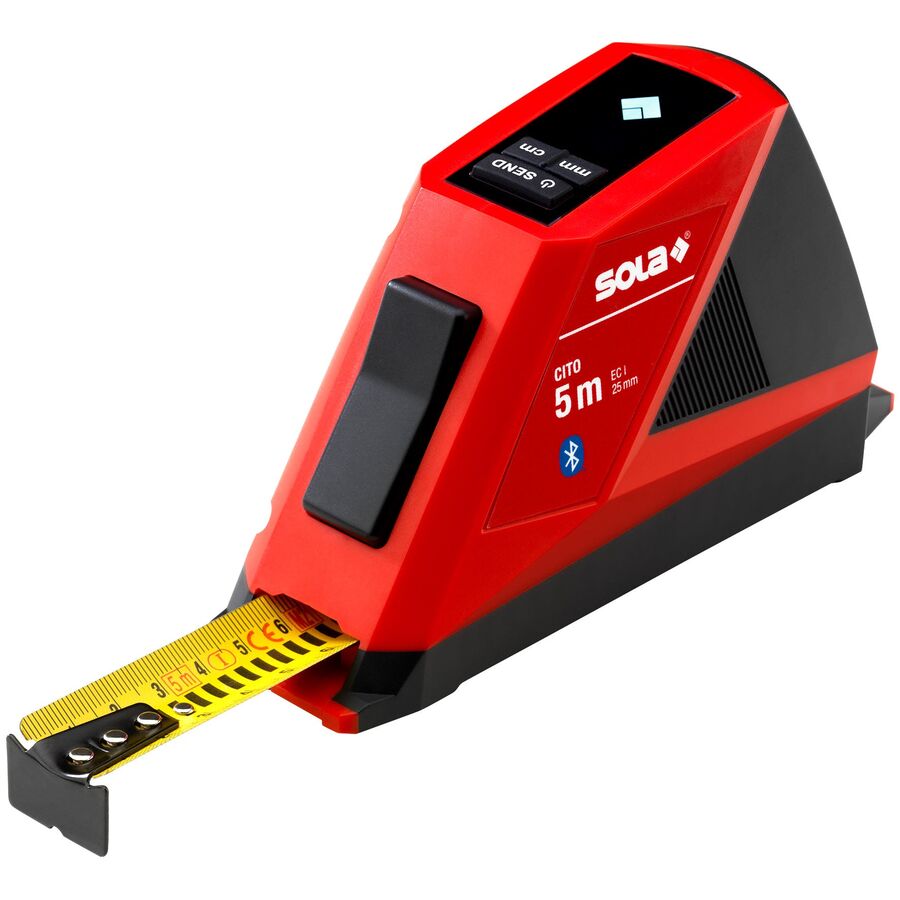
In the high-cost, high-efficiency environment of the Australian construction and engineering sectors, the optimisation of workflow is a constant operational imperative. Traditional analogue methods of linear measurement, while reliable for short-range fabrication, present significant limitations regarding speed, safety, and data integration when applied to large-scale site estimation. The emergence of the digital tape measure—technically classified as the Laser Distance Meter (LDM)—has revolutionised the way trade professionals acquire spatial data. For project managers, electrical contractors, and quantity surveyors, transitioning from mechanical tapes to optoelectronic measurement systems is not merely a matter of convenience; it is a strategic move to reduce labour costs and eliminate human error in the quantification of materials.
To understand the reliability of these devices, one must appreciate the underlying physics. Unlike a mechanical tape which relies on physical extension, a digital laser measure typically operates on the phase-shift principle. The device emits a modulated laser beam (usually Class 2, <1mW) towards a target surface.
When the laser light reflects off the target and returns to the device’s receiving aperture, the internal processor analyses the phase shift between the transmitted and received waveforms. This phase difference is directly proportional to the distance travelled. This method allows for exceptional accuracy, often within ±1.5mm over a distance of 100 metres. This level of precision is critical when ordering high-cost infrastructure materials, such as heavy-duty mains cabling or custom-fabricated ductwork, where over-ordering creates waste and under-ordering causes costly project delays.
The primary economic driver for the adoption of digital measurement tools is the reduction in labour requirements. Measuring a 30-metre warehouse span with a traditional steel tape is a two-person task: one to hold the zero end and one to read the measurement, often requiring a scissor lift to clear obstacles.
With a digital device, this becomes a rapid, one-person operation. The operator simply places the device against the reference wall and targets the opposing surface. The measurement is instantaneous. This capability is particularly valuable for quoting and estimating. A contractor can walk a site and generate a complete bill of materials for conduit and cabling in a fraction of the time required by traditional methods. When sourcing supplies from an electrical wholesaler, the ability to provide exact lengths rather than rough estimates allows for more accurate budgeting and reduces the volume of scrap copper left on the site floor.
A distinct technical advantage of digital units is the integration of algorithmic functions, specifically the Pythagorean mode. This allows for the indirect measurement of height or width where direct line-of-sight is obstructed or where physical access is dangerous.
For example, measuring the height of a cable tray suspended in a high ceiling void would traditionally require a ladder or platform. Using the Pythagorean function, the operator stands at a distance, measures the hypotenuse (distance to the top of the tray) and the base (distance to the wall below the tray). The internal processor then calculates the vertical height using the Pythagorean theorem ($a^2 + b^2 = c^2$). This feature significantly enhances site safety by keeping boots on the ground and reducing the frequency of working-at-heights incidents, a key focus of Safe Work Australia protocols.
The modern construction site is data-driven. Advanced digital measures now feature Bluetooth connectivity, allowing them to interface directly with smartphones and tablets running CAD or Building Information Modelling (BIM) software.
This "scan-to-plan" workflow eliminates the transcription errors that frequently occur when jotting down measurements in a notebook. Dimensions are transferred directly into the digital plan, creating an instant, as-built record. For electrical engineers designing complex reticulation systems, this means that the physical reality of the site can be mapped into the digital twin with millimetre precision.
Given the harsh nature of Australian worksites, delicate electronics are often viewed with scepticism. However, professional-grade digital measures are engineered with robust Ingress Protection (IP) ratings, typically IP54 or IP65. This ensures resistance to the pervasive dust of a building site and protection against water spray.
The housing is usually constructed from impact-resistant ABS with a rubberised over-mould to withstand drops onto concrete. When selecting tools, professionals should look for units that have been drop-tested to at least one metre. This ruggedness allows the tool to survive in the same tool bag as heavy-duty hardware.
For the electrical trade, the digital measure is indispensable for planning cable routes. When calculating the linear meterage for a long run of Schnap Electric Products flexible conduit or determining the requisite length of cable ladder, the laser measure cuts through the clutter of a busy site.
Furthermore, accurate measurement is vital for voltage drop calculations. A precise distance reading ensures that the cable cross-section selected is adequate for the run length, maintaining compliance with AS/NZS 3000. It also aids in the precise ordering of protection mechanics. If a contractor needs to install Schnap Electric Products cable cover strips over a specific length of underground trench, the laser measure ensures that the quantity ordered covers the trench perfectly without the need for excessive joining or cutting.
The digital tape measure represents the convergence of metrology and information technology. It transforms the physical act of measuring into a digital data point, ready for integration into the complex logistics of modern construction. By leveraging the accuracy of laser physics, utilizing indirect measurement algorithms to enhance safety, and integrating these tools with robust materials from trusted brands like Schnap Electric Products, industry professionals can achieve a level of precision and efficiency that traditional methods simply cannot match. In the science of estimation, the laser provides the definitive answer.

SCHNAP Electrical Wholesaler - clear, upfront pricing that professional electricians trust

Get what you need in seconds. SCHNAP electrical wholesaler makes ordering quick and simple

Fast delivery anywhere - that's guaranteed. SCHNAP electrical wholesalers ship nationwide with same-day dispatch

Track your order every step of the way. SCHNAP electrical wholesale keeps you updated from click to delivery

SCHNAP is Australia's premier electrical wholesaler and electrical supplies, marketing thousands of quality products from leading brands. Trusted for nearly two decades by licensed electricians, contractors, and engineers, our range covers everything from basic electrical components to complex industrial electrical equipment
Our key categories include: LED lighting, designer switches, commercial switchboards, circuit protection, security systems & CCTV, and smart home automation
All products are certified to Australian standards (AS/NZS), backed by our 30-day, no-questions-asked return policy. Our expert technical team helps you quickly source the right solution for any residential, commercial, or industrial project, with daily dispatch from our Sydney electrical warehouse delivering Australia-wide
SCHNAP offers the most comprehensive electrical product range, with full technical specifications, application details, installation requirements, compliance standards, and warranties — giving professionals total confidence in every purchase


Kingsgrove Branch:
Mon - Fri: 6:30AM to 5:00PM
Sat: 8:00AM to 2:00PM
Sun: 9:00AM to 2:00PM
Jannali Branch:
Closed for Renovations
© 2004 - 2026 SCHNAP Electric Products