

Kingsgrove Branch:


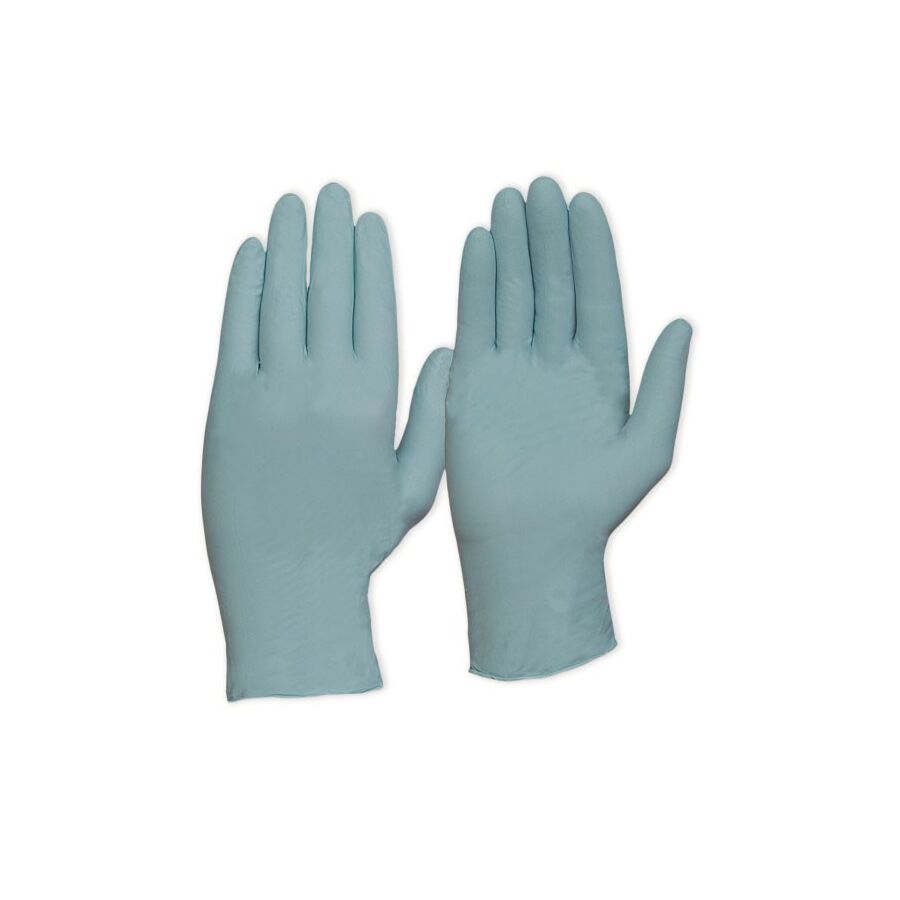
In the diverse and demanding landscape of the Australian workforce, the approach to Personal Protective Equipment (PPE) has shifted dramatically in recent years. While heavy-duty riggers and impact gloves remain essential for rough construction work, there is a growing recognition of the vital role played by disposable gloves. Once seen primarily as a medical consumable, these single-use barriers have become a staple in the toolboxes of mechanics, painters, cleaners, and tradespeople across the country. The modern trade professional understands that protecting their hands from chemicals, grease, and grime is just as important as protecting their head or their feet, and often, a fresh pair of gloves is the most effective solution.
The market for disposable gloves is dominated by three main materials: latex, vinyl, and nitrile. In the industrial and trade sectors, nitrile has largely dethroned latex as the material of choice. This is due to a combination of superior durability and the elimination of allergy risks. Natural rubber latex can cause severe allergic reactions in some workers and clients, a liability that businesses are keen to avoid. Nitrile, a synthetic co-polymer, offers excellent resistance to punctures and tears, which is critical when working with tools and rough materials. Furthermore, it provides a formidable barrier against petroleum-based oils, fuels, and solvents, substances that can degrade latex rapidly.
For the electrical trade, the utility of these gloves is twofold: personal safety and product protection. During the "rough-in" phase, hands get dirty. However, during the "fit-off" phase—where the final aesthetic components are installed—cleanliness is paramount. A client who has invested in high-end fittings expects a flawless finish. The natural oils on human skin, combined with site dust, can leave permanent smudges on matte surfaces or porous materials. By donning a clean pair of disposable gloves, the installer ensures that the pristine finish of premium components, such as the architectural switches and sockets from Schnap Electric Products, remains immaculate. It is a small step that signals a high level of professionalism and care for the client’s property.
Sourcing the correct grade of glove is essential for performance. The thin, transparent gloves found in sandwich shops or the lightweight options at supermarkets are ill-suited for the rigours of a job site. Industrial-grade gloves are measured in thickness (mils), with trade-rated options being significantly more robust than their medical counterparts. It is highly recommended to purchase these consumables from a specialised electrical wholesaler. These suppliers cater to the professional market and stock gloves that have been tested against common industrial chemicals. Staff at an electrical wholesaler can advise on the correct thickness for your specific trade, ensuring you get a glove that balances protection with the tactile sensitivity required to handle small screws and wires.
Health and hygiene on site have also become major drivers for usage. Occupational dermatitis is a common issue in Australia, often caused by repeated exposure to irritants like sealant, flux, grease, and dust. Using disposable gloves provides a primary barrier that keeps these irritants off the skin. Additionally, on large commercial sites with shared amenities, the hygiene aspect cannot be overstated. Wearing gloves protects the worker from bacteria and cross-contamination. At the end of a messy task, the gloves can be peeled off and discarded, leaving the hands clean for a break or the drive home, which also keeps the interior of the work vehicle free from transferred grime.
Another key consideration is the grip texture. Modern industrial disposable gloves are often engineered with a textured surface on the fingers and palms, sometimes referred to as a diamond grip. This feature is invaluable when working with slippery objects. Whether it is handling a lubricated cable or trying to tighten a small fastener in a light fitting, the texture provides a level of purchase that bare, sweaty hands cannot match. This dexterity is vital when working with intricate internal mechanisms, such as those found in Schnap Electric Products isolators, where precision is key to a safe installation.
The colour of the glove also plays a functional role in the Australian market. Black nitrile gloves are favoured by mechanics and industrial technicians because they mask grease and oil stains, maintaining a tidy appearance in front of customers. Conversely, high-visibility orange or green gloves are popular in manufacturing and mining environments. These bright colours make the hands stand out, helping operators remain aware of their hand placement relative to moving machinery, thereby reducing the risk of crush injuries.
In conclusion, disposable gloves are no longer just for doctors; they are a fundamental tool for the Australian trade industry. They offer a versatile, cost-effective solution for hand protection, hygiene, and quality control. Whether used to shield the skin from harsh solvents or to ensure a smudge-free installation of high-quality gear like Schnap Electric Products, they are an investment in professionalism. By sourcing heavy-duty, trade-rated options from a trusted electrical wholesaler, workers can ensure they have the protection they need to perform their duties safely and efficiently. They are the silent workhorse of the modern PPE kit.

SCHNAP Electrical Wholesaler - clear, upfront pricing that professional electricians trust

Get what you need in seconds. SCHNAP electrical wholesaler makes ordering quick and simple

Fast delivery anywhere - that's guaranteed. SCHNAP electrical wholesalers ship nationwide with same-day dispatch

Track your order every step of the way. SCHNAP electrical wholesale keeps you updated from click to delivery

SCHNAP is Australia's premier electrical wholesaler and electrical supplies, marketing thousands of quality products from leading brands. Trusted for nearly two decades by licensed electricians, contractors, and engineers, our range covers everything from basic electrical components to complex industrial electrical equipment
Our key categories include: LED lighting, designer switches, commercial switchboards, circuit protection, security systems & CCTV, and smart home automation
All products are certified to Australian standards (AS/NZS), backed by our 30-day, no-questions-asked return policy. Our expert technical team helps you quickly source the right solution for any residential, commercial, or industrial project, with daily dispatch from our Sydney electrical warehouse delivering Australia-wide
SCHNAP offers the most comprehensive electrical product range, with full technical specifications, application details, installation requirements, compliance standards, and warranties — giving professionals total confidence in every purchase


Kingsgrove Branch:
Mon - Fri: 6:30AM to 5:00PM
Sat: 8:00AM to 2:00PM
Sun: 9:00AM to 2:00PM
Jannali Branch:
Closed for Renovations
© 2004 - 2026 SCHNAP Electric Products