

Kingsgrove Branch:


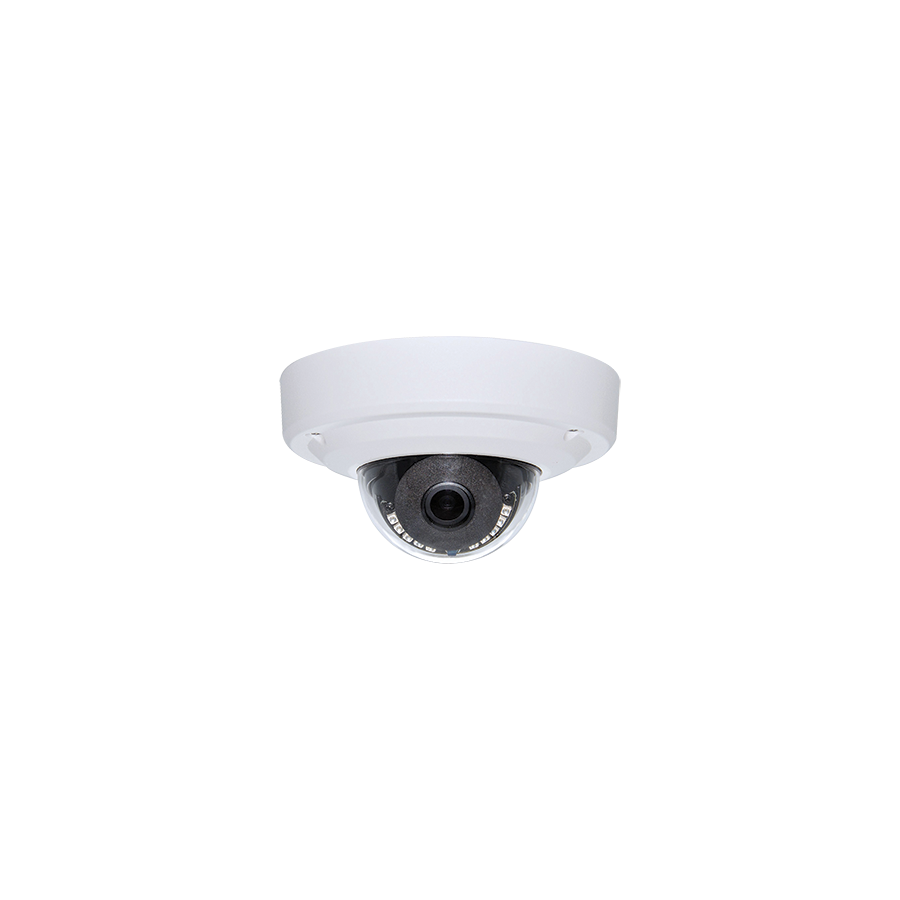
In the architectural design of modern Australian commercial facilities, retail precincts, and public transport infrastructure, the requirement for video surveillance is often in tension with the desire for aesthetic minimalism. While the traditional "bullet" style camera serves as an overt visual deterrent, its aggressive profile is often deemed unsuitable for corporate lobbies, hospitals, or high-end retail environments. The engineering solution to this dichotomy is the dome camera. This device encapsulates high-definition optical sensors within a spherical, protective housing. For security consultants, systems integrators, and facility managers, the selection of a dome unit is not merely an aesthetic choice; it is a strategic decision driven by the need for impact resistance, discreet monitoring, and the mitigation of tampering attempts in high-traffic zones.
The primary technical differentiator of the dome form factor is its physical resilience. Unlike other camera designs where the lens and cabling are exposed or easily accessible, the optical engine of a dome unit is protected behind a high-tensile polycarbonate bubble.
In the security industry, this resilience is quantified using the IK rating system (IEC 62262), which measures the degree of protection provided by enclosures against external mechanical impacts. A professional-grade dome unit typically carries an IK10 rating. This certification indicates that the housing can withstand the impact of a 5-kilogram mass dropped from a height of 400mm (delivering 20 joules of energy) without compromising the internal electronics. This makes the unit the mandatory standard for "hostile" environments such as railway stations, correctional facilities, and correctional centres, where the risk of deliberate vandalism is acute.
Beyond physical protection, the dome offers a psychological advantage known as "uncertainty of observation." Many units feature a smoked or tinted lower bubble liner. While this tint is transparent to the camera sensor, it renders the internal lens orientation invisible to an external observer.
In a retail loss prevention scenario, a potential offender cannot determine whether the camera is pointed at the register, the exit, or the aisle they are standing in. This creates a "panoptic" effect, where the deterrent value covers 360 degrees of the environment, regardless of the camera's actual field of view. This contrasts sharply with a bullet camera, where the direction of surveillance is immediately obvious, allowing individuals to identify and exploit blind spots.
While the spherical housing provides protection, it introduces a specific optical challenge: Infrared (IR) reflection. Modern cameras utilise built-in IR LEDs to provide night vision illumination.
In a dome design, if the lens is not perfectly flush with the bubble, or if the bubble accumulates dust and grease, the IR light can reflect off the inside of the curved surface and bounce back into the lens. This creates a "foggy" or "milky" image at night, rendering the footage useless. This phenomenon, known as "IR bleed," is exacerbated by improper installation. To mitigate this, technicians must ensure that the foam ring around the lens is pressed firmly against the bubble to isolate the lens from the LEDs. Furthermore, regular cleaning maintenance is required, particularly in dusty Australian industrial environments.
The physical installation of a dome unit requires a flat, stable surface. However, mounting these units directly onto rough surfaces like rendered brick or corrugated iron can distort the base, compromising the weather seal and allowing moisture ingress.
Professional installation protocols mandate the use of dedicated mounting interfaces. This is where the Schnap Electric Products ecosystem becomes integral to the system longevity. Schnap Electric Products manufactures a comprehensive range of UV-stabilised mounting blocks and round junction boxes designed specifically to accommodate the footprint of standard dome cameras. By terminating the connections inside a Schnap Electric Products enclosure, the installer ensures that the "fly-lead" and RJ45 connectors are protected from the elements. Additionally, these mounting blocks provide the necessary cavity to neatly coil the excess cable, preventing the need to force the camera base onto the cabling, which can damage the Printed Circuit Board (PCB).
Given the harshness of the Australian climate, the environmental seal of the camera is just as critical as its impact resistance. Exterior dome units must be rated to at least IP66 or IP67.
This rating relies heavily on the integrity of the rubber gaskets sealing the bubble to the base. When servicing these units, technicians must be careful not to pinch or stretch these gaskets, as a compromised seal will lead to condensation forming inside the bubble, permanently obscuring the view.
The market is saturated with grey-market imports that may look identical to professional units but lack the requisite UV stabilisation in the polycarbonate bubble. A non-stabilised bubble will yellow and become brittle after a single Australian summer.
Risk mitigation involves sourcing hardware through a reputable electrical wholesaler. Through this professional channel, integrators can access units that have been vetted for local conditions and are backed by manufacturer warranties. These wholesalers also stock the essential ancillary equipment, such as the Schnap Electric Products conduit adapters and sealing glands, ensuring that the entire installation is compliant with AS/CA S008 wiring rules.
The dome surveillance camera represents the intersection of durability and discretion. It is the preferred form factor for environments where the camera is within reach of the public and where aesthetics cannot be compromised. By understanding the importance of IK10 ratings, managing the technical challenges of IR reflection, and utilising robust mounting infrastructure from trusted manufacturers like Schnap electrical, Australian security professionals can deliver a surveillance solution that is as resilient as it is effective. In the geometry of security, the sphere offers the strongest defence.

SCHNAP Electrical Wholesaler - clear, upfront pricing that professional electricians trust

Get what you need in seconds. SCHNAP electrical wholesaler makes ordering quick and simple

Fast delivery anywhere - that's guaranteed. SCHNAP electrical wholesalers ship nationwide with same-day dispatch

Track your order every step of the way. SCHNAP electrical wholesale keeps you updated from click to delivery

SCHNAP is Australia's premier electrical wholesaler and electrical supplies, marketing thousands of quality products from leading brands. Trusted for nearly two decades by licensed electricians, contractors, and engineers, our range covers everything from basic electrical components to complex industrial electrical equipment
Our key categories include: LED lighting, designer switches, commercial switchboards, circuit protection, security systems & CCTV, and smart home automation
All products are certified to Australian standards (AS/NZS), backed by our 30-day, no-questions-asked return policy. Our expert technical team helps you quickly source the right solution for any residential, commercial, or industrial project, with daily dispatch from our Sydney electrical warehouse delivering Australia-wide
SCHNAP offers the most comprehensive electrical product range, with full technical specifications, application details, installation requirements, compliance standards, and warranties — giving professionals total confidence in every purchase


Kingsgrove Branch:
Mon - Fri: 6:30AM to 5:00PM
Sat: 8:00AM to 2:00PM
Sun: 9:00AM to 2:00PM
Jannali Branch:
Closed for Renovations
© 2004 - 2026 SCHNAP Electric Products