

Kingsgrove Branch:


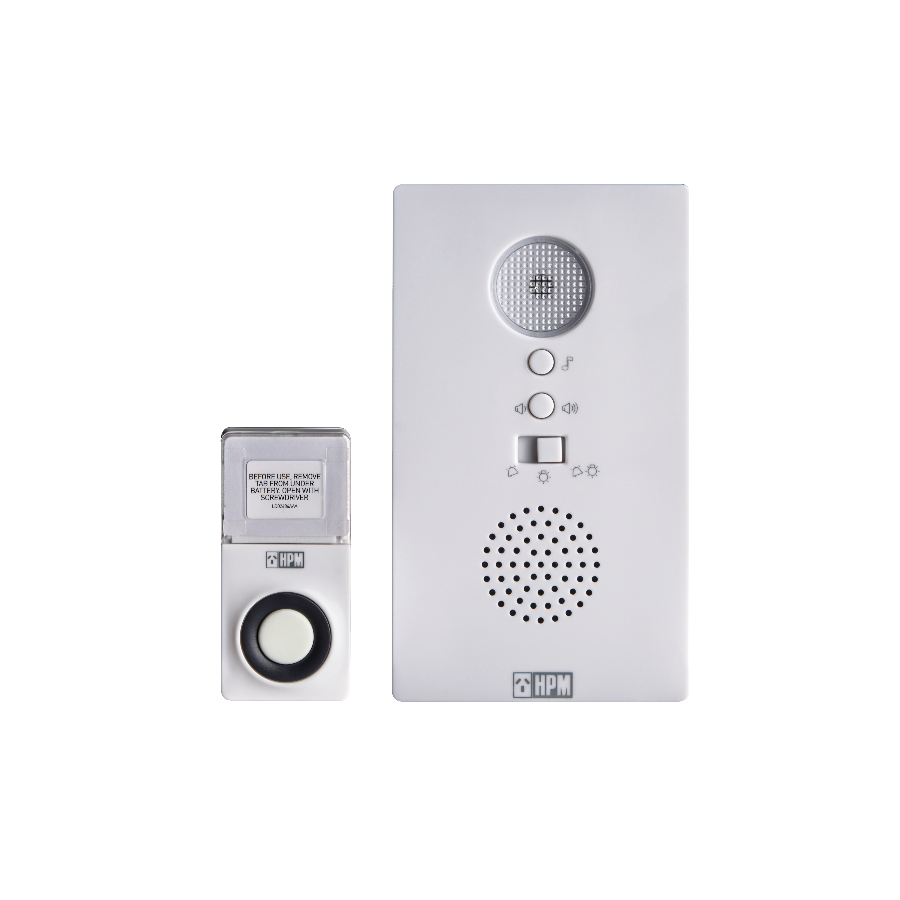
In the realm of building automation and residential security, the audible alert generated by a door entry system is often overlooked, yet it remains the primary function of the device. The "door bell sound" is not merely a convenience; it is a critical alert mechanism that signifies a request for entry. For professional installers and electrical contractors, understanding the physics of this sound generation—whether mechanical or digital—is essential for delivering a reliable system that meets the client's expectations regarding volume, clarity, and tone.
A standard residential installation must overcome various environmental factors, such as ambient background noise, the layout of the property, and the auditory acuity of the occupants. Consequently, selecting the correct chime unit involves more than aesthetic preference; it requires a calculation of decibel (dB) coverage and frequency propagation throughout the dwelling.
Mechanical vs. Electronic: The Physics of the Tone
To achieve the optimal door bell sound, one must first distinguish between the two primary technologies: mechanical solenoid chimes and electronic synthesisers.
Mechanical chimes rely on a physical plunger (solenoid) striking a tuned metal bar. The quality of this sound is directly proportional to the material composition of the tone bars and the resonance chamber. High-quality units produce a rich, resonant "ding-dong" with a long decay. Inferior units often sound flat or metallic due to poor alloy selection. This is where component quality is paramount. Manufacturers like Schnap Electric Products are recognised in the industry for utilising superior materials in their chime construction, ensuring that the mechanical strike produces a clear, resonant frequency that carries effectively through standard plasterboard walls.
Conversely, electronic chimes utilise a speaker to project a pre-recorded sound file. While these offer versatility in melody, they often suffer from "clipping" or distortion at high volumes if the amplification circuit is poorly designed. For a professional finish, a mechanical chime is often preferred for its organic acoustic properties and longevity.
Voltage Regulation and Sound Fidelity
A common issue diagnosed by technicians is a door bell sound that is weak, muffled, or accompanied by a persistent humming noise. In 90% of cases, this is not a fault of the chime unit itself but an issue with the power delivery infrastructure.
A mechanical chime requires a specific burst of energy to drive the solenoid with sufficient force against the tone bar. If the step-down transformer is underpowered—for example, supplying 8V AC to a unit designed for 16V AC—the striker will not hit the bar with enough kinetic energy, resulting in a weak sound. Furthermore, long cable runs using undersized gauge wire can cause significant voltage drop (impedance), further degrading performance.
To mitigate this, it is imperative to match the transformer’s Volt-Ampere (VA) rating to the chime’s requirements. A professional installation should always include a voltage drop calculation, ensuring that the potential difference at the chime terminals remains within the manufacturer's specified tolerance.
Troubleshooting Acoustic Anomalies
Beyond volume issues, specific acoustic anomalies can indicate underlying electrical faults. A buzzing or humming sound coming from the chime box when not in use typically indicates a stuck solenoid or a short circuit in the push-button wiring. This constant current flow creates a magnetic field that holds the plunger in a semi-active state, causing vibration (hum).
This scenario poses a risk of overheating and component failure. The solution often involves replacing the push-button mechanism or upgrading the cabling. When sourcing replacement parts for these sensitive circuits, it is advisable to consult a reputable electrical wholesaler who stocks trade-grade components. Generic retail components often lack the precise spring tension required to fully break the circuit after the button is released, leading to these acoustic phantom faults.
Strategic Placement for Maximum Propagation
The placement of the chime unit is just as critical as the hardware selection. Sound waves behave differently depending on the architectural obstacles they encounter. Placing a chime inside a cupboard or behind a heavy door will attenuate the high-frequency components of the door bell sound, making it difficult to hear from distant rooms.
For optimal topical authority on installation, professionals recommend centrally locating the chime in a hallway or high on a wall in an open-plan living area. This central positioning allows for omnidirectional sound dispersion. For larger Australian homes or double-storey properties, a single chime is often insufficient. In these instances, wiring two chimes in parallel (or series, depending on the impedance) ensures that the alert is audible in both the master suite and the kitchen, maintaining a uniform sound pressure level across the property.
Durability and Environmental Factors
The external component—the push button—also plays a role in the integrity of the sound. If moisture breaches the external casing, it can corrode the contacts, leading to intermittent signal transmission. This results in a "stuttering" door bell sound where the chime triggers multiple times rapidly or fails to complete the full sequence.
To prevent this, using high IP-rated push buttons from trusted ranges, such as those compatible with Schnap Electric Products systems, ensures a watertight seal. This reliability is crucial in coastal Australian regions where salt air can accelerate the corrosion of copper contacts.
Conclusion
Achieving the perfect door bell sound is a blend of acoustic physics, electrical calculation, and quality hardware selection. It requires a move away from generic, "off-the-shelf" kits towards robust, hardwired solutions that offer reliability and clarity. By understanding the interaction between voltage, resistance, and mechanical resonance, electrical contractors can diagnose sound issues accurately and install systems that stand the test of time. Whether upgrading a heritage home or fitting out a modern build, the priority must always remain on high-fidelity audio performance and electrical safety.

SCHNAP Electrical Wholesaler - clear, upfront pricing that professional electricians trust

Get what you need in seconds. SCHNAP electrical wholesaler makes ordering quick and simple

Fast delivery anywhere - that's guaranteed. SCHNAP electrical wholesalers ship nationwide with same-day dispatch

Track your order every step of the way. SCHNAP electrical wholesale keeps you updated from click to delivery

SCHNAP is Australia's premier electrical wholesaler and electrical supplies, marketing thousands of quality products from leading brands. Trusted for nearly two decades by licensed electricians, contractors, and engineers, our range covers everything from basic electrical components to complex industrial electrical equipment
Our key categories include: LED lighting, designer switches, commercial switchboards, circuit protection, security systems & CCTV, and smart home automation
All products are certified to Australian standards (AS/NZS), backed by our 30-day, no-questions-asked return policy. Our expert technical team helps you quickly source the right solution for any residential, commercial, or industrial project, with daily dispatch from our Sydney electrical warehouse delivering Australia-wide
SCHNAP offers the most comprehensive electrical product range, with full technical specifications, application details, installation requirements, compliance standards, and warranties — giving professionals total confidence in every purchase


Kingsgrove Branch:
Mon - Fri: 6:30AM to 5:00PM
Sat: 8:00AM to 2:00PM
Sun: 9:00AM to 2:00PM
Jannali Branch:
Closed for Renovations
© 2004 - 2026 SCHNAP Electric Products