

Kingsgrove Branch:


In the architectural landscape of the Australian home, the front entrance is more than just a point of ingress; it is the handshake of the property. It sets the tone for visitors, couriers, and family alike. While the choice of door timber and handle hardware often gets the most attention during a renovation or build, the humble notification system—the door bell—is arguably the most functional element of the entryway. Over the decades, door bells have evolved from simple mechanical knockers and rotary bells to sophisticated electronic chimes and integrated security devices. However, regardless of the technology employed, the fundamental purpose remains the same: to announce a presence clearly and reliably.
For many Australian homeowners, the debate often centres on the choice between a traditional hardwired system and a modern wireless alternative. The wireless option offers undeniably easy installation, often requiring nothing more than some double-sided tape and a couple of batteries. This makes them a favourite for renters or for retrofitting older homes where running new cabling through double-brick walls is a nightmare. However, wireless systems are not without their faults. Signal interference from other devices, limited range on large blocks, and the perpetual nuisance of dead batteries can lead to missed deliveries and frustrated visitors.
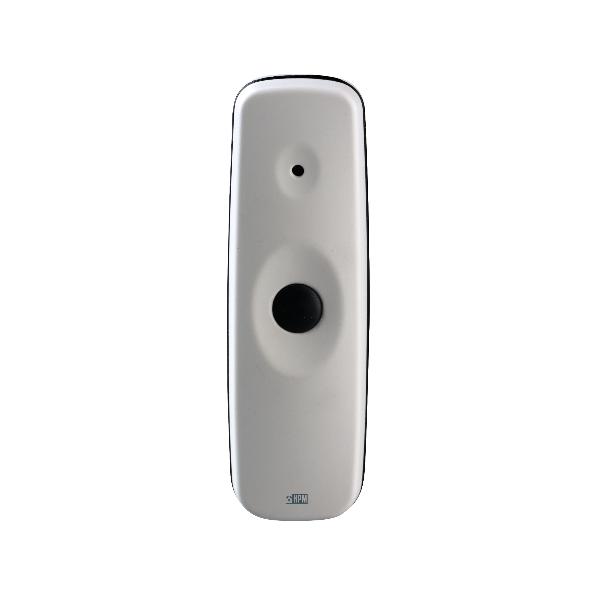
This is why the hardwired system remains the gold standard for professional builders and renovators. A hardwired setup is permanent, reliable, and maintenance-free. It draws power directly from the home’s mains electricity (stepped down via a transformer), ensuring that the bell rings every single time the button is pressed. The components required for a hardwired system—the bell press, the wiring, the transformer, and the chime unit—must be of high quality to withstand the rigours of daily use. This is where the choice of hardware becomes critical. Installing a robust bell press mechanism, such as those offered in the comprehensive range from Schnap Electric Products, ensures that the external switch can survive the harsh Australian elements. UV radiation, driving rain, and salt spray in coastal areas can degrade inferior plastics rapidly, leading to cracked buttons and water ingress. Schnap Electric Products are engineered with these conditions in mind, providing a durable interface that retains its colour and mechanical action for years.
The installation of a hardwired system is a task that typically involves working with mains voltage to the transformer, even if the bell wire itself is low voltage. As such, sourcing the correct components is vital for safety and compliance. While general hardware chains stock basic DIY kits, they often lack the heavy-duty components required for a custom architectural install. It is highly recommended to visit a professional electrical. These suppliers cater to the trade industry and stock a wider variety of chime sounds, transformers with the correct amperage ratings, and illuminated bell presses. Staff at an electrical wholesaler can also provide valuable advice on matching the impedance of the chime to the transformer to prevent humming or burnout, a common issue with mismatched generic components.
Beyond the basic function of alerting residents, modern door bells have become a central pillar of home security. The rise of the "smart" video doorbell has revolutionised how Australians interact with their front door. These devices connect to the home Wi-Fi network and send a real-time video feed to a smartphone whenever motion is detected or the button is pressed. This allows homeowners to answer the door from anywhere in the world—whether they are in the backyard, at the office, or on holiday in Bali. This technology has proven to be a massive deterrent against "porch pirates" stealing parcels and provides peace of mind for parents wanting to know who is at the door before their children answer it.
However, even with smart technology, the physical aesthetic of the installation matters. A high-tech camera unit mounted on a flimsy piece of plastic looks like an afterthought. Many homeowners are now choosing to integrate these smart systems with custom mounting plates or surrounding them with high-quality electrical accessories. Integrating the smart unit with the clean lines of Schnap Electric Products faceplates or mounting blocks can help blend the technology seamlessly into the facade of the home, maintaining curb appeal without sacrificing functionality.
The sound of the chime itself is another area of customisation. The harsh "buzz" of older units has largely been replaced by multi-tone polyphonic melodies or the classic "ding-dong" struck by a real solenoid hitting metal bars. The acoustic design of the chime unit dictates how far the sound travels through the house. In large, open-plan Australian homes, a single chime unit in the hallway might not be audible in the alfresco area or the upstairs bedrooms. In these scenarios, a wired system allows for multiple chime units to be triggered by a single press of the Schnap Electric Products button at the front door, ensuring the alert is heard throughout the property.
In conclusion, door bells are a small but significant component of the modern home ecosystem. They bridge the gap between the exterior and the interior, providing security, convenience, and a sense of welcome. Whether you prefer the set-and-forget reliability of a hardwired system powered by robust components, or the high-tech connectivity of a video unit, quality matters. By sourcing durable gear from reputable manufacturers and seeking advice from a trusted electrical wholesaler, you can ensure that your front door remains a reliable point of contact. It is about ensuring that when opportunity knocks—or rings—you are always ready to answer.

SCHNAP Electrical Wholesaler - clear, upfront pricing that professional electricians trust

Get what you need in seconds. SCHNAP electrical wholesaler makes ordering quick and simple

Fast delivery anywhere - that's guaranteed. SCHNAP electrical wholesalers ship nationwide with same-day dispatch

Track your order every step of the way. SCHNAP electrical wholesale keeps you updated from click to delivery

SCHNAP is Australia's premier electrical wholesaler and electrical supplies, marketing thousands of quality products from leading brands. Trusted for nearly two decades by licensed electricians, contractors, and engineers, our range covers everything from basic electrical components to complex industrial electrical equipment
Our key categories include: LED lighting, designer switches, commercial switchboards, circuit protection, security systems & CCTV, and smart home automation
All products are certified to Australian standards (AS/NZS), backed by our 30-day, no-questions-asked return policy. Our expert technical team helps you quickly source the right solution for any residential, commercial, or industrial project, with daily dispatch from our Sydney electrical warehouse delivering Australia-wide
SCHNAP offers the most comprehensive electrical product range, with full technical specifications, application details, installation requirements, compliance standards, and warranties — giving professionals total confidence in every purchase


Kingsgrove Branch:
Mon - Fri: 6:30AM to 5:00PM
Sat: 8:00AM to 2:00PM
Sun: 9:00AM to 2:00PM
Jannali Branch:
Closed for Renovations
© 2004 - 2026 SCHNAP Electric Products