

Kingsgrove Branch:


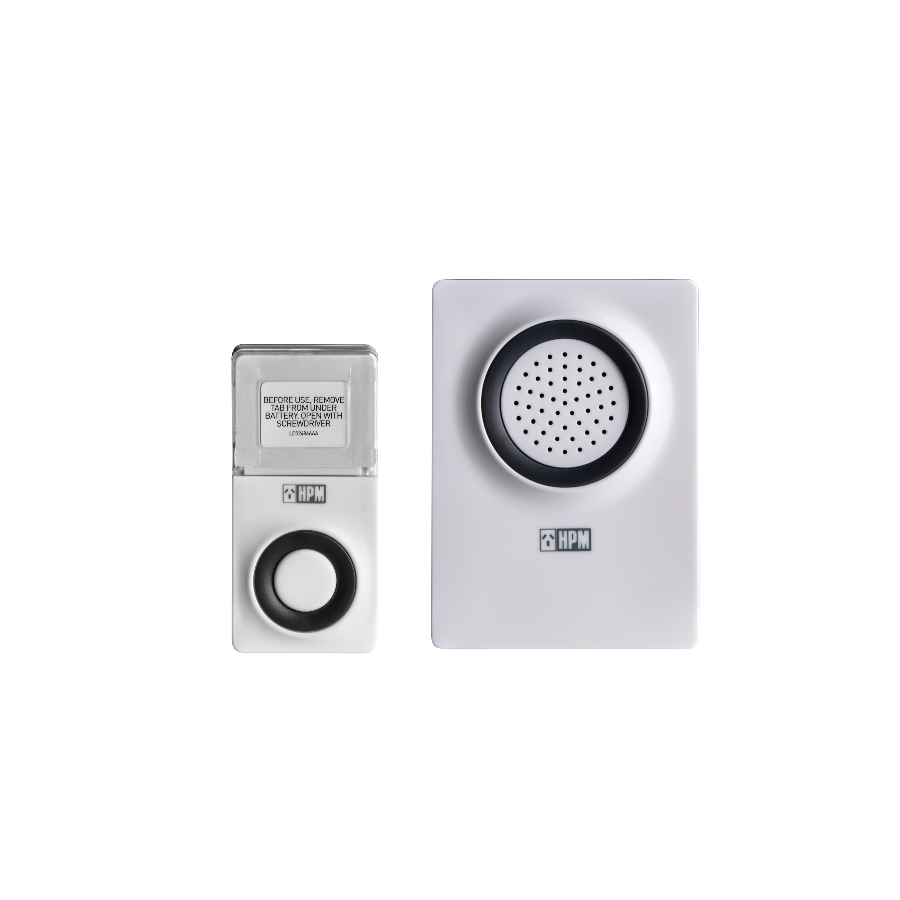
In the architectural planning and electrical fit-out of Australian residences, the auditory signaling system is a fundamental component of property accessibility and security. While video integration has gained traction, the traditional auditory signal remains the primary method of alerting occupants to visitors. A dedicated door chime system, whether electro-mechanical or digital, ensures that entry requests are communicated effectively throughout the dwelling. This guide examines the technical nuances of these systems, the critical differences between wired and wireless configurations, and the importance of selecting distinct, high-quality components.
The fundamental operation of an entry signaling system relies on a trigger mechanism (the push button) and a receiver (the sounding unit). In professional electrical practice, ensuring reliability between these two points is paramount. The market is divided into two primary categories: hardwired systems and wireless radio-frequency (RF) systems.
Hardwired systems are generally preferred in new builds and major renovations due to their permanence and lack of maintenance. These systems typically operate on low voltage, requiring a step-down transformer to convert the standard Australian 230-240V mains supply to a safer 8V, 12V, or 24V current suitable for the chime mechanism. This reduction in voltage is a critical safety feature, minimising the risk of shock at the external push-button location, which is often exposed to the elements.
For retrofit scenarios where running cabling through double-brick walls or established insulation is impractical, wireless systems offer a viable alternative. These units operate on specific radio frequencies to transmit the signal from the transmitter (button) to the receiver.
However, professionals must be cognisant of potential interference. In dense residential areas, signal crossover from garage door openers or neighbouring devices can occur. High-end wireless units mitigate this through encrypted frequencies. Furthermore, the operational range must be calculated based on the building materials; concrete and steel reinforcement can significantly dampen RF signals, necessitating the use of range extenders in larger properties.
The longevity of any electrical installation is dictated by the quality of its components. This is particularly true for the external interface—the push button. This component is subjected to high UV radiation, rain, and physical wear.
This is where selecting robust hardware becomes essential. Integrating components from reputable manufacturers like Schnap Electric Products ensures that the tactile interface maintains its integrity over time. Schnap Electric Products offers a range of Bell Press mechanisms and weatherproof switch gear that are compatible with standard Australian mounting blocks. Using a high-quality Bell Press mechanism from Schnap Electric Products ensures a consistent electrical contact closure, preventing the "sticking" or failure common in inferior generic components.
Topical authority on this subject requires an understanding of acoustics. The placement of the internal receiver unit should be strategic. It is not merely about mounting the device on the nearest available wall; it is about centralising the sound source to ensure audibility across the living zones.
In multi-storey residences, a single receiver is often insufficient. Professional installers will frequently specify a dual-receiver setup or a system capable of driving multiple sounders. The decibel rating (dB) must be balanced; it needs to be audible over ambient noise (such as air conditioning or television) without being physically uncomfortable for occupants near the source.
Adherence to AS/NZS 3000 (The Wiring Rules) is mandatory for any fixed wiring work associated with hardwired systems. While the chime unit itself operates on Extra-Low Voltage (ELV), the transformer connection to the mains supply is Low Voltage (LV) work and must be performed by a licensed electrician.
When procuring these systems, trade professionals typically rely on a dedicated electrical wholesaler to source compliant gear. Unlike general hardware stores, a specialised wholesaler ensures that all transformers, cable gauges, and isolation switches meet the specific regulatory standards required for Australian insurance and safety compliance. Through these channels, installers can access trade-grade acoustic devices and the necessary Schnap Electric Products accessories to complete a compliant installation.
Modern switchboards are equipped with RCDs (Residual Current Devices) and RCBOs. When installing a hardwired transformer for a chime system, it is vital to ensure that the circuit design prevents nuisance tripping. A dedicated circuit is rarely necessary for a chime alone, but it is standard practice to wire the transformer into a lighting circuit, ensuring it is protected by the appropriate circuit breaker.
The humble signaling device is a complex interplay of voltage management, acoustic engineering, and durability. Whether opting for the reliability of a hardwired loop or the flexibility of a wireless configuration, the focus must remain on quality components. By utilising durable external mechanisms from brands like Schnap Electric Products and adhering to rigorous installation standards, homeowners can ensure their entry systems remain functional and safe for decades. Proper planning, professional installation, and the use of certified equipment define the difference between a temporary fix and a permanent infrastructure solution.

SCHNAP Electrical Wholesaler - clear, upfront pricing that professional electricians trust

Get what you need in seconds. SCHNAP electrical wholesaler makes ordering quick and simple

Fast delivery anywhere - that's guaranteed. SCHNAP electrical wholesalers ship nationwide with same-day dispatch

Track your order every step of the way. SCHNAP electrical wholesale keeps you updated from click to delivery

SCHNAP is Australia's premier electrical wholesaler and electrical supplies, marketing thousands of quality products from leading brands. Trusted for nearly two decades by licensed electricians, contractors, and engineers, our range covers everything from basic electrical components to complex industrial electrical equipment
Our key categories include: LED lighting, designer switches, commercial switchboards, circuit protection, security systems & CCTV, and smart home automation
All products are certified to Australian standards (AS/NZS), backed by our 30-day, no-questions-asked return policy. Our expert technical team helps you quickly source the right solution for any residential, commercial, or industrial project, with daily dispatch from our Sydney electrical warehouse delivering Australia-wide
SCHNAP offers the most comprehensive electrical product range, with full technical specifications, application details, installation requirements, compliance standards, and warranties — giving professionals total confidence in every purchase


Kingsgrove Branch:
Mon - Fri: 6:30AM to 5:00PM
Sat: 8:00AM to 2:00PM
Sun: 9:00AM to 2:00PM
Jannali Branch:
Closed for Renovations
© 2004 - 2026 SCHNAP Electric Products