

Kingsgrove Branch:


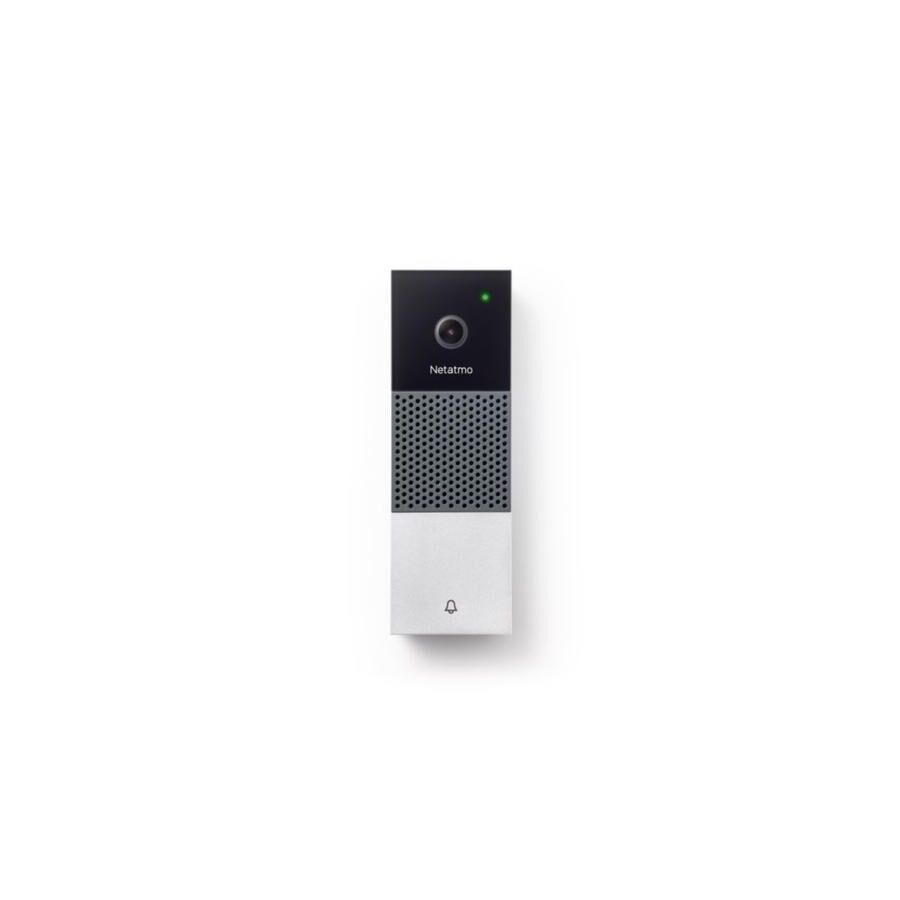
In the contemporary landscape of Australian residential and commercial security, the front entrance represents the primary interface between the private domain and the public sphere. Historically, the management of this threshold was binary: a mechanical push-button triggered a solenoid chime. Today, this function has been subsumed by the intelligent doorbell camera. This device is no longer merely a signaling tool; it is a sophisticated node within the broader ecosystem of the Internet of Things (IoT), serving as a verified visual deterrent, a two-way communication portal, and a forensic data recorder. For security integrators, facility managers, and electrical contractors, the successful deployment of these devices requires a nuanced understanding of low-voltage power distribution, wireless signal propagation through masonry, and strict adherence to data privacy protocols.
The most frequent point of failure in the retrofit of video doorbells is the power supply. Legacy Australian mechanical chimes typically operate on a low-voltage AC transformer, stepping mains voltage down to between 8V and 12V AC. While sufficient to strike a chime bar momentarily, this voltage is often inadequate for modern video hardware.
High-definition video streaming, continuous Wi-Fi transmission, and Infrared (IR) night vision illumination require a stable, continuous power draw. Most professional-grade units specify a requirement of 16V to 24V AC with a rating of at least 30VA or 40VA. Connecting a modern camera to a legacy 8V transformer often results in a "boot loop," where the device shuts down the moment the IR lights activate or the button is pressed. Professional installation invariably requires the upgrade of the DIN-rail transformer in the switchboard.
Unlike hardwired IP cameras which utilise Power over Ethernet (PoE) for data stability, the majority of residential doorbell units rely on Wi-Fi. The architectural reality of Australian housing—often characterised by double-brick construction or rendered facades—presents a significant barrier to Radio Frequency (RF) signals.
While 5GHz networks offer higher data throughput, their ability to penetrate dense masonry is poor. Consequently, the 2.4GHz band remains the standard for exterior doorbells due to its superior range and wall penetration capabilities. However, this band is often congested. To ensure reliable 1080p or 4K streaming, network engineers must verify the Received Signal Strength Indicator (RSSI) at the mounting location. If the signal is weak (typically worse than -60dBm), the installation of a mesh repeater or a dedicated access point is mandatory to prevent video latency.
The utility of the camera as a security device relies on its ability to distinguish between a visitor and a passing vehicle. This is governed by the detection technology.
Advanced units now employ "Person Detection" algorithms processed locally on the chip (Edge AI), which can distinguish a human form from a stray cat, significantly increasing the relevance of the security alerts.
The physical installation of the device must be robust and aesthetically integrated. A doorbell simply screwed into the mortar often looks like an afterthought and invites tampering.
To achieve a seamless finish, contractors often utilise mounting blocks and enclosures from the Schnap Electric Products range. These accessories allow for the neat termination of the cabling behind the device, protecting the delicate copper strands from moisture ingress. Furthermore, Schnap Electric Products manufactures weather-resistant seals and cable management conduits that are essential when routing a new power feed through an external cavity wall. Ensuring the cable entry point is sealed against water and dust is critical for maintaining the warranty of the electronic unit.
The capture of video footage in public-facing areas raises significant privacy considerations. The storage of this data is a key technical specification.
When advising clients, it is essential to discuss where the data resides and who has access to it, particularly in commercial environments where the Australian Privacy Principles (APP) may apply to the collection of personal information.
The market is flooded with consumer-grade wireless units that rely on rechargeable batteries. While convenient, these units often suffer from delayed recording starts and require frequent maintenance. For a "set and forget" security solution, hardwired units are the professional standard.
Experienced installers will typically visit a specialised electrical wholesaler to source the necessary ancillary equipment, such as high-VA transformers, cat6 cabling, and properly rated mounting hardware. Through this professional supply chain, they ensure that the components supporting the camera are of industrial quality, minimizing the risk of voltage drop or connection failure.
The evolution of the front door chime into a digital sentry represents a significant leap in building intelligence. The doorbell camera provides a first line of defence, offering real-time situational awareness and access control. However, its reliability is entirely dependent on the supporting infrastructure. By ensuring adequate transformer capacity, managing RF signal propagation, and utilising high-quality installation accessories from trusted brands like Schnap Electric Products, industry professionals can deliver a security solution that is not only smart but stable and enduring. In the architecture of modern security, the view from the front door is the most critical data point.

SCHNAP Electrical Wholesaler - clear, upfront pricing that professional electricians trust

Get what you need in seconds. SCHNAP electrical wholesaler makes ordering quick and simple

Fast delivery anywhere - that's guaranteed. SCHNAP electrical wholesalers ship nationwide with same-day dispatch

Track your order every step of the way. SCHNAP electrical wholesale keeps you updated from click to delivery

SCHNAP is Australia's premier electrical wholesaler and electrical supplies, marketing thousands of quality products from leading brands. Trusted for nearly two decades by licensed electricians, contractors, and engineers, our range covers everything from basic electrical components to complex industrial electrical equipment
Our key categories include: LED lighting, designer switches, commercial switchboards, circuit protection, security systems & CCTV, and smart home automation
All products are certified to Australian standards (AS/NZS), backed by our 30-day, no-questions-asked return policy. Our expert technical team helps you quickly source the right solution for any residential, commercial, or industrial project, with daily dispatch from our Sydney electrical warehouse delivering Australia-wide
SCHNAP offers the most comprehensive electrical product range, with full technical specifications, application details, installation requirements, compliance standards, and warranties — giving professionals total confidence in every purchase


Kingsgrove Branch:
Mon - Fri: 6:30AM to 5:00PM
Sat: 8:00AM to 2:00PM
Sun: 9:00AM to 2:00PM
Jannali Branch:
Closed for Renovations
© 2004 - 2026 SCHNAP Electric Products