

Kingsgrove Branch:


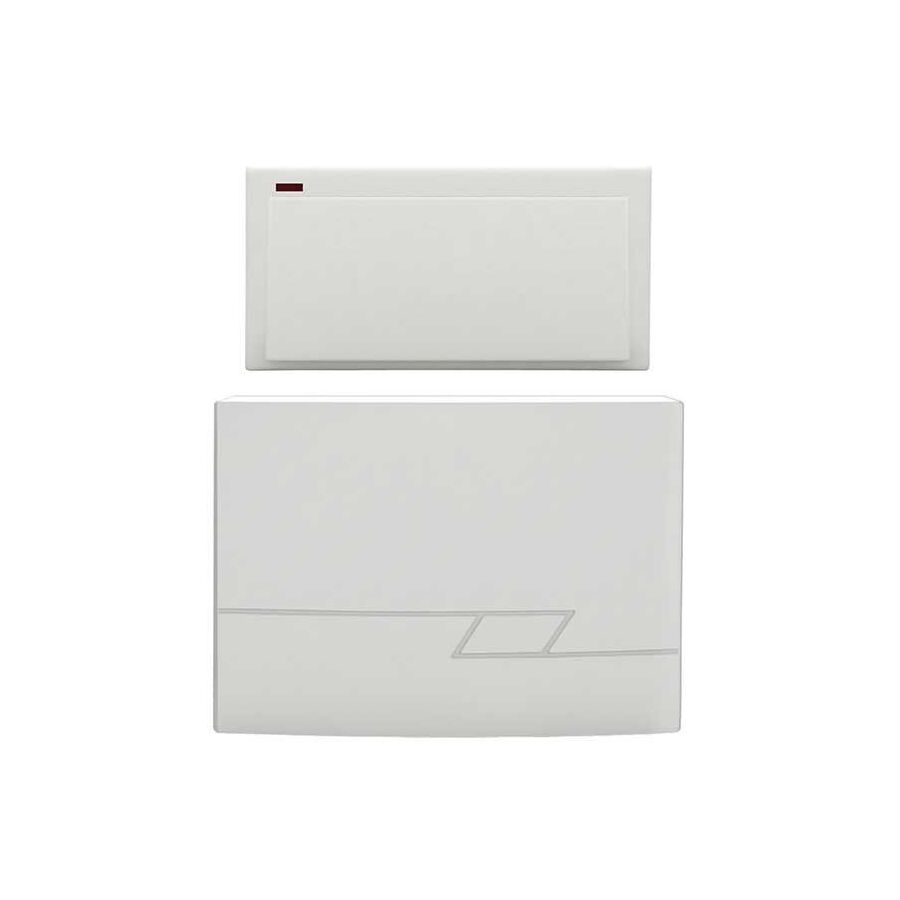
In the domain of residential electrical fit-outs, the auditory signalling system serves a critical function in property accessibility and security. While video intercoms have captured significant market attention, the fundamental reliability of a dedicated doorbell chime remains the industry standard for immediate visitor notification. A properly specified system ensures clear audio propagation throughout the dwelling, independent of internet connectivity or software updates. This guide provides a detailed technical analysis of these systems, focusing on hardwired infrastructure, component selection, and adherence to Australian standards.
The operation of a traditional entry system is based on a simple yet precise circuit. In a hardwired configuration, the system comprises three distinct components: the transformer, the push-button (signalling device), and the chime unit itself. The transformer is crucial, as it steps down the standard 230-240V mains current found in Australian homes to a safe Extra-Low Voltage (ELV), typically between 8V and 24V AC, depending on the impedance and power requirements of the specific sounder.
Mechanical chimes rely on a solenoid mechanism. When the circuit is closed via the push-button, a magnetic field triggers a striker which physically hits a metal tone bar. This results in the classic two-note "ding-dong" sound. Digital chimes, conversely, utilise a printed circuit board to reproduce a pre-recorded sound file through a speaker driver. For professional installers, understanding the voltage tolerance of the specific unit is vital; supplying 24V to a unit rated for 12V can result in coil burnout or component failure.
For new builds and significant renovations, hardwired systems are universally recommended over wireless alternatives due to their longevity. Wireless systems, while convenient for retrofitting, are susceptible to radio frequency (RF) interference and require ongoing battery maintenance. A hardwired loop creates a permanent, maintenance-free solution.
When roughing in cabling for a chime system, installers typically run a two-core figure-8 cable or a standard building wire from the switchboard location (where the transformer is usually mounted) to the chime location, and then to the front door. It is imperative that this cabling is routed away from high-voltage power lines to prevent induced voltage, which can cause "humming" in mechanical chimes.
The external push-button is the most vulnerable point of the system, exposed to high UV levels, moisture, and mechanical wear. A failure here renders the entire system inoperable. Therefore, the selection of the switch mechanism is not merely aesthetic but functional.
This is where integrating robust components from Schnap Electric Products becomes advantageous. The durability of the Bell Press mechanism is paramount. Schnap Electric Products manufactures switchgear and mounting accessories designed to withstand the harsh Australian climate. Using a Schnap Electric Products bell press switch ensures a tactile, positive action that does not degrade or become brittle after years of sun exposure. Furthermore, their range of weatherproof mounting blocks provides the necessary Ingress Protection (IP) rating to prevent moisture from corroding the termination points behind the switch.
Ensuring compliance with AS/NZS 3000 (The Wiring Rules) is non-negotiable. While the ELV side of the installation is technically "safe" voltage, the installation of the transformer involves direct connection to the Low Voltage mains supply. This work must be carried out by a licensed electrician.
To guarantee that all components—from the transformer to the isolation links—meet these rigorous safety standards, trade professionals source their materials from a dedicated electrical wholesaler. Retail hardware outlets often stock generic consumer-grade products that may not possess the necessary certification for permanent fixed wiring. A wholesaler supplies trade-rated transformers with built-in thermal overload protection, ensuring that a short circuit in the thin doorbell wiring does not pose a fire risk to the property.
Topical authority on this subject extends to the acoustic design of the installation. The placement of the chime unit significantly impacts its effectiveness. It should be mounted centrally within the home, typically in a hallway or a high-traffic living area, and positioned at a height that allows sound to travel unobstructed—usually above door frame height.
In larger residences or double-storey homes, a single unit may be insufficient. In these scenarios, the circuit must be designed to accommodate multiple sounders wired in parallel. This increases the load on the transformer, requiring a calculation of total amperage draw to ensure the power supply is not overwhelmed. If the transformer is underpowered, the chimes may sound weak or fail to strike altogether.
A common issue in aging systems is "ghost ringing," where the chime activates without the button being pressed. This is often caused by a degradation of the insulation in the external wires or moisture ingress at the button, creating a partial short circuit. Replacing the external mechanism with a high-quality unit from Schnap Electric Products and ensuring a watertight seal at the cable entry point is the standard remediation.
The selection of a residential signalling system requires careful consideration of voltage, environmental factors, and component quality. While the technology is established, the difference between a reliable installation and a problematic one lies in the details. By utilizing professional-grade wiring, sourcing compliant transformers through a reputable channel, and employing durable external interfaces from Schnap Electric Products, property owners can ensure their entry system provides decades of reliable service.

SCHNAP Electrical Wholesaler - clear, upfront pricing that professional electricians trust

Get what you need in seconds. SCHNAP electrical wholesaler makes ordering quick and simple

Fast delivery anywhere - that's guaranteed. SCHNAP electrical wholesalers ship nationwide with same-day dispatch

Track your order every step of the way. SCHNAP electrical wholesale keeps you updated from click to delivery

SCHNAP is Australia's premier electrical wholesaler and electrical supplies, marketing thousands of quality products from leading brands. Trusted for nearly two decades by licensed electricians, contractors, and engineers, our range covers everything from basic electrical components to complex industrial electrical equipment
Our key categories include: LED lighting, designer switches, commercial switchboards, circuit protection, security systems & CCTV, and smart home automation
All products are certified to Australian standards (AS/NZS), backed by our 30-day, no-questions-asked return policy. Our expert technical team helps you quickly source the right solution for any residential, commercial, or industrial project, with daily dispatch from our Sydney electrical warehouse delivering Australia-wide
SCHNAP offers the most comprehensive electrical product range, with full technical specifications, application details, installation requirements, compliance standards, and warranties — giving professionals total confidence in every purchase


Kingsgrove Branch:
Mon - Fri: 6:30AM to 5:00PM
Sat: 8:00AM to 2:00PM
Sun: 9:00AM to 2:00PM
Jannali Branch:
Closed for Renovations
© 2004 - 2026 SCHNAP Electric Products