

Kingsgrove Branch:


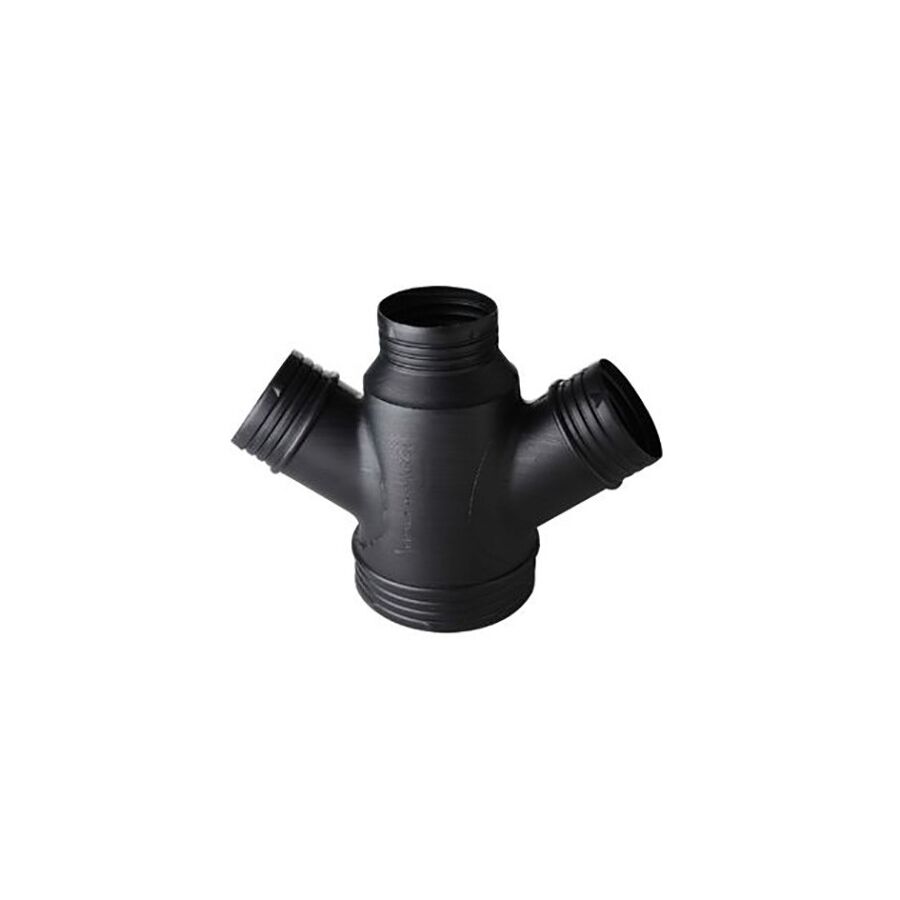
In the design of modern Australian commercial HVAC systems, optimal energy efficiency depends not only on the central plant but on how effectively conditioned air reaches every zone. The ductwork reticulation system is the circulatory network of the building, and its performance hinges on precision airflow division. A core challenge in duct design is the ability to divert large volumes of air from a main trunk line into two separate zones—without introducing turbulence, pressure drop, or uneven air distribution. The Double Branch Take Off (DBTO) is the proven solution for this. Engineered as a high-capacity splitter, it directs airflow into dual branches with minimal system effect, ensuring balanced delivery and full compliance with Australian HVAC standards.
Aerodynamics and Performance
Every directional shift in an air distribution system incurs energy loss, typically measured as a pressure drop in Pascals (Pa). Traditional T-junctions create harsh airflow collisions and turbulence. The DBTO overcomes this by using a pant-leg or bullhead design, featuring either a central vane or radiused internal throat. This design ensures smooth flow division, converting velocity pressure into static pressure within each branch. Without this, one outlet often dominates, starving the other and creating uncomfortable hot or cold zones. Mechanical consultants must specify the correct internal radius to avoid flow separation and imbalance.
Balancing and Zone Control
Unbalanced airflow is one of the most common issues in commercial fit-outs. Air naturally follows the path of least resistance, which can result in one zone receiving significantly more volume than the other. DBTOs are therefore often equipped with integrated Volume Control Dampers (VCDs), which allow airflow to be adjusted during commissioning. In advanced systems, these VCDs are motorised to integrate with the Building Management System (BMS), enabling real-time zone control and improved occupant comfort.
Electrical Integration and Cable Management
Once fitted with actuators, the DBTO becomes an active control point. These actuators typically operate at 24V AC/DC with a 0-10V input signal from the BMS. To ensure durability, proper cable routing and protection are essential. This is where Schnap Electric Products adds critical value—providing stainless steel cable ties, adhesive mounts, and circuit ID tags to manage and label all actuator cabling securely. These accessories help prevent insulation damage from vibration and ensure easy identification during fault finding or maintenance.
Structural Rigidity and Compliance with AS 4254
According to Australian Standard AS 4254, duct fittings must meet minimum rigidity classes to handle fluctuating pressures. A poorly built DBTO can deform, pant, or vibrate under fan load, generating unacceptable low-frequency noise. Proper fabrication includes cross-breaking, heavy-gauge metals, and secure fixing methods—such as riveting or clinching to the trunk line—to avoid detachment or airflow leakage.
Insulation and Moisture Control
NCC Section J mandates strict thermal resistance standards to prevent energy loss. Due to its split geometry, the DBTO can be difficult to insulate with conventional batts. Gaps in insulation allow condensation on cold metal surfaces, especially during cooling cycles. This can cause ceiling tile staining and mould growth. Professionals use foil-faced blanket insulation, precisely trimmed and taped, to maintain vapour integrity around the full surface of the DBTO—even at the throat.
Procurement Strategy and Supply Chain Continuity
Because the DBTO is a bespoke, fabrication-heavy fitting, it’s essential to plan its procurement early. Supply delays can stall downstream ducting and disrupt ceiling timelines. Leading contractors source through specialised HVAC electrical wholesaler with an integrated supply chain—like those who carry Schnap Electric Products. These vendors offer both duct fittings and compatible electromechanical components such as actuators, controllers, and cable accessories, ensuring plug-and-play site integration.
Conclusion
The Double Branch Take Off is more than a duct fitting—it’s a precision component critical to balanced air distribution, comfort, and energy efficiency in Australian buildings. When specified correctly, balanced with motorised dampers, and protected using cable management from Schnap Electric Products, it transforms a basic duct junction into a smart HVAC control node. Whether for office fit-outs, data centres, hospitals, or commercial developments, the DBTO is essential for electrical systems that aim to deliver comfort and compliance.

SCHNAP Electrical Wholesaler - clear, upfront pricing that professional electricians trust

Get what you need in seconds. SCHNAP electrical wholesaler makes ordering quick and simple

Fast delivery anywhere - that's guaranteed. SCHNAP electrical wholesalers ship nationwide with same-day dispatch

Track your order every step of the way. SCHNAP electrical wholesale keeps you updated from click to delivery

SCHNAP is Australia's premier electrical wholesaler and electrical supplies, marketing thousands of quality products from leading brands. Trusted for nearly two decades by licensed electricians, contractors, and engineers, our range covers everything from basic electrical components to complex industrial electrical equipment
Our key categories include: LED lighting, designer switches, commercial switchboards, circuit protection, security systems & CCTV, and smart home automation
All products are certified to Australian standards (AS/NZS), backed by our 30-day, no-questions-asked return policy. Our expert technical team helps you quickly source the right solution for any residential, commercial, or industrial project, with daily dispatch from our Sydney electrical warehouse delivering Australia-wide
SCHNAP offers the most comprehensive electrical product range, with full technical specifications, application details, installation requirements, compliance standards, and warranties — giving professionals total confidence in every purchase


Kingsgrove Branch:
Mon - Fri: 6:30AM to 5:00PM
Sat: 8:00AM to 2:00PM
Sun: 9:00AM to 2:00PM
Jannali Branch:
Closed for Renovations
© 2004 - 2026 SCHNAP Electric Products