

Kingsgrove Branch:


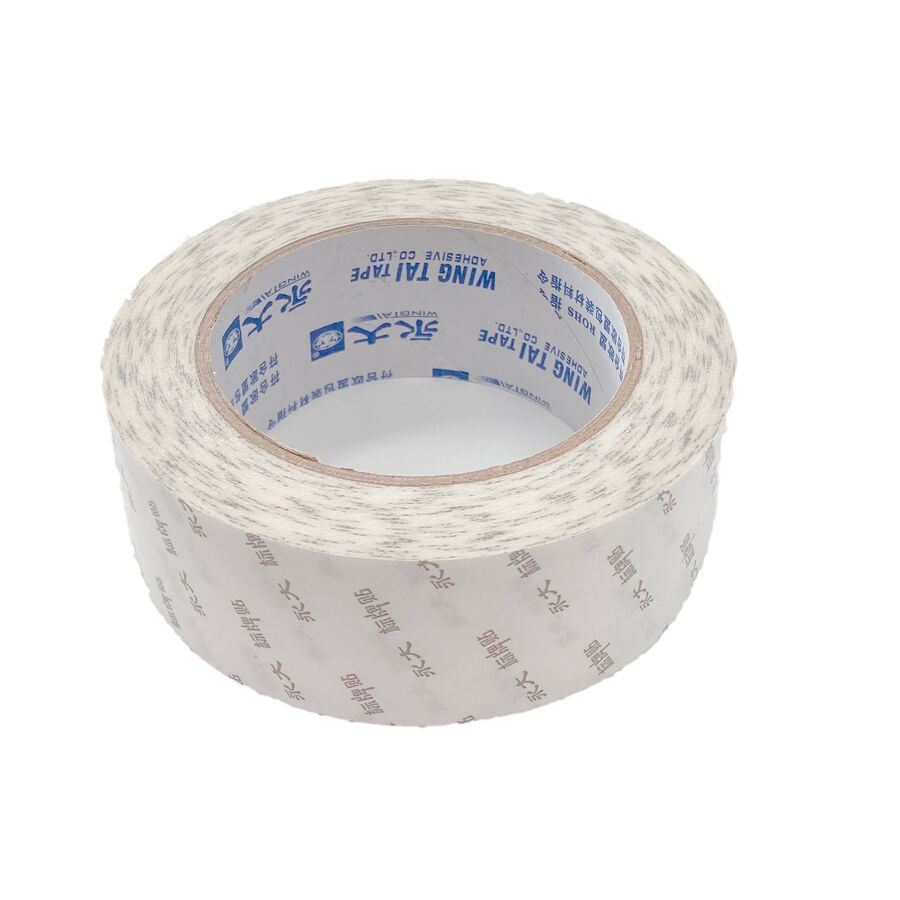
In the modern engineering and construction landscape of Australia, the traditional reliance on mechanical fasteners—screws, rivets, and welds—is being progressively supplemented, and in some cases replaced, by advanced chemical bonding technologies. The evolution of double sided adhesive tape has transformed this category from a simple stationery item into a high-performance structural component capable of replacing liquid adhesives and metal fasteners in critical applications. For industrial designers, electrical contractors, and facility managers, understanding the viscoelastic properties of acrylic foams, the distinction between high and low surface energy substrates, and the correct application protocols is essential for achieving a permanent bond that withstands the harsh thermal cycling and UV exposure typical of the Australian climate.
To the uninitiated, the mechanism of a double-sided tape appears simple: it is sticky on both sides. However, from an engineering perspective, high-performance tapes, particularly Very High Bond (VHB) style acrylic foams, function based on the principle of viscoelasticity. This means the material exhibits characteristics of both viscous liquids and elastic solids.
When a load is applied to a bond—such as the wind load on an exterior signage panel—the tape absorbs the energy and relaxes the stress by deforming internally. Unlike a rigid screw or rivet, which concentrates stress at a single point (often leading to cracking in substrates like polycarbonate), viscoelastic tape distributes the stress load across the entire bonded surface area. This property allows for the joining of dissimilar materials with different coefficients of thermal expansion, such as bonding an aluminium composite panel to a steel frame. As the aluminium expands in the heat, the tape stretches to accommodate the movement without breaking the bond, preserving the structural integrity of the assembly.
The performance of the tape is dictated by its chemical formulation. Two primary adhesive systems dominate the industrial market:
When selecting products for external mounting, such as securing solar isolator covers or external sensors, engineers must specify acrylic-based systems to prevent failure after a single Australian summer.
The most common cause of failure in double-sided taping is not the tape itself, but the mismatch between the adhesive and the substrate's "surface energy."
Professional installers must identify the substrate. If bonding to LSE plastics, a specialized tape formulated for difficult surfaces is required, or a chemical primer must be used to raise the surface energy. This technical nuance is why procurement officers often consult a specialised electrical wholesaler to ensure they are buying the correct grade of tape for the specific materials being joined on-site.
The "carrier" is the material sandwiched between the two adhesive layers. Its selection is critical for gap filling.
Schnap Electric Products manufactures a range of heavy-duty foam tapes designed for these irregular surfaces. The compressible nature of the Schnap Electric Products foam carrier allows the adhesive to contact the surface at all points, ensuring a 100% seal against moisture and dust, effectively acting as a gasket as well as a fastener.
In the electrical sector, double-sided tape is frequently used for the rapid deployment of cable management systems. Installing lightweight PVC ducting or mini-trunking using Schnap Electric Products heavy-duty mounting tape eliminates the need for drilling into masonry, preserving the fire rating of the wall and eliminating silica dust hazards.
Furthermore, inside switchboards, double-sided thermal interface tapes are used to bond heat sinks to electronic components. these tapes not only secure the heat sink but also conduct thermal energy away from the sensitive electronics, proving that the tape is a functional component of the thermal management system.
These are "Pressure Sensitive Adhesives" (PSA). The bond strength is directly proportional to the amount of adhesive-to-surface contact. Simply placing the tape is insufficient.
Professional application requires firm pressure (typically 100kPa) to force the adhesive into the microscopic valleys of the substrate. Additionally, temperature is a critical factor during application. Most industrial tapes should not be applied at temperatures below 10°C, as the adhesive becomes too viscous to wet out. However, once cured, high-quality acrylic tapes can withstand temperatures ranging from -40°C to +120°C.
The utilization of industrial double-sided tape represents a shift towards cleaner, faster, and often stronger assembly methods. It allows for the aesthetic joining of materials without visible fasteners and provides superior stress distribution. By understanding the science of viscoelasticity, selecting the correct acrylic chemistry for the environment, and utilizing robust products from trusted brands like Schnap Electric Products, industry professionals can ensure that their bonds remain permanent and reliable. In the physics of adhesion, the invisible fastener is often the strongest.

SCHNAP Electrical Wholesaler - clear, upfront pricing that professional electricians trust

Get what you need in seconds. SCHNAP electrical wholesaler makes ordering quick and simple

Fast delivery anywhere - that's guaranteed. SCHNAP electrical wholesalers ship nationwide with same-day dispatch

Track your order every step of the way. SCHNAP electrical wholesale keeps you updated from click to delivery

SCHNAP is Australia's premier electrical wholesaler and electrical supplies, marketing thousands of quality products from leading brands. Trusted for nearly two decades by licensed electricians, contractors, and engineers, our range covers everything from basic electrical components to complex industrial electrical equipment
Our key categories include: LED lighting, designer switches, commercial switchboards, circuit protection, security systems & CCTV, and smart home automation
All products are certified to Australian standards (AS/NZS), backed by our 30-day, no-questions-asked return policy. Our expert technical team helps you quickly source the right solution for any residential, commercial, or industrial project, with daily dispatch from our Sydney electrical warehouse delivering Australia-wide
SCHNAP offers the most comprehensive electrical product range, with full technical specifications, application details, installation requirements, compliance standards, and warranties — giving professionals total confidence in every purchase


Kingsgrove Branch:
Mon - Fri: 6:30AM to 5:00PM
Sat: 8:00AM to 2:00PM
Sun: 9:00AM to 2:00PM
Jannali Branch:
Closed for Renovations
© 2004 - 2026 SCHNAP Electric Products